Diabetes: Causes, Types, Signs & Symptoms, Risk Factors, and Management

diabetes causes symptoms and management

Diabetes is one of the fastest-growing chronic health conditions worldwide, affecting millions of people across all age groups. It occurs when the body is unable to properly regulate blood glucose (sugar) levels, either due to insufficient insulin production, ineffective use of insulin, or both. When left unmanaged, diabetic condition can lead to serious complications affecting the heart, kidneys, eyes, nerves, and overall quality of life.

According to the World Health Organization, the condition is a major cause of blindness, kidney failure, heart attacks, stroke, and lower-limb amputation globally . In the UK and many African countries, Type 2 diabetes is increasing rapidly due to lifestyle changes, dietary patterns, physical inactivity, and rising obesity rates.

This comprehensive guide explains what this metabolic condition is, its causes, types, signs and symptoms, risk factors, and most importantly, how it can be effectively managed and prevented.

Diabetes mellitus is a metabolic disorder characterised by persistently high levels of glucose in the blood. Glucose is the body’s main source of energy and comes from the foods we eat, especially carbohydrates. Insulin, a hormone produced by the pancreas, helps move glucose from the bloodstream into the body’s cells where it is used for energy.

When insulin is absent, insufficient, or ineffective, glucose builds up in the blood, leading to hyperglycaemia (high blood sugar). Over time, uncontrolled hyperglycaemia damages blood vessels and organs.

TYPES OF DIABETES

Type 1 Diabetes

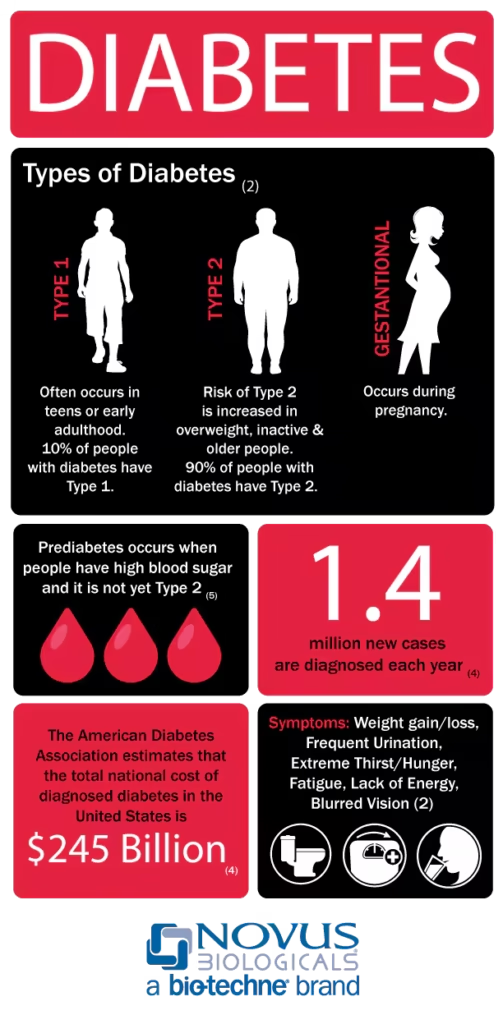
Type 1 diabetes is an autoimmune condition in which the immune system mistakenly attacks and destroys insulin-producing beta cells in the pancreas. As a result, the body produces little or no insulin.

Key features:

  • Often diagnosed in children and young adults

  • Requires lifelong insulin therapy

  • Not caused by lifestyle factors

Although the exact cause is unknown, genetic predisposition and environmental triggers are believed to play a role .

types of diabetes explained

Type 2 Diabetes

Type 2 diabetes is the most common form, accounting for over 90% of the disease cases worldwide. It develops when the body becomes resistant to insulin or when the pancreas cannot produce enough insulin to meet the body’s needs. The World Health Organization reports that diabetic condition is a major global public health concern.

Key features:

  • Strongly linked to overweight, obesity, and physical inactivity

  • More common in adults but increasingly seen in younger people

  • Can often be managed with lifestyle changes, oral medications, and sometimes insulin

In African and Caribbean populations, Type 2 diabetes often develops at a younger age and at lower body weights compared to other populations .

Gestational Diabetes

Gestational diabetes occurs during pregnancy when hormonal changes interfere with insulin action. It usually resolves after childbirth, but it significantly increases the risk of developing Type 2 diabetes later in life for both mother and child.

Other Specific Types

These include:

  • Monogenic diabetes (caused by single gene mutations)

  • Diabetes due to pancreatic disease

  • Drug-induced diabetes (e.g., long-term steroid use)

.

CAUSES OF DIABETES

According to the NHS, high blood sugar is diagnosed using blood tests such as HbA1c and fasting glucose. Diabetes develops due to a combination of genetic, biological, and lifestyle factors.

Biological Causes

  • Insulin deficiency

  • Insulin resistance

  • Autoimmune destruction of pancreatic cells

Lifestyle-Related Causes

  • Diets high in refined carbohydrates and sugary drinks

  • Physical inactivity

  • Excess visceral (belly) fat

  • Chronic stress and poor sleep patterns

SIGNS AND SYMPTOMS OF DIABETES

Many people live with undiagnosed high blood sugar because symptoms may develop gradually, especially in Type 2 diabetes.

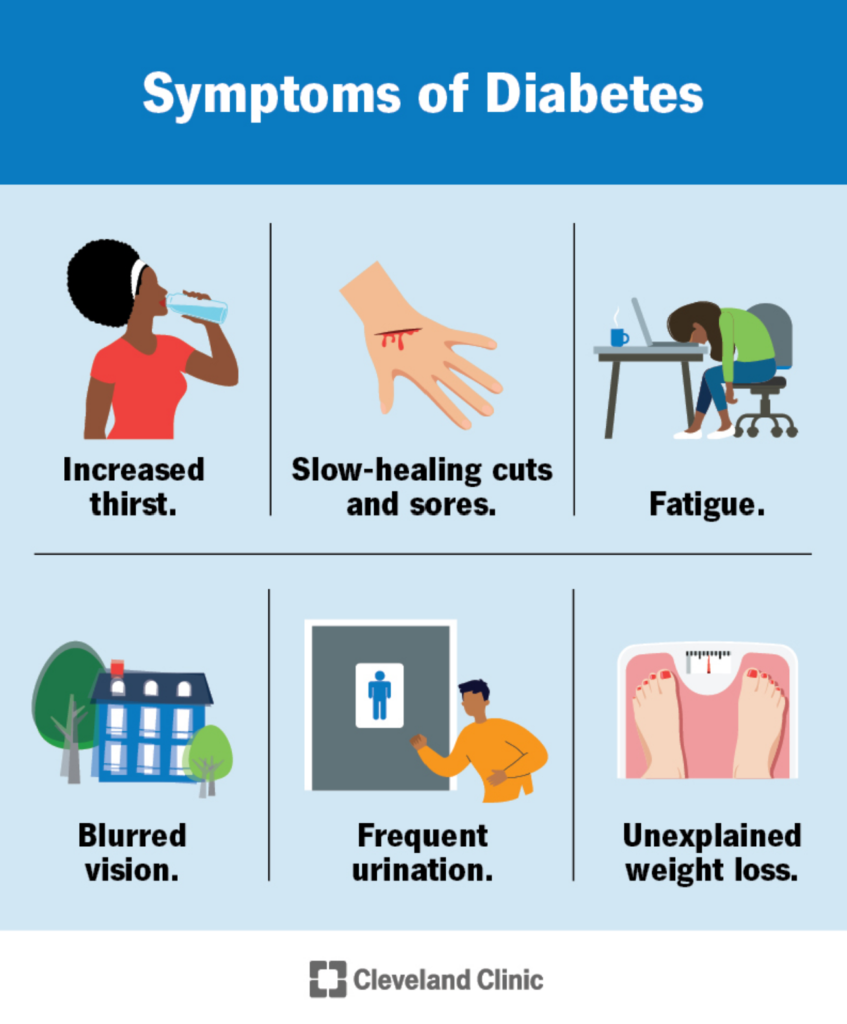
Common Symptoms

  • Frequent urination

  • Excessive thirst

  • Persistent hunger

  • Unexplained weight loss

  • Fatigue and weakness

  • Blurred vision

  • Slow-healing wounds

  • Recurrent infections

Advanced Symptoms

  • Numbness or tingling in hands and feet

  • Erectile dysfunction

  • Darkened skin around the neck or armpits (acanthosis nigricans)

Early diagnosis is crucial to prevent long-term complications .

common symptoms of diabetes

RISK FACTORS FOR DIABETES

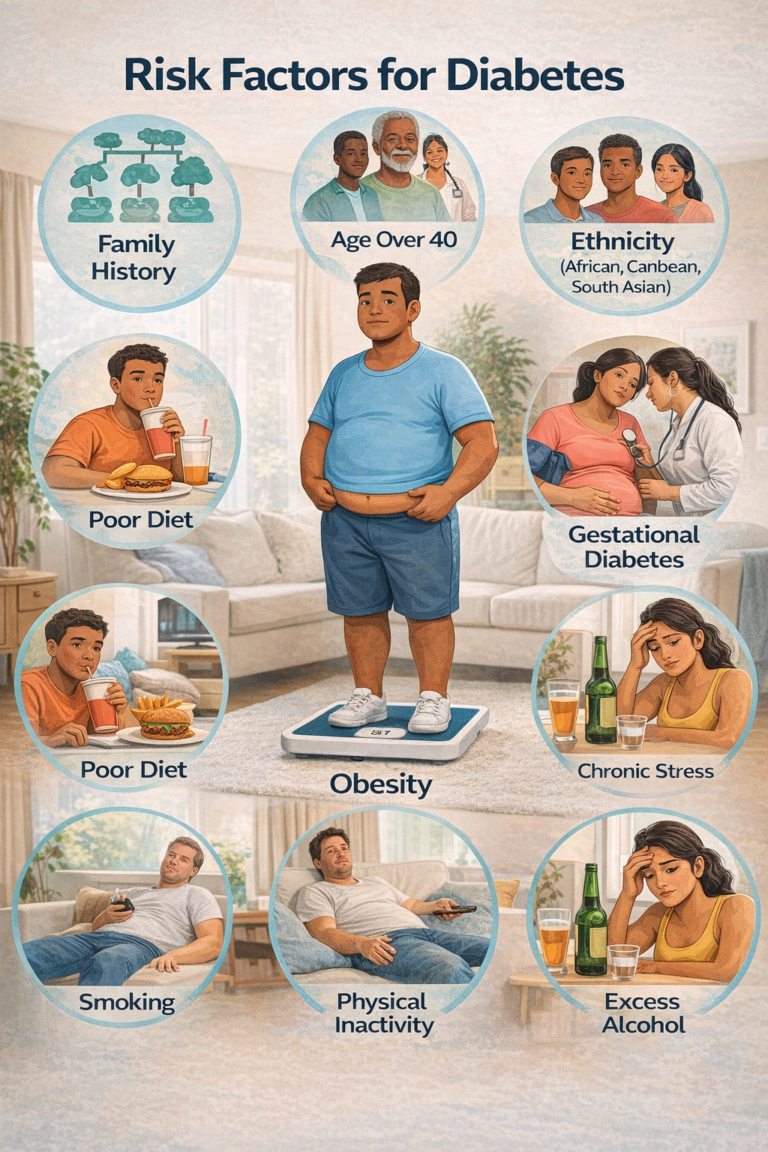
Non-Modifiable Risk Factors

  • Family history of diabetes
  • Age over 35–40 years
  • Ethnicity (African, Caribbean, South Asian descent)

  • History of gestational condition

Modifiable Risk Factors

  • Overweight and obesity

  • Poor diet quality

  • Physical inactivity

  • Smoking

  • Excess alcohol intake

  • Chronic stress

DIAGNOSIS OF DIABETES

Diabetes is diagnosed through blood tests such as:

  • Fasting plasma glucose

  • HbA1c test

  • Oral glucose tolerance test

The NHS recommends regular screening for people with risk factors .

MANAGEMENT AND CONTROL OF DIABETES

Individuals with high blood sugar focuses on maintaining blood glucose levels within a healthy range to prevent complications.

Healthy Nutrition

A balanced diet is central to high blood sugar control:

  • Emphasise whole grains, vegetables, legumes, and lean protein

  • Limit refined sugars and ultra-processed foods

  • Combine carbohydrates with protein and fibre to reduce glucose spikes

👉
Best Nigerian Foods for Managing Diabetes

Physical Activity

Regular movement improves insulin sensitivity:

  • At least 150 minutes of moderate activity weekly

  • Walking, strength training, and flexibility exercises

Weight Management

Even modest weight loss (5–10%) significantly improves blood sugar control in Type 2 diabetes .

Intermittent fasting can also help to reduce weight thereby helping to manage type 2 diabetes

Medications and Insulin

Some individuals require:

  • Oral glucose-lowering medications

  • Injectable therapies

  • Insulin therapy (Type 1 and advanced Type 2)

Medication should always be individualised and supervised by healthcare professionals.

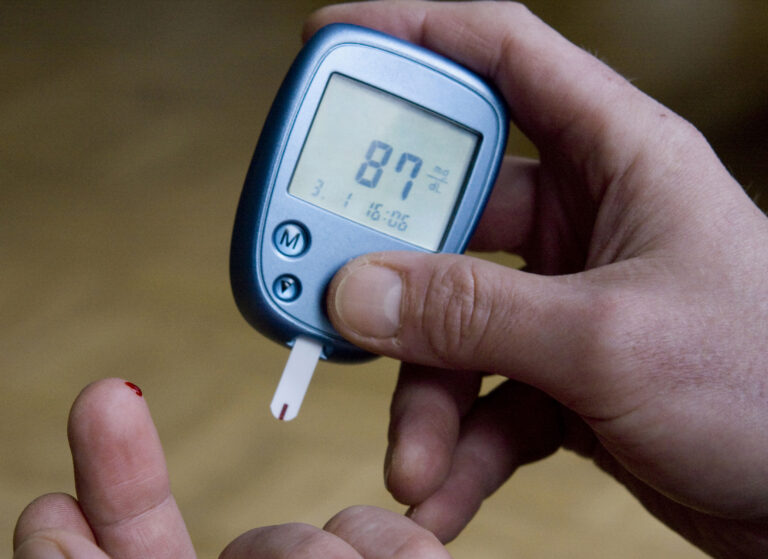
Monitoring Blood Sugar

Self-monitoring helps individuals understand how food, stress, and activity affect glucose levels.

COMPLICATIONS OF UNCONTROLLED DIABETES

Poorly managed diabetes can lead to:

  • Heart disease and stroke

  • Kidney failure

  • Vision loss

  • Nerve damage

  • Foot ulcers and amputations

Early control significantly reduces these risks .

PREVENTION OF TYPE 2 DIABETES

Diabetes UK emphasises lifestyle changes as key to prevention.
Up to 80% of Type 2 diabetes cases are preventable through lifestyle changes:

  • Healthy eating

  • Regular physical activity

  • Maintaining a healthy waist circumference

  • Managing stress and sleep

Diabetes is one of the fastest-growing chronic health conditions worldwide, affecting millions of people across all age groups. Understanding its causes, symptoms, and management options is essential for preventing complications and improving quality of life.

CONCLUSION

Blood sugar disorder is a serious but manageable condition. With early diagnosis, proper education, healthy lifestyle choices, and appropriate medical care, people living with diabetes can lead full, active, and healthy lives. Public awareness, culturally appropriate dietary guidance, and community education—especially within African and Caribbean populations—are essential in reversing the growing diabetes burden.

At VeeVee Health, our goal is to empower you with practical, evidence-based health information that supports long-term wellbeing.

REFERENCES

  • World Health Organization. Diabetes Fact Sheet

  • Centers for Disease Control and Prevention (CDC). Types of Diabetes

  • International Diabetes Federation. Diabetes and Ethnicity

  • NHS UK. Symptoms and Diagnosis of Diabetes

  • Diabetes UK. Weight Management and Diabetes

  • WHO. Diabetes Complications

🧠 Quick Diabetes Knowledge Quiz

Answer the questions below to see how well you understand diabetes.


Share this post

22 thoughts on “Diabetes: Causes, Types, Signs & Symptoms, Risk Factors, and Management”

  1. Pingback: Understanding High Blood Pressure: Causes, Symptoms, and What It Means for Your Health

  2. Pingback: Calories and Weight Gain: What You Should Know for Healthy Living

  3. Diabetes is a serious manageable condition. A balanced diet is central diabetes control to combine carbohydrates with protein and fiber to reduce glucose spikes.

  4. Diabetes is a serious but manageable Condition that requires a lot work and dedication to control and manage properly, but with right mindset and support is possible.

  5. Pingback: 7 Common High-Calorie Foods That Cause Weight Gain You Should Avoid | VeeVee Health

  6. Pingback: 8 Early Signs of Diabetes You Should Not Ignore (Silent Warning Signs)

  7. Pingback: 7 Everyday Habits That Raise Blood Sugar (Even If You’re Not Diabetic)

  8. Pingback: Best Nigerian Foods for Managing High Blood Pressure (10 Healthy options)

  9. Pingback: Top 10 Nigerian Fruits for Diabetes (Local & Blood Sugar Friendly)

Leave a Comment

Your email address will not be published. Required fields are marked *

Scroll to Top