Kidney disease often develops silently, without pain or obvious symptoms in its early stages. Many people only discover there is a problem when the kidneys are already significantly damaged. This is why kidney disease is often referred to as a “silent killer.”
In Nigeria and across African communities, kidney disease is becoming increasingly common—especially among people living with diabetes, high blood pressure, obesity, and metabolic disorders. Unfortunately, early warning signs are frequently ignored or mistaken for minor issues. Many people ignore the early signs of kidney disease because they assume the symptoms are minor or unrelated to kidney health.
Understanding the early signs of kidney disease can make a life-saving difference. When detected early, kidney damage can often be slowed, managed, or even prevented from progressing to kidney failure.
This article explains the early symptoms you should never ignore, who is most at risk, and why conditions like diabetes and high blood pressure place extra strain on the kidneys.
According to the NHS Chronic Kidney Disease guide, chronic kidney disease often has no symptoms in the early stages and may only be detected through routine blood or urine tests, especially if you have high blood pressure, diabetes, or other risk factors.
Table of Contents
ToggleWho Is Most at Risk of Kidney Disease?
Recognising the early signs of kidney disease is especially important for people living with diabetes or high blood pressure. You are at higher risk if you have:
Diabetes
High blood pressure (hypertension)
A family history of kidney disease
Obesity or excess belly fat
Frequent use of painkillers
Exposure to herbal mixtures or unregulated supplements
A history of recurrent infections
In Nigeria, kidney disease is commonly linked to poorly controlled blood pressure, unmanaged diabetes, and late diagnosis. The NHS explains that the most common causes of chronic kidney disease are high blood pressure and diabetes, both of which damage the tiny filtering units of the kidneys over time.
1. Swelling of the Face, Feet, or Ankles
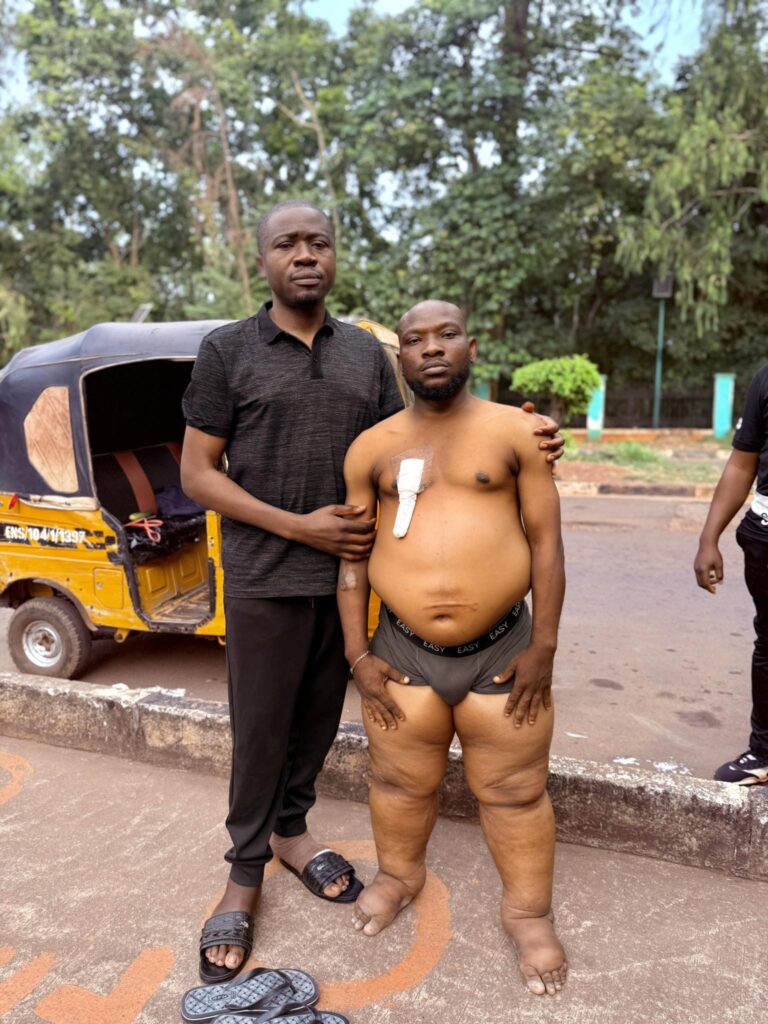
One of the earliest and most noticeable signs of kidney disease is swelling, especially:
Puffy eyes in the morning
Swollen ankles or feet by evening
Tight shoes or rings suddenly not fitting
This happens because damaged kidneys struggle to remove excess fluid from the body.
Swelling is often dismissed as “normal weight gain” or fatigue, but persistent swelling should never be ignored.
2. Changes in Urination
Changes in how often or how much you urinate can be an early warning sign.
Watch out for:
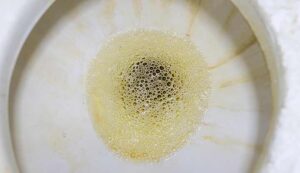
Foamy or bubbly urine
Dark-coloured urine
Blood in urine
Urinating more often at night
Reduced urine output
Foamy urine may indicate protein leakage, a key marker of kidney damage (NHS, 2023).
3. Persistent Fatigue and Weakness
When kidneys are not working properly, waste products build up in the blood. This can lead to:
Constant tiredness
Weakness
Poor concentration
Feeling drained even after rest
Kidney disease can also reduce red blood cell production, causing anaemia, which worsens fatigue.
4. Loss of Appetite and Nausea
Early kidney disease can affect digestion and appetite.
Symptoms may include:
Nausea
Vomiting
Metallic taste in the mouth
Reduced appetite
Many people assume this is due to stress or stomach issues, but it may be linked to toxin buildup in the body.
5. High Blood Pressure That Is Hard to Control
The kidneys play a major role in regulating blood pressure. When kidney function declines:
Blood pressure may rise
Existing hypertension becomes harder to control
Medications may seem less effective
High blood pressure is both a cause and a consequence of kidney disease, creating a dangerous cycle.
6. Shortness of Breath
Kidney disease can cause fluid to build up in the lungs or lead to anaemia, both of which can cause:
Breathlessness
Difficulty breathing on exertion
Feeling winded easily
This symptom is often mistaken for heart or lung problems.
7. Itchy Skin and Dryness
As waste products accumulate in the blood, they can irritate the skin.
Signs include:
Persistent itching
Dry or flaky skin
Skin discolouration
This is more common as kidney disease progresses but can begin early.
Why Diabetes and High Blood Pressure Damage the Kidneys
Diabetes
High blood sugar damages the tiny blood vessels in the kidneys, reducing their filtering ability over time. This condition is known as diabetic nephropathy and is one of the leading causes of kidney failure worldwide (American Diabetes Association, 2024).
High Blood Pressure
Uncontrolled blood pressure puts pressure on kidney blood vessels, causing scarring and loss of function.
Together, diabetes and hypertension account for over two-thirds of chronic kidney disease cases globally.
When Should You Get Checked?
The early signs of kidney disease often appear long before serious kidney failure develops. You should request kidney tests if you:
Have diabetes or high blood pressure
Notice swelling or urine changes
Have persistent fatigue
Use painkillers regularly
Have a family history of kidney disease
Simple tests include:
Urine test (protein, blood)
Blood test (creatinine, eGFR)
Blood pressure measurement
Early testing saves lives.
Final Thoughts
Kidney disease does not happen overnight. It develops slowly, quietly, and often without pain. By the time symptoms become severe, damage may already be advanced.
Learning to recognise the early signs of kidney disease—especially if you live with diabetes or high blood pressure—can protect your health and prevent long-term complications. Paying attention to the early signs of kidney disease can help prevent long-term complications and protect kidney function.
Awareness is the first step. Early action is the second. Both can save lives. According to KidneyCare UK, a diet low in salt and rich in fibre from fruits, vegetables, whole grains, nuts, and pulses helps lower blood pressure and supports kidney health
Kidney disease can help prevent long-term complications and also, protect kidney function. And it also develops quietly, gradually and often without pain.
One should get checked if you have persistent fatigue and also know the type of food you eat
One should also know the type of food you eat
Kidney health matters! Take care of them and they will take care of you.
Kidney health matters! Take care of them and they will take care of you. Help yourself with Water not when you are thirsty and also veggies.
Patronize your health! Let’s spread awareness of our kidney health and take control of our health. @ Veevee health
Pingback: 8 Unhealthy Foods Nigerian Children Eat Today