Cardiovascular Diseases in Nigeria: Causes, Symptoms, Prevention, and Management

Infographic showing the burden of cardiovascular diseases in Nigeria with heart health indicators

Cardiovascular diseases in Nigeria are no longer illnesses of wealthy nations alone. Diseases of the heart and blood vessels have quietly become a major cause of illness, disability, and premature death across the country.

While public attention often focuses on infectious diseases, cardiovascular conditions such as hypertension, stroke, heart failure, and heart attacks are now responsible for a growing proportion of deaths in the country. Many of these deaths are preventable, yet they continue to rise due to a combination of lifestyle changes, economic hardship, and a strained healthcare system.

According to estimates from the World Health Organization (WHO) and the World Heart Federation, cardiovascular diseases account for about 11–13% of all deaths in Nigeria, translating to nearly 190,000 deaths every year. This number continues to rise as risk factors become more widespread.

Cardiovascular diseases (CVDs) — disorders of the heart and blood vessels — are a major and growing public health crisis in Nigeria. Once overshadowed by infectious diseases, CVDs now contribute significantly to deaths and disability, especially among adults aged 30–60 years. Recent data shows that Nigeria experienced an estimated 190,897 deaths from CVD in 2021, making CVDs responsible for about 11% of all deaths in the country.

Globally, CVDs — including heart attacks and strokes — cause nearly 18 million deaths every year, of which low- and middle-income countries like Nigeria are disproportionately affected.

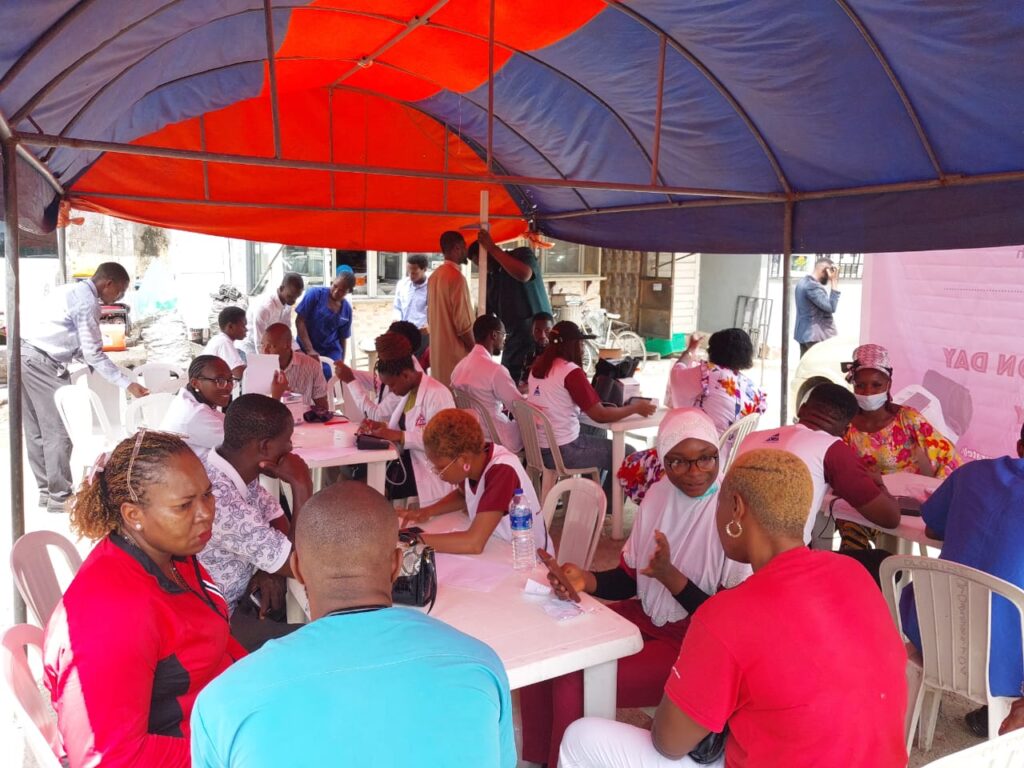
Cardiovascular diseases are a group of conditions that affect the heart and blood vessels. They interfere with normal blood circulation, increasing the risk of life-threatening events.

Common Cardiovascular Diseases in Nigeria Include:

CVDs are conditions affecting the heart and vascular system. The most common forms include:

Among these, hypertension is the most common and most dangerous, often progressing silently for years before complications occur. In Nigeria, these conditions are increasingly common due to changing lifestyles, urbanisation, and rising medical risk factors such as high blood pressure and diabetes.

The Real Situation in Nigeria: What the Data Shows

The burden of cardiovascular disease in Nigeria is severe and often underestimated.

  • About 30–40% of Nigerian adults live with hypertension, according to multiple community-based studies.

  • Less than 10% of people with high blood pressure have it properly controlled, largely due to poor access to care and medication.

  • Stroke is one of the leading causes of adult disability and death in Nigerian hospitals, with uncontrolled blood pressure being the main trigger.

  • Cardiovascular diseases contribute significantly to early deaths in people aged 30–60 years, affecting productivity and family stability.

Unlike many high-income countries where heart disease mostly affects older adults, Nigeria is losing people in their most productive years.

Why Cardiovascular Diseases Are Rising in Nigeria

Addressing cardiovascular diseases in Nigeria requires urgent policy reform, healthcare investment, and nationwide public awareness.

1. Hypertension: The Silent Killer

High blood pressure is the single most important driver of cardiovascular disease in Nigeria. It often causes no symptoms, allowing damage to the heart, brain, and kidneys to occur unnoticed.

Many Nigerians only discover they have hypertension after a stroke or heart failure, when damage is already advanced.

.

2. Healthcare Workforce Crisis (Brain Drain)

One of the most critical but rarely discussed contributors to cardiovascular deaths in Nigeria is the shortage of qualified healthcare professionals.

Over the past decade:

  • Thousands of doctors and nurses have migrated overseas for better wages and working conditions

  • Many public hospitals are severely understaffed

  • Specialist cardiac care is limited to a few urban centres

This results in:

  • Delayed diagnosis of hypertension and heart disease

  • Poor follow-up and monitoring of patients

  • Overworked healthcare workers and reduced quality of care

For chronic diseases like cardiovascular disease, continuity of care is essential — and this gap is costing lives.

3. High Cost of Quality and Nutritious Foods

Another harsh reality is the high cost of healthy food in Nigeria.

Heart-protective foods such as:

  • Beans and legumes

  • Vegetables and fruits

  • Fish, eggs, and milk

have become increasingly unaffordable for many households. As food prices rise, families are forced to depend on:

  • Refined carbohydrates

  • Processed foods high in salt and unhealthy fats

These cheaper options significantly increase the risk of:

Healthy eating in Nigeria is no longer just about knowledge — it is about affordability.

4. Poverty and Poor Preventive Healthcare

A large percentage of Nigerians:

  • Do not undergo routine blood pressure or blood sugar checks

  • Pay for healthcare out-of-pocket

  • Seek medical help only when symptoms become severe

Preventive healthcare is still poorly prioritised, allowing cardiovascular risk factors to progress unchecked.

Symptoms Nigerians Should Never Ignore

Cardiovascular diseases may present suddenly or gradually.

Warning Signs Include:

  • Chest pain or tightness

  • Shortness of breath

  • Severe headaches or dizziness

  • Sudden weakness or numbness on one side of the body

  • Swelling of legs or feet

  • Palpitations or fainting

Any of these symptoms require immediate medical attention.

Management of Cardiovascular Diseases in Nigeria

Management includes:

However, access to consistent care remains unequal, especially in rural communities.

Conclusion: Why the World Must Pay Attention

Cardiovascular diseases in Nigeria are not just a health issue — they are a development, economic, and social justice issue.

People are dying not only because of unhealthy lifestyles, but because:

  • Healthcare systems are overstretched

  • Skilled professionals are leaving

  • Healthy food is increasingly unaffordable

  • Preventive care is neglected

Cardiovascular diseases in Nigeria are a public health emergency. Behind every statistic are families affected by premature deaths, disabilities, and economic hardship. Urgent action is needed to:
⚡ Improve early detection
⚡ Expand access to affordable healthcare
⚡ Strengthen preventive policies
⚡ Promote healthy living environments

Understanding and addressing the root causes — from healthcare shortages to food access — is key to turning the tide against cardiovascular diseases in Nigeria.

Without urgent action, cardiovascular disease will continue to silently devastate Nigerian families.

Awareness, policy change, healthcare investment, and community education are no longer optional — they are lifesaving necessities.

References

  • World Health Organization (WHO)

  • World Heart Federation

  • Nigerian Hypertension Society

  • Federal Ministry of Health Nigeria

  • Peer-reviewed studies on cardiovascular disease in Nigeria (PubMed / PMC)

❓ Frequently Asked Questions

Q1: How common are cardiovascular diseases in Nigeria?

Q1: How common are cardiovascular diseases in Nigeria? Cardiovascular diseases account for about 11% of all deaths in Nigeria, with hypertension affecting roughly 30–40% of adults.

Q2: What is the leading cause of heart disease in Nigeria?

Uncontrolled high blood pressure is the leading cause of cardiovascular disease in Nigeria.

Q3: Can cardiovascular diseases be prevented?

Yes. Regular screening, healthy diet, physical activity, stress control, and medication adherence can prevent most cases.

Q4: Why are young Nigerians affected by heart disease?

Poor diet, stress, untreated hypertension, obesity, and limited preventive healthcare contribute to early cardiovascular disease.
Share this post

5 thoughts on “Cardiovascular Diseases in Nigeria: Causes, Symptoms, Prevention, and Management”

  1. Young people in Nigeria are affected due to poor diet, obesity, untreated hypertension, and limited preventive healthcare contribute to early cardiovascular disease.

  2. People are dying not only because of unhealthy lifestyle but because of skilled professionals are leaving, preventive care is also neglected

  3. Awareness about Cardiovascular disease and diabetes is crucial let ‘s spread the word.Thanks for sharing @ Veevee health

Leave a Comment

Your email address will not be published. Required fields are marked *

Scroll to Top