Cancer: Causes, Symptoms, Prevention, and Management

Cancer prevention and intermittent fasting lifestyle concept with healthy foods and wellness background

Cancer prevention begins with understanding what cancer is, its causes, early symptoms, and how lifestyle choices—including intermittent fasting—can reduce your risk.

According to the World Health Organization, cancer is responsible for nearly 10 million deaths annually, making it a major global public health concern.

In Nigeria and many African countries, late diagnosis, limited access to care, and low awareness contribute to high cancer mortality rates. This article explains what cancer is, its causes, symptoms, prevention strategies, and management options—in simple, practical terms.

Cancer is not just one disease—it is a group of more than 100 diseases characterized by uncontrolled cell growth. These abnormal cells can invade nearby tissues and spread to distant organs (a process called metastasis).

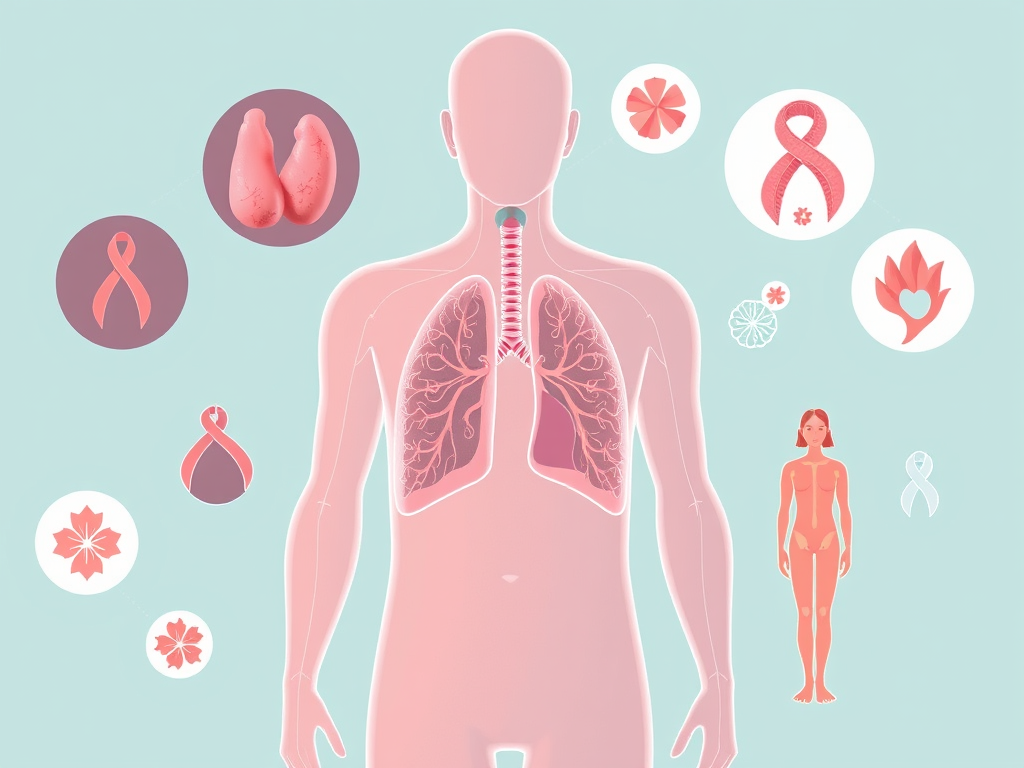
Cancer can affect almost any part of the body, including the breast, prostate, cervix, lungs, liver, colon, blood, and skin.

Common types of cancer include:

  • Breast cancer

  • Prostate cancer

  • Cervical cancer

  • Lung cancer

  • Liver cancer

  • Colorectal cancer

  • Leukemia

Common Causes and Risk Factors of Cancer

Cancer usually develops due to a combination of genetic, environmental, and lifestyle factors.

1. Unhealthy Diet

Highly processed foods, sugary drinks, excessive red meat, and low fruit/vegetable intake increase cancer risk.

2. Tobacco Use

Smoking and smokeless tobacco are among the biggest preventable causes of cancer, especially lung, throat, and mouth cancers.

3. Alcohol Consumption

Regular alcohol intake raises the risk of liver, breast, and colorectal cancers.

4. Physical Inactivity & Obesity

Being overweight and sedentary increases inflammation and hormone imbalance, both linked to cancer development.

5. Infections

Certain infections (like HPV and hepatitis) can trigger cancers of the cervix and liver.

6. Environmental Exposure

Pollution, chemicals, radiation, and unsafe workplaces can contribute to cancer risk.

Early Signs and Symptoms of Cancer You Should Never Ignore

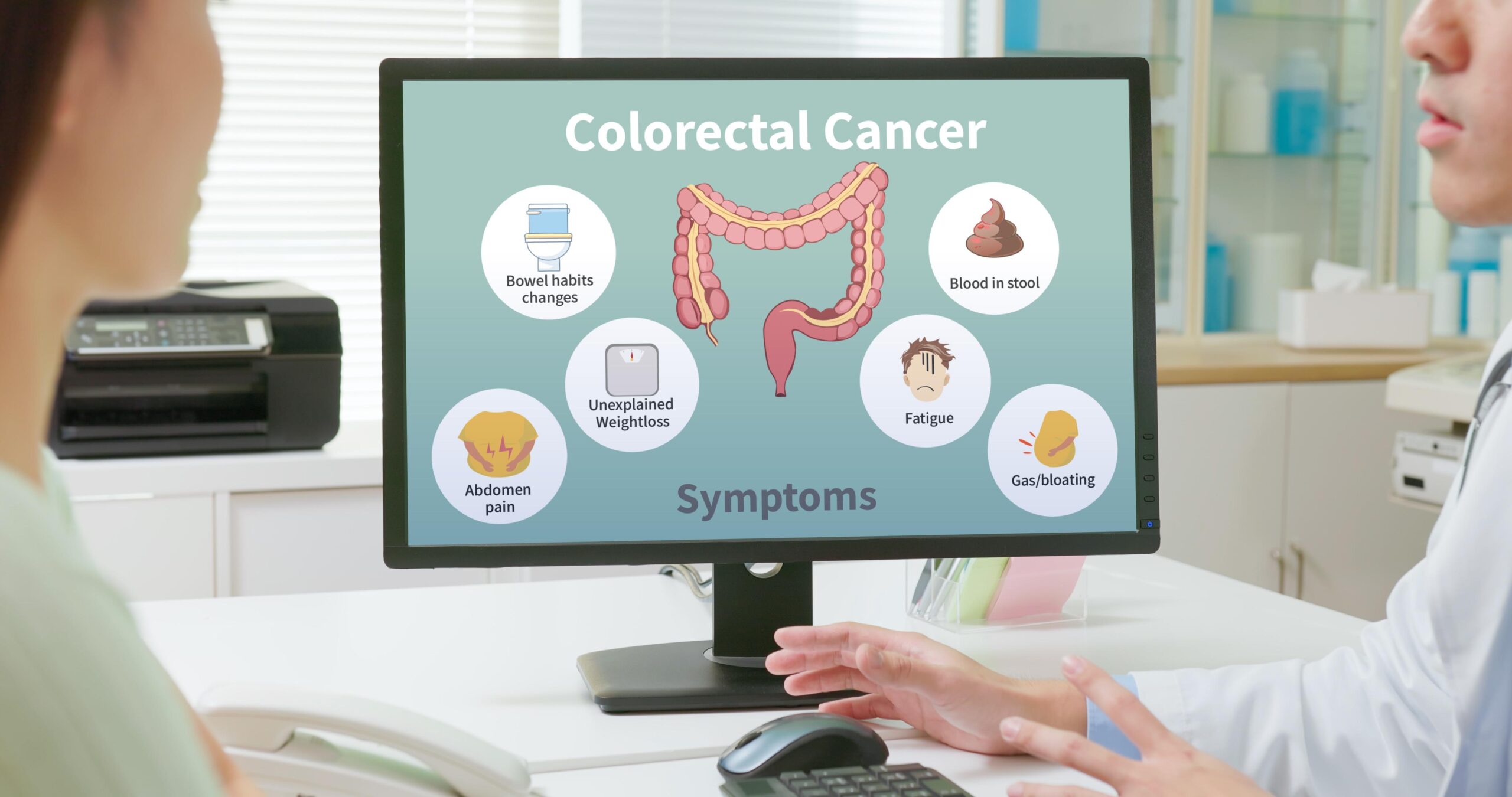
Cancer symptoms vary depending on type, but common warning signs include:

  • Unexplained weight loss

  • Persistent fatigue

  • Lumps or swelling

  • Changes in bowel or bladder habits

  • Persistent cough or hoarseness

  • Unusual bleeding or discharge

  • Non-healing sores

  • Ongoing pain

⚠️ Important: These symptoms don’t always mean cancer—but they should never be ignored.

Early medical attention saves lives.

How Cancer Is Diagnosed

Doctors may use:

  • Physical examination

  • Blood tests

  • Imaging (X-ray, ultrasound, CT scan, MRI)

  • Biopsy (taking a tissue sample)

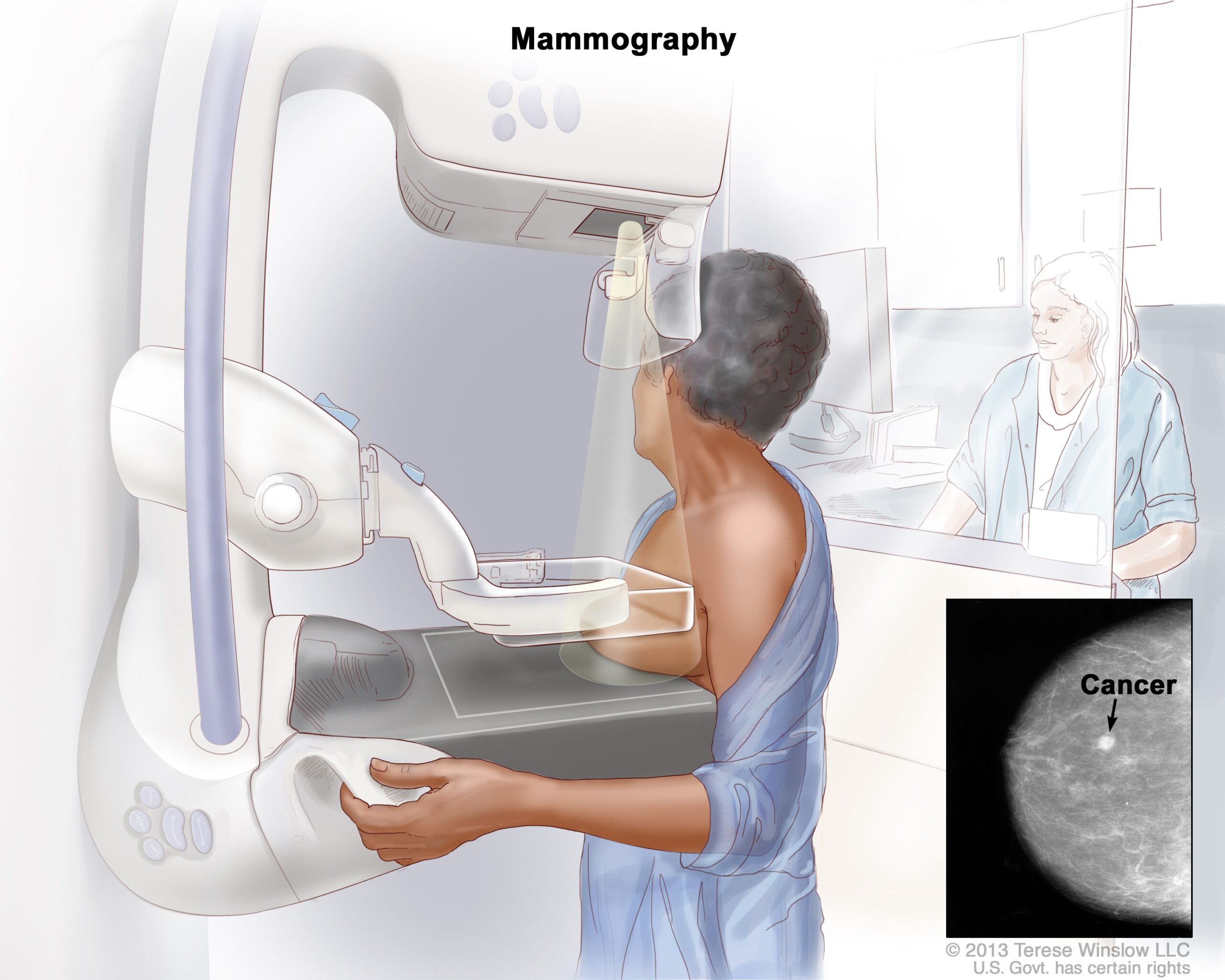
Screening tests like breast exams, Pap smears, prostate checks, and colon screening help detect cancer early—often before symptoms appear.

Cancer Treatment Options

Treatment depends on cancer type and stage and may include:

🔹 Surgery

Removing tumors or affected tissues.

🔹 Chemotherapy

Using drugs to kill cancer cells.

🔹 Radiation Therapy

Using high-energy rays to destroy cancer cells.

🔹 Immunotherapy

Helping the immune system fight cancer.

🔹 Supportive Care

Managing pain, nutrition, and emotional health.

Many patients benefit from combining medical treatment with lifestyle support such as nutrition therapy, stress management, and physical activity.

Cancer Prevention: Can Cancer Be Prevented Naturally?

Focus on vegetables, fruits, whole grains, beans, fish, and healthy fats.

✅ Maintain a Healthy Weight

Obesity increases risk for many cancers.

✅ Exercise Regularly

Even 30 minutes daily reduces risk.

✅ Avoid Tobacco

Smoking is responsible for multiple cancers.

✅ Limit Alcohol

If you drink, do so moderately.

✅ Get Screened

Early detection saves lives.

✅ Protect Against Infections

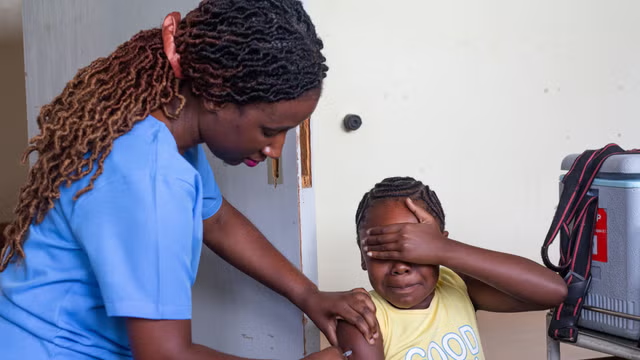
Vaccination and safe practices reduce cancer risk.

Intermittent Fasting and Cancer Prevention (Emerging Evidence)

Intermittent fasting is an eating pattern that alternates between periods of eating and fasting (such as 16:8 or 14:10). While it is not a cure for cancer, growing research suggests it may help reduce cancer risk when combined with a healthy lifestyle.

Here’s how intermittent fasting may support cancer prevention:

🔹 Improves Insulin Sensitivity

High insulin levels are linked to increased cancer risk. Fasting periods help lower insulin and blood sugar levels, creating a less favorable environment for cancer cell growth.

🔹 Supports Cellular Repair (Autophagy)

During fasting, the body activates autophagy—a natural cleanup process where damaged cells are removed and recycled. This may help reduce abnormal cell buildup.

🔹 Reduces Chronic Inflammation

Chronic inflammation is a known contributor to cancer development. Intermittent fasting may help lower inflammatory markers in the body.

🔹 Helps With Weight Management

Obesity is a major risk factor for several cancers (including breast, colon, and liver cancer). Intermittent fasting can support healthy weight loss and metabolic balance.

🔹 Encourages Healthier Eating Patterns

People who practice intermittent fasting often become more mindful of food choices—favoring whole foods over ultra-processed meals, which further lowers cancer risk.

⚠️ Important: Intermittent fasting is not suitable for everyone, especially pregnant women, people with eating disorders, or those on certain medications. Always consult a healthcare professional before starting.

Intermittent fasting is becoming an important lifestyle tool for cancer prevention, especially when combined with healthy nutrition and physical activity.

Learn more about diabetes, its causes, symptoms, and management here:
👉Early Signs of Diabetes You Should Not Ignore

Living With Cancer: Emotional & Mental Health Matters

Cancer affects not only the body but also the mind and family life.

Many patients struggle with anxiety, depression, fear, and financial stress. Emotional support, counseling, spiritual care, and community encouragement play a major role in recovery and quality of life.

Never walk the journey alone.

Cancer Awareness in Nigeria: Why Education Is Critical

In Nigeria, many people still believe cancer is spiritual or untreatable. This misconception leads to late hospital presentation and preventable deaths.

Public health education, community screening programs, and accessible care are urgently needed. Awareness campaigns like World Cancer Day help remind us that early action saves lives.

Final Thoughts

Cancer is serious—but it is not always a death sentence.

With early detection, proper treatment, and healthy lifestyle choices, many people live long, fulfilling lives after cancer diagnosis.

Your health matters. Your life matters. Cancer prevention starts with everyday habits—healthy eating, movement, screenings, stress control, and informed lifestyle choices.

If you notice unusual symptoms, seek medical care early. Prevention starts with everyday choices.

Frequently Asked Questions About Cancer

1. What is cancer?

Cancer is a group of diseases where abnormal cells grow uncontrollably and may spread to other parts of the body. Early detection greatly improves treatment outcomes.

2. What are the early signs of cancer?

Common early signs include unexplained weight loss, persistent fatigue, lumps, changes in bowel habits, unusual bleeding, chronic cough, and pain that doesn’t go away.

3. Can cancer be prevented?

Not all cancers can be prevented, but many risks can be reduced through healthy eating, regular exercise, avoiding tobacco, limiting alcohol, maintaining a healthy weight, and routine screening. Cancer prevention includes healthy eating, regular exercise, avoiding tobacco, limiting alcohol, maintaining a healthy weight, and routine screening.

4. Does intermittent fasting help prevent cancer?

Intermittent fasting may help lower cancer risk by improving insulin sensitivity, reducing inflammation, supporting cellular repair (autophagy), and aiding weight management. It works best when combined with healthy nutrition and lifestyle habits.

5. Is cancer hereditary?

Some cancers run in families due to genetic factors, but most cancers are linked to lifestyle and environmental exposures.

7. What treatments are available for cancer?

Treatment options include surgery, chemotherapy, radiation therapy, immunotherapy, and supportive care. The approach depends on cancer type and stage..

8. Can lifestyle changes improve cancer outcomes?

Yes. Eating nutritious foods, staying active, managing stress, maintaining a healthy weight, and getting emotional support can improve quality of life during and after treatment.

9. Is cancer always fatal?

No. Many people survive cancer, especially when detected early. Advances in treatment continue to improve survival rates worldwide.

10. When should I see a doctor?

If you notice persistent or unusual symptoms, seek medical care immediately. Early action saves lives.
Share this post

7 thoughts on “Cancer: Causes, Symptoms, Prevention, and Management”

  1. Cancer might be Multifaceted but what we do know is that prevention and early detection are key to saving lives, so let’s spread awareness and support each other in making healthy choices.

  2. Unexplained weight lose is one of many things that can be related to cancer and getting checked out is the best thing to do for peace of mind.

  3. Unexplained weight lose is one of the the many things that can be related to caner and getting Checked out is the best thing to do for peace of mind.

Leave a Comment

Your email address will not be published. Required fields are marked *

Scroll to Top