
5 Types of High Blood Pressure You Should Know and What They Mean for Your Health

Types of High Blood Pressure

High blood pressure, also called hypertension, affects millions of people around the world. Many individuals live with this condition without realizing it because symptoms may not appear until serious complications develop.

Understanding the types of high blood pressure is extremely important for prevention, diagnosis, and treatment. Different types of high blood pressure develop in different ways, and each type may require a different approach to management. If you are new to the topic, you can first read our detailed guide on what high blood pressure is and how it affects the body.

In this article, we will explore the five major types of high blood pressure, what causes them, and why understanding the types of high blood pressure can help protect your heart and overall health.

One of the most common types of high blood pressure is primary hypertension, also known as essential hypertension.

Primary hypertension accounts for about 90–95% of all types of high blood pressure cases. This form of hypertension develops gradually over time and usually does not have a single identifiable cause.

Instead, this type of high blood pressure develops due to a combination of lifestyle and genetic factors.

Common contributors to this type of high blood pressure include:

  • High salt consumption

  • Excess body weight or obesity

  • Lack of physical activity

  • Chronic stress

  • Family history of hypertension

  • Aging

Because this type of high blood pressure develops slowly, many people may live with it for years without symptoms.

Related Post: High Blood Pressure: Causes, Signs and Symptoms, and Management in 2026

2. Secondary Hypertension

Secondary hypertension occurs when high blood pressure is caused by another underlying medical condition. Unlike primary hypertension, this type usually appears suddenly and can cause significantly higher blood pressure levels.

Some common causes of secondary hypertension include:

  • Kidney disease

  • Thyroid disorders

  • Hormonal imbalances

  • Obstructive sleep apnea

  • Certain medications (such as birth control pills, steroids, or decongestants)

  • Adrenal gland disorders

Treating the underlying condition often helps bring blood pressure back under control.

People diagnosed with sudden or severe hypertension may undergo additional medical tests to identify possible secondary causes.

External reference:
WHO information on hypertension
https://www.who.int/news-room/fact-sheets/detail/hypertension

3. White Coat Hypertension

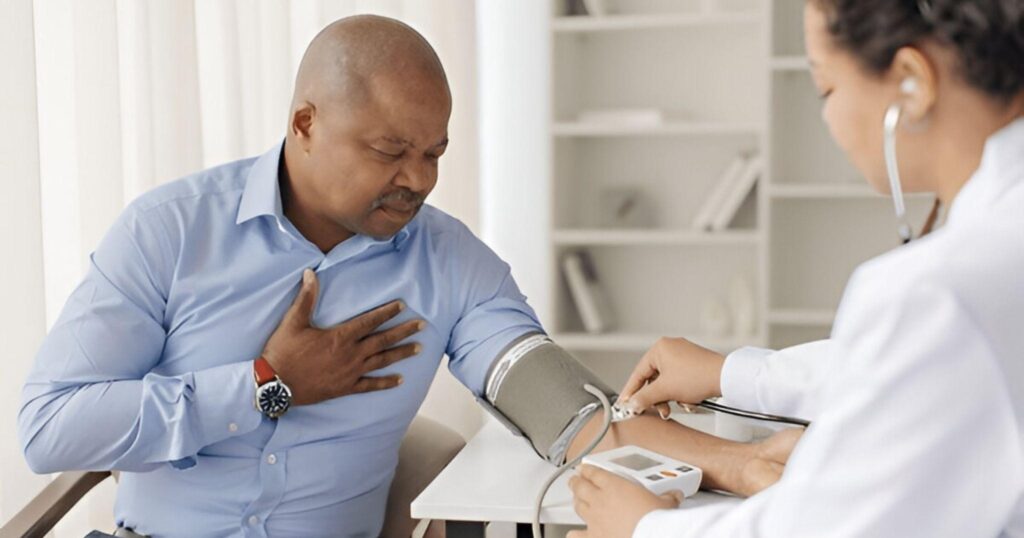
White coat hypertension refers to a situation where a person’s blood pressure readings are higher in a clinical setting but normal at home.

The term “white coat” refers to healthcare professionals wearing white coats, which may cause anxiety in some patients. This anxiety can temporarily increase blood pressure levels during medical visits.

Although white coat hypertension may seem harmless, studies suggest that people with this condition may have a higher risk of developing true hypertension later in life.

Doctors may recommend:

  • Home blood pressure monitoring

  • Ambulatory blood pressure monitoring (24-hour monitoring device)

  • Lifestyle modifications

4. Masked Hypertension

Masked hypertension is the opposite of white coat hypertension.

In this condition, a person’s blood pressure readings appear normal in a medical office but elevated in everyday life situations such as at home, at work, or during stressful activities.

This type of hypertension can be particularly dangerous because it often goes undetected.

Risk factors associated with masked hypertension include:

  • Smoking

  • High alcohol consumption

  • Stressful work environments

  • Lack of physical activity

  • Early cardiovascular disease

Doctors often recommend home blood pressure monitoring to identify masked hypertension.

Learn about natural ways to help manage blood pressure

5. Malignant Hypertension (Hypertensive Crisis)

Malignant hypertension, also known as hypertensive crisis, is a rare but extremely serious form of high blood pressure.

In this condition, blood pressure rises rapidly to 180/120 mmHg or higher, which can cause damage to vital organs including the brain, heart, kidneys, and eyes.

Symptoms may include:

  • Severe headaches

  • Chest pain

  • Blurred vision

  • Shortness of breath

  • Nausea

  • Confusion

Malignant hypertension requires immediate medical attention and emergency treatment to prevent life-threatening complications such as stroke or heart attack.

External resources:

NHS guide on high blood pressure:
https://www.nhs.uk/conditions/high-blood-pressure-hypertension/

CDC hypertension information:
https://www.cdc.gov/bloodpressure

Why Understanding the Types of High Blood Pressure Matters

Understanding the types of high blood pressure can help individuals and healthcare providers identify the underlying causes and choose the best treatment approach.

Different types of hypertension require different management strategies:

  • Lifestyle changes for primary hypertension

  • Treating underlying diseases for secondary hypertension

  • Monitoring and stress management for white coat hypertension

  • Home monitoring for masked hypertension

  • Emergency care for malignant hypertension

Because hypertension often develops silently, regular blood pressure monitoring remains one of the most effective ways to detect the condition early and prevent complications.

Final Thoughts

High blood pressure is a major global health concern, but understanding the types of high blood pressure can help people take control of their health.

Whether it develops gradually over time or appears suddenly due to another condition, hypertension should never be ignored. Early detection, healthy lifestyle choices, and regular monitoring can significantly reduce the risk of heart disease, stroke, and other serious health problems.

If you are concerned about your blood pressure levels, consider speaking with a healthcare professional and checking your blood pressure regularly.

Share this post

Leave a Comment

Your email address will not be published. Required fields are marked *

Scroll to Top