



Cervical cancer is a serious health condition affecting many women worldwide, and it remains a growing concern in countries like Nigeria where access to screening is still limited. Many women are unaware of early warning signs, which often leads to late diagnosis and poorer outcomes.
Understanding this condition, including its symptoms, causes, and prevention, can help individuals take early action and protect their health.
According to the World Health Organization, this disease is one of the most preventable cancers when early screening and vaccination are available.
Table of Contents
ToggleWhat Is Cervical Cancer?
This disease develops in the cervix, the lower part of the uterus that connects to the vagina. It begins when abnormal cells grow uncontrollably and may spread to nearby tissues or other parts of the body.
In most cases, it is linked to a long-term infection with the human papillomavirus (HPV), a common virus transmitted through sexual contact.
According to the World Health Organization, it is one of the most preventable forms of cancer when detected early.
How Common Is Cervical Cancer?
Cervical cancer remains a significant health burden globally and especially in low- and middle-income countries.
- Over 660,000 new cases are recorded globally each year
- It is one of the top cancers affecting women in Africa
- In Nigeria, cervical cancer is among the leading causes of cancer deaths in women
Late diagnosis is a major challenge, particularly in developing countries.
Cervical Cancer in Nigeria
Early stages may not show obvious symptoms, which makes regular screening important. As the condition progresses, the following signs may appear:
- Unusual vaginal bleeding (between periods, after sex, or after menopause)
- Abnormal vaginal discharge (watery, bloody, or foul-smelling)
- Pelvic pain
- Pain during sexual intercourse
- Heavy or prolonged menstrual periods
- Lower back pain
- Fatigue
Any of these symptoms should be taken seriously and evaluated by a healthcare professional.
Causes
The primary cause is persistent infection with high-risk strains of HPV.
Other contributing factors include:
- Early sexual activity
- Multiple sexual partners
- Weakened immune system
- Smoking
- Long-term hormonal contraceptive use
While HPV infection is common, only a small number of cases progress to this disease.
Risk Factors
Certain factors increase the likelihood of developing cervical cancer:
1. HPV Infection
The most significant risk factor.
2. Lack of Screening
Women who do not undergo regular screening are at higher risk.
3. Weakened Immune System
Conditions like HIV increase vulnerability.
4. Smoking
Tobacco use increases the risk of cervical cancer.
5. Socioeconomic Factors
Limited access to healthcare contributes to late diagnosis.
According to Cancer Research UK, HPV infection is responsible for the majority of cases worldwide.
Signs and Symptoms
In the early stages, cervical cancer may not cause noticeable symptoms. As it progresses, symptoms may include:
- Abnormal vaginal bleeding (between periods, after sex, or after menopause)
- Unusual vaginal discharge
- Pelvic pain
- Pain during sexual intercourse
- Heavy or prolonged menstrual periods
- Lower back pain
- Fatigue
These symptoms should not be ignored, as early detection is crucial.
The NHS explains that early symptoms may not be obvious, which is why regular screening is essential.
How It Is Diagnosed
Diagnosis involves several tests:
- Pap smear test – detects abnormal cells
- HPV test – identifies virus presence
- Pelvic examination
- Biopsy – confirms cancer
Regular screening helps detect changes before they become cancerous.
The American Cancer Society notes that early detection significantly improves treatment outcomes and survival rates.
Stages of the Disease
Cervical cancer is classified into stages:
- Stage 1: Cancer confined to the cervix
- Stage 2: Spread to nearby tissues
- Stage 3: Spread to lower vagina or pelvic wall
- Stage 4: Spread to other organs
Early-stage cervical cancer is easier to treat.
Watch this Video on Cancer
Treatment Options for Cervical Cancer
Treatment depends on the stage and severity:
- Surgery
- Radiotherapy
- Chemotherapy
- Targeted therapy
Early treatment significantly improves survival rates.
Prevention of Cervical Cancer
Key prevention strategies:
✔ HPV vaccination
✔ Regular Pap smear screening
✔ Safe sexual practices
✔ Avoid smoking
✔ Early treatment of infections
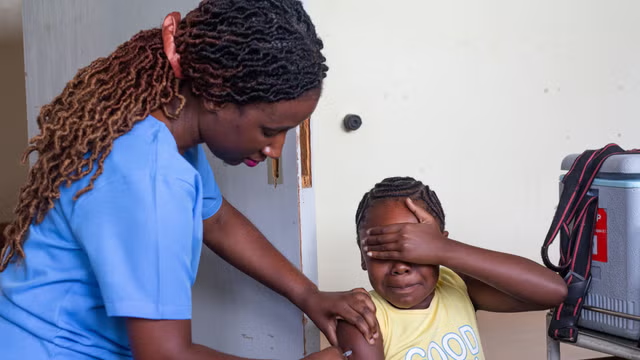
Vaccination is especially effective when given before exposure to HPV.
Key Takeaways
- Cervical cancer is preventable with early detection and vaccination
- Cervical cancer in Nigeria is often diagnosed late
- HPV infection is the main cause
- Regular screening saves lives
- Awareness is key to reducing mortality
Final Thoughts
Cervical cancer should not be a death sentence. With increased awareness, access to screening, and vaccination, many cases can be prevented. Educating women about this condition
in Nigeria is a critical step toward improving health outcomes and saving lives.
👉 Visit VeeVeeHealth.com for more health education and prevention tips.
-
Cervical Cancer: Signs and Symptoms, Causes, Risk Factors, and Prevention -
Breast Cancer: Symptoms, Causes, Risk Factors, and Prevention -
Common Types of Cancer You Should Know About -
Colorectal Cancer: Causes, Symptoms, Prevention, and What You Must Know to Protect Your Gut Health -
Prostate Cancer in Nigeria: Causes, Symptoms, Prevention, Treatment & Natural Lifestyle Support -
Top Cancer-Fighting Foods Commonly Eaten in Nigeria -
Cancer: Causes, Symptoms, Prevention, and Management
Cervical cancer should be educated in schools and Communities to prevent it from Spreading more .
Let’s take action and Spread awareness about the Importance of regular Screenings and early detection will minimise it