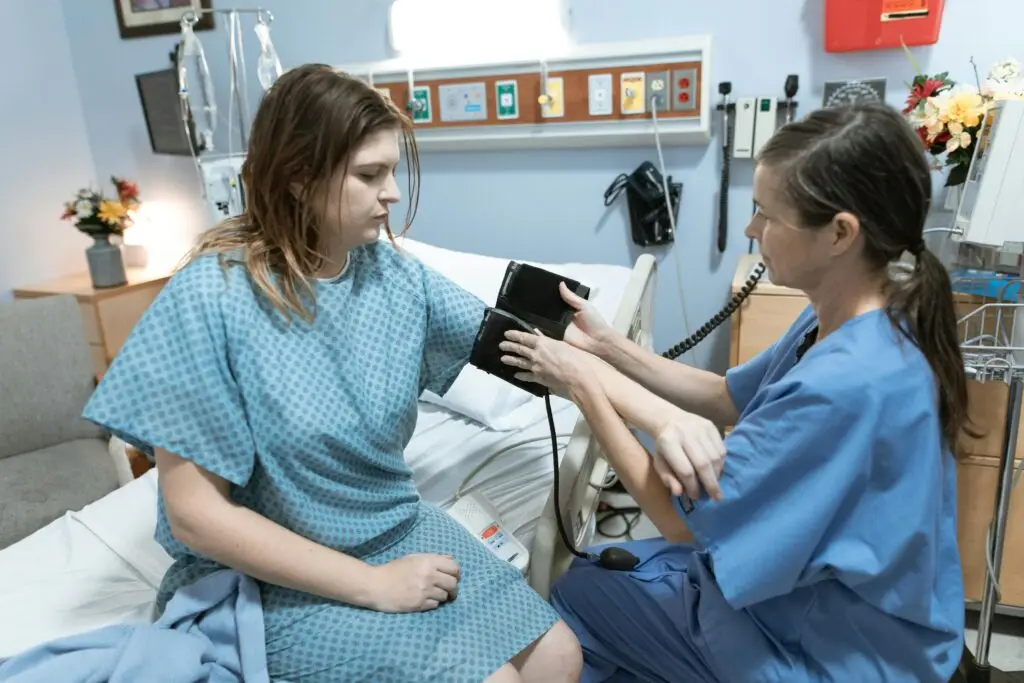
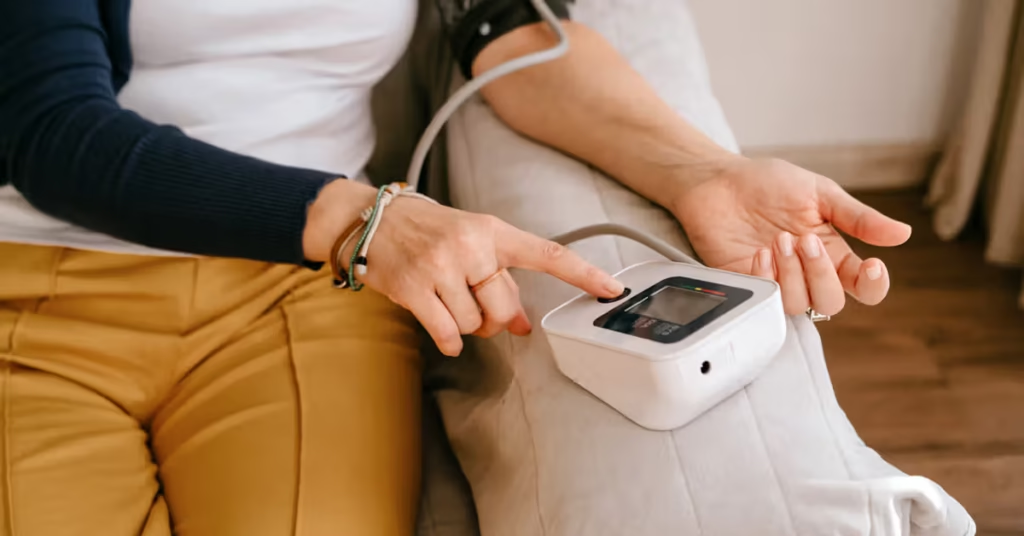
High blood pressure, medically known as hypertension, is one of the most common yet dangerous health conditions worldwide. It is often referred to as the “silent killer” because many people live with it for years without obvious symptoms. Despite this, high blood pressure quietly damages the heart, brain, kidneys, eyes, and blood vessels, increasing the risk of heart attack, stroke, kidney failure, and vision loss.
While some people may not notice symptoms at all, the body often gives early warning signs that should not be ignored. Unfortunately, these signs are frequently dismissed as stress, fatigue, ageing, or minor illness. Recognising the early signs of high blood pressure can help you take action early, seek medical advice, and prevent serious complications.
This article explains the most common early symptoms, why they occur, and what you should do if you notice them.
Table of Contents
ToggleWhat Is High Blood Pressure?
Blood pressure measures the force of blood pushing against the walls of the arteries as the heart pumps. When this pressure remains consistently high, it puts strain on blood vessels and vital organs.
A normal blood pressure reading is usually around 120/80 mmHg. Readings consistently above 140/90 mmHg are considered high. Over time, uncontrolled blood pressure damages arteries, reduces blood flow, and forces the heart to work harder than normal.
Because symptoms may develop slowly or not at all, regular monitoring is essential, even if you feel well.
1. Frequent or Persistent Headaches
Frequent headaches, especially those that feel intense, throbbing, or occur early in the morning, can be an early sign of high blood pressure. These headaches may feel different from typical tension headaches and may be accompanied by pressure behind the eyes or a sense of heaviness in the head.
High blood pressure can increase pressure inside the skull, affecting blood flow to the brain. While headaches can have many causes, persistent or unexplained headaches should prompt a blood pressure check, particularly if they occur alongside other symptoms.
2. Dizziness or Lightheadedness
Feeling dizzy, faint, or lightheaded without a clear cause may indicate changes in blood pressure. High blood pressure can interfere with proper blood flow to the brain, affecting balance and coordination.
Some people describe this sensation as feeling unsteady, weak, or as though the room is spinning. Dizziness should never be ignored, especially if it occurs frequently or suddenly, as it may also increase the risk of falls and injury.
3. Blurred Vision or Vision Problems
High blood pressure can damage the tiny blood vessels in the eyes, a condition known as hypertensive retinopathy. Early signs include blurred vision, difficulty focusing, seeing shadows, or brief episodes of vision loss.
Vision changes are a serious warning sign that high blood pressure may already be affecting vital organs. Left untreated, this damage can become permanent. Any unexplained change in vision should be checked promptly by a healthcare professional.
4. Shortness of Breath
Shortness of breath during everyday activities such as walking, climbing stairs, or doing household tasks can be an early sign that high blood pressure is affecting the heart.
Over time, high blood pressure can weaken the heart muscle and lead to heart failure, making it harder for the heart to pump blood efficiently. If you notice breathlessness that seems out of proportion to your activity level, it is important to seek medical advice.
5. Chest Discomfort or Tightness
Chest discomfort, pressure, or tightness may occur when the heart is under strain due to prolonged high blood pressure. While chest pain is often associated with heart attacks, milder discomfort can still signal cardiovascular stress.
Any chest-related symptom should be treated seriously. Do not ignore chest pain, tightness, or pressure, especially if it occurs alongside shortness of breath, dizziness, or fatigue.
6. Persistent Fatigue or Confusion
Unusual tiredness, mental fog, difficulty concentrating, or confusion may be linked to reduced blood flow to the brain caused by high blood pressure. These symptoms are often mistaken for stress, lack of sleep, or ageing.
When the brain does not receive enough oxygen-rich blood, mental clarity and energy levels can decline. Persistent fatigue or confusion should not be ignored and may warrant a blood pressure check.
7. Irregular Heartbeat or Palpitations
Some individuals with high blood pressure experience palpitations, a racing heart, or irregular heartbeat. These sensations may feel like fluttering, pounding, or skipping beats.
High blood pressure forces the heart to work harder, which can disrupt its normal rhythm. Ignoring palpitations may increase the risk of serious heart conditions, including arrhythmias and heart failure.
8. Nosebleeds and Facial Flushing
Although less common, frequent nosebleeds or facial flushing may occur in people with very high blood pressure. These symptoms usually appear when blood pressure is dangerously elevated and should be treated as a warning sign.
While nosebleeds alone do not always indicate hypertension, repeated episodes should prompt medical evaluation.
Why Early Detection Is So Important
The earlier high blood pressure is detected, the easier it is to manage. Early intervention through lifestyle changes such as healthy eating, physical activity, stress management, and regular monitoring can significantly reduce the risk of complications.
Many people only discover they have high blood pressure after experiencing a stroke, heart attack, or kidney problem — events that are often preventable with early awareness and action.
What You Should Do If You Notice These Signs
Check your blood pressure regularly, even if you feel fine
Use a reliable home blood pressure monitor
Record your readings over time
Consult a healthcare professional if readings remain high
Lifestyle changes play a major role in blood pressure control. You can also read our guide on simple lifestyle changes to lower high blood pressure naturally to learn practical steps you can take daily.
Final Thoughts
High blood pressure may be silent, but it is rarely harmless. The body often gives subtle signals before serious damage occurs. Learning to recognise and respond to these
can protect your heart, brain, eyes, and kidneys.
Do not wait for symptoms to become severe. Early action saves lives.
💙 Share this article with someone who may be at risk
📩 Follow VeeVee Health for trusted health education
▶️ Watch our videos for practical guidance on managing blood pressure
For more information and resources, click on the link below
How to Manage High Blood Pressure Naturally: Simple Lifestyle Tips That Work – Veevee Health
High blood pressure is a silent killer!
Pingback: Intermittent Fasting Explained: Is It Safe for Africans With Diabetes, Fatty Liver & High Blood Pressure?