

Starting a new fitness routine can feel overwhelming, especially if you have not exercised for a long time. You may wonder which exercises to try, how long to work out, or whether you need a gym membership to get started. For anyone new to physical activity, exercise for beginners should focus on simple movements, gradual progress and building confidence over time.
You can begin with simple activities such as walking, gentle stretching and basic strength exercises at home. The most important thing is to start at a level that feels manageable and gradually build your fitness over time.
Whether your goal is to improve your health, increase your energy, manage your weight or develop a more active lifestyle, this guide will help you understand how to get started safely and build an exercise routine that fits your everyday life.
Table of Contents
ToggleWhat Is Exercise, and Why Is It Important?
Exercise for beginners does not have to be complicated, expensive or exhausting. If you have never exercised before or are returning to physical activity after a long break, you can start with simple activities such as walking, treadmill walking, skipping, dancing, cycling, gentle stretching, bodyweight exercises and running or jogging at a pace that suits your fitness level.
Physical activity also includes everyday movements such as climbing stairs, walking to the shops, gardening and doing household chores.
Regular physical activity supports several aspects of health, including cardiovascular health, muscle strength, sleep, mood and general wellbeing. It can also help reduce the risk of conditions such as type 2 diabetes and cardiovascular disease.
According to the UK Chief Medical Officers’ physical activity guidelines, adults should aim for at least 150 minutes of moderate-intensity activity each week, alongside muscle-strengthening activities on at least two days. However, if you are currently inactive, you do not need to achieve this target immediately. Starting with small amounts of movement is a positive first step.
7 Simple Steps to Start Exercising as a Beginner
Lorem ipsum dolor sit amet, consectetur adipiscing elit. Ut elit tellus, luctus nec ullamcorper mattis, pulvinar dapibus leo.
1. Start Small and Build Gradually
One of the most common mistakes beginners make is trying to do too much too soon. You may feel motivated to exercise every day, but suddenly starting long or intense workouts can leave you exhausted and make it difficult to continue.
Instead, begin with a realistic goal.
For example, you could start with a comfortable five- to ten-minute walk, depending on your current fitness and abilities. If this feels manageable, gradually increase the duration as you become more comfortable.
Remember that progress does not have to happen overnight. Developing a consistent routine is more important than pushing yourself to complete a demanding workout on your first day.
Â
2. Choose an Exercise You Enjoy
Choosing the right exercise for beginners starts with finding activities that suit your fitness level, interests and lifestyle. You do not have to join a gym or follow a complicated workout routine to become more active. There are many types of exercise you can try, whether you prefer working out at home, exercising outdoors or visiting a gym.
The best exercise for a beginner is one that suits your abilities, interests and lifestyle. Here are some activities you could try:
Walking: A simple and accessible way to improve cardiovascular fitness. You can walk around your neighbourhood, in a local park or as part of your daily routine.
Treadmill walking: A convenient option for exercising at home or in a gym. You can adjust the speed and incline to suit your fitness level.
Skipping: Skipping rope can provide a vigorous cardiovascular workout and improve coordination. Beginners should start slowly, and it may not be suitable for people with certain joint, balance or mobility concerns.
Dancing: Dancing to your favourite music can make exercise enjoyable while helping you move more and improve cardiovascular fitness.
Cycling: Cycling outdoors or using a stationary exercise bike can help improve cardiovascular fitness while allowing you to adjust the intensity to your abilities.
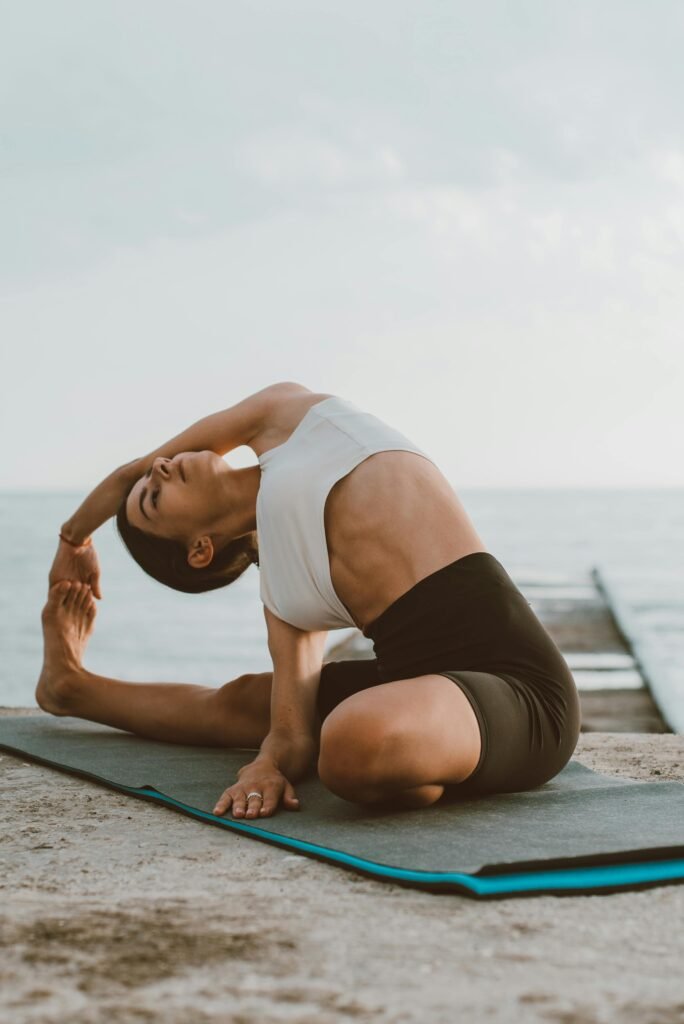
Gentle stretching: Stretching can help maintain flexibility and make everyday movements more comfortable. Move gently and avoid forcing your body into painful positions.
Bodyweight exercises: Exercises such as wall push-ups, supported squats and chair sit-to-stands can help strengthen your muscles without requiring specialised equipment.
Running or jogging: These activities can improve cardiovascular fitness. If you are new to running, consider starting with a combination of walking and short jogging intervals, gradually increasing the intensity as your fitness improves.
You could also try swimming, hiking, low-impact aerobics or other activities that you enjoy.
Remember that you do not need to try everything at once. Choose one or two activities that feel manageable and build from there. If you have a health condition, joint problems or concerns about your ability to exercise safely, seek appropriate professional advice before beginning a demanding activity.
The key is to find movement you enjoy, start at a comfortable level and remain consistent. When exercise fits naturally into your life, it can become a sustainable habit rather than another chore.
3. Create a Realistic Weekly Exercise Plan
Planning your exercise sessions can help you fit physical activity around work, family responsibilities and other commitments.
You do not need to exercise for an hour every day. Start with a schedule that is realistic for you and adjust it as your fitness improves.
For example, a beginner might use the following plan as a starting point.
| Day | Activity | Suggested duration |
|---|---|---|
| Monday | Comfortable walking | 10 minutes |
| Tuesday | Gentle strength exercises | 5–10 minutes |
| Wednesday | Comfortable walking | 10 minutes |
| Thursday | Rest or gentle movement | As comfortable |
| Friday | Walking or treadmill walking | 10–15 minutes |
| Saturday | Gentle strength exercises | 5–10 minutes |
| Sunday | Rest or an easy walk | Optional |
This is an illustrative starting schedule, not a requirement. Adjust it to your current fitness, mobility and health needs. If you are already comfortable with more activity, you may be able to begin at a higher level.
As the routine becomes easier, gradually increase your activity and work towards the recommended weekly targets.
4. Learn the Importance of Warming Up and Cooling Down
Before exercising, spend a few minutes preparing your body for movement. A gentle warm-up can include walking slowly, marching on the spot or moving your arms comfortably.
For example, before a treadmill session, begin at a slow pace and increase the speed only if you feel comfortable.
After exercising, slow down gradually rather than stopping abruptly following a demanding session. Gentle movement can help you return to your usual breathing rate.
You do not need an elaborate warm-up routine for every short, gentle activity, but preparing for exercise is particularly useful when the activity is more demanding.
5. Include Simple Strength Exercises
Cardiovascular activities such as walking are valuable, but strength exercises are also an important part of a balanced fitness routine.
Strength training helps develop and maintain muscle strength and supports everyday activities such as climbing stairs, carrying shopping and getting up from a chair.
Beginners can try simple movements such as:
Chair sit-to-stands: Sit on a sturdy chair and practise standing up and sitting down with control, using your hands for support if necessary.
Wall push-ups: Stand facing a wall, place your hands against it and gently bend and straighten your elbows.
Calf raises: Hold a stable support and slowly rise onto your toes before lowering your heels.
Begin with a small number of comfortable repetitions and rest when needed. Use a stable chair or support, and do not continue a movement that causes pain.
As your fitness develops, you can gradually increase the number of repetitions or explore other suitable exercises.
6. Make Exercise Part of Your Daily Routine
Finding time to exercise can be challenging, particularly when you have work, family and other responsibilities.
One helpful approach is to connect physical activity with something you already do.
You could walk during a lunch break, take a short walk after dinner, use the stairs when appropriate or perform a few gentle movements while watching television.
If you have a treadmill at home, you could schedule a short walking session at a time that works for you.
The goal is not to reorganise your entire life around exercise. It is to find realistic opportunities to move more often.
You can also use a calendar or simple exercise journal to record your activity. Seeing your progress can help you recognise the small steps you are taking towards a healthier lifestyle.
7. Be Patient and Celebrate Your Progress
Building a new habit takes time. Some days you may feel energetic and motivated, while on other days you may need to do less or rest.
Try not to judge your progress solely by your weight, appearance or how far you can walk. Other signs of progress may include feeling more confident, completing everyday tasks more comfortably or gradually increasing the amount of activity you can manage.
If you miss a planned session, you have not failed. Simply return to your routine when you are ready.
Consistency does not mean exercising perfectly every day. It means continuing to make manageable choices that support your health over time.
What Are the Benefits of Exercise for Beginners?
Starting a regular exercise routine can provide several benefits, even if you begin with short sessions.
1. Supports Heart Health
Activities such as walking, cycling and swimming help improve cardiovascular fitness. Regular physical activity can also reduce the risk of cardiovascular disease over time.
2. Helps Improve Mood and Manage Stress
Physical activity can support mental wellbeing and may help reduce symptoms of anxiety and depression. Some people also find that a walk outdoors provides an opportunity to relax and clear their minds.
3. Supports Healthy Weight Management
Exercise uses energy and can contribute to maintaining a healthy weight. When combined with appropriate nutrition and other healthy habits, regular physical activity can support weight management.However, results vary from person to person, and exercise should not be viewed as a guarantee of weight loss.
4. Helps Maintain Muscle Strength
Strength exercises help maintain muscle function and make everyday movements easier. This becomes particularly important as people grow older.
5. May Improve Sleep
Regular physical activity is associated with better sleep and general wellbeing. Finding a suitable time to exercise and allowing yourself enough time to recover can help you develop a sustainable routine.
6. Encourages a More Active Lifestyle
Beginning with a short walk or a few simple exercises can help you build confidence. Over time, these small changes may encourage you to become more active throughout the day.
How Much Exercise Should a Beginner Do Each Day?
There is no single amount of exercise that is right for every beginner. Your starting point depends on your current activity level, health, mobility and fitness goals.
If you have been inactive, even five to ten minutes of comfortable movement may be a useful place to begin.
For adults, UK guidelines recommend at least 150 minutes of moderate-intensity physical activity each week, or 75 minutes of vigorous-intensity activity, or an appropriate combination of both. Adults should also undertake muscle-strengthening activities on at least two days each week.
Moderate-intensity activity generally makes you breathe faster and feel warmer while still allowing you to talk, although singing would be difficult.
You can work towards these recommendations gradually. You do not need to reach the full target before your activity can benefit your health.
For official guidance, see the [NHS physical activity guidelines for adults aged 19 to 64](https://www.nhs.uk/live-well/exercise/physical-activity-guidelines-for-adults-aged-19-to-64/).
Common Exercise Mistakes Beginners Should Avoid
Starting a fitness journey is exciting, but a few common mistakes can make it harder to continue.
Doing too much too soon: Increasing your exercise duration or intensity too quickly can leave you excessively tired and increase the risk of injury. Progress gradually.
Comparing yourself with other people: Everyone starts from a different point. Focus on your own abilities and progress.
Ignoring recovery: Rest and lighter activity are important when you are adapting to a new routine.
Exercising only to lose weight: Physical activity has benefits beyond weight management, including supporting cardiovascular health, strength, mood and mobility.
Giving up after missing a session: One missed workout does not undo your progress. Return to your routine when you can.
Ignoring pain or unusual symptoms: Do not force yourself through pain, dizziness, chest discomfort or unusual breathlessness. Stop exercising and seek appropriate medical advice.
How to Exercise Safely as a Beginner
Safety is an important part of building a healthy fitness routine.
Before you begin:
Choose activities that match your current fitness and mobility.
Wear comfortable clothing and suitable footwear.
Drink water and exercise in an appropriate environment.
Increase your activity gradually.
Allow time for rest and recovery.
Stop if you experience concerning symptoms.
If you have a long-term health condition, have been inactive for a considerable time and are unsure how to begin, or have concerns about whether exercise is suitable for you, speak to your GP or another qualified healthcare professional for individual guidance.
Seek urgent medical help for symptoms such as chest pain, fainting or severe or unusual breathlessness during exercise.
Frequently Asked Questions About Exercise for Beginners
1. Can I start exercising if I have never been to a gym?
Yes. You can begin with walking, gentle home exercises, dancing or other activities that suit your abilities. A gym membership is not necessary to become more active.
2. Is ten minutes of exercise a day enough for a beginner?
Ten minutes can be a useful starting point, particularly if you have been inactive. As your fitness improves, gradually increase your activity towards the recommended weekly amount. Some activity is better than none.
3. Should I exercise every day as a beginner?
You do not need to do a demanding workout every day. You can alternate exercise sessions with rest or gentle movement, depending on your fitness and recovery needs.
4. Is walking enough exercise for a beginner?
Walking is an excellent way to start becoming more active and can improve cardiovascular fitness. For a balanced routine, adults should also include suitable muscle-strengthening activities on at least two days each week.
5. How long does it take to see results from exercise?
Progress varies depending on your starting fitness, activity, recovery, nutrition and goals. You may notice changes in confidence or how comfortably you move before seeing changes in your appearance or weight. Focus on gradual progress rather than expecting immediate results.
6. Can I exercise at home without equipment?
Yes. Walking indoors, marching on the spot, wall push-ups and supported chair sit-to-stands are examples of activities that can be performed without specialised gym equipment. Choose movements that are appropriate for your abilities.
7. What is the best time of day to exercise?
The best time is one that fits your routine and allows you to exercise comfortably and consistently. Some people prefer mornings, while others find lunchtime or evenings more convenient.
Conclusion: Start Small, Stay Consistent and Keep Moving
Learning how to start exercising as a complete beginner does not require perfection, expensive equipment or a demanding workout schedule. It begins with making a small, realistic change and allowing yourself time to develop. The best exercise for beginners is one you can enjoy consistently and adapt as your strength and fitness improve.
Start with an activity you enjoy, build a routine that fits your lifestyle and gradually increase your movement as your fitness improves. Remember that progress looks different for everyone.
Whether you begin with a short walk, a few minutes on a treadmill or simple strength exercises at home, every manageable step can contribute to a more active lifestyle.
You do not have to do everything today. Start where you are, keep moving at a pace that suits you, and give yourself the opportunity to grow stronger over time.
Medical Disclaimer
This article is intended for general educational purposes only and is not a substitute for personalised medical advice, diagnosis or treatment. Exercise recommendations should be adapted to individual health conditions, fitness levels and abilities. Speak to a qualified healthcare professional if you have concerns about starting an exercise programme.
References
References
UK Government. UK Chief Medical Officers’ physical activity guidelines.
World Health Organization. Physical activity.
Read Related Posts
Discover more from Veevee Health
Subscribe to get the latest posts sent to your email.