




Have you noticed your weight increasing even though you feel you have not changed much about your lifestyle? Understanding the causes of weight gain can help you identify possible reasons for the change and make informed decisions about your health.
Weight gain can happen for several reasons. Eating habits and physical activity play an important role, but hormones, genetics, sleep, stress, certain medicines and underlying health conditions can also contribute.
Understanding what causes weight gain is an important first step towards making informed decisions about your health. Rather than blaming yourself or following a restrictive diet, it is helpful to identify the factors that may be influencing your weight and decide what changes are realistic for you.
In this guide, VeeVee Health explores common causes of weight gain, signs that may need medical attention and practical ways to support healthy weight management.
What Are the Main Causes of Weight Gain?
1. Eating More Energy Than Your Body Uses
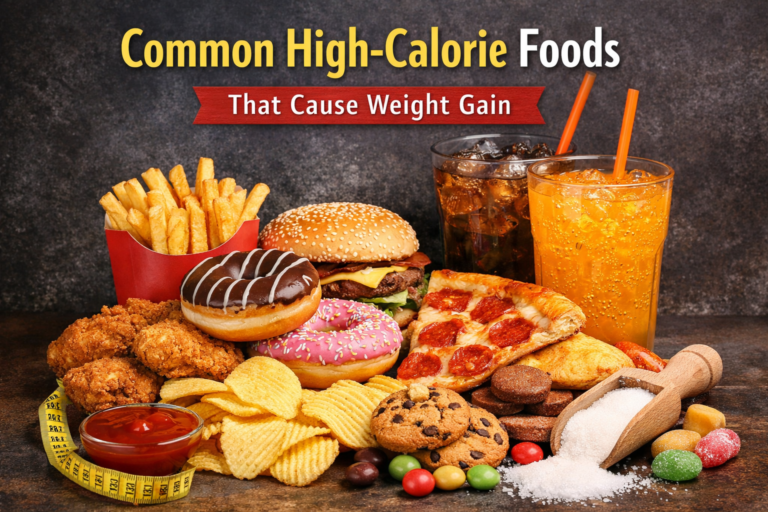
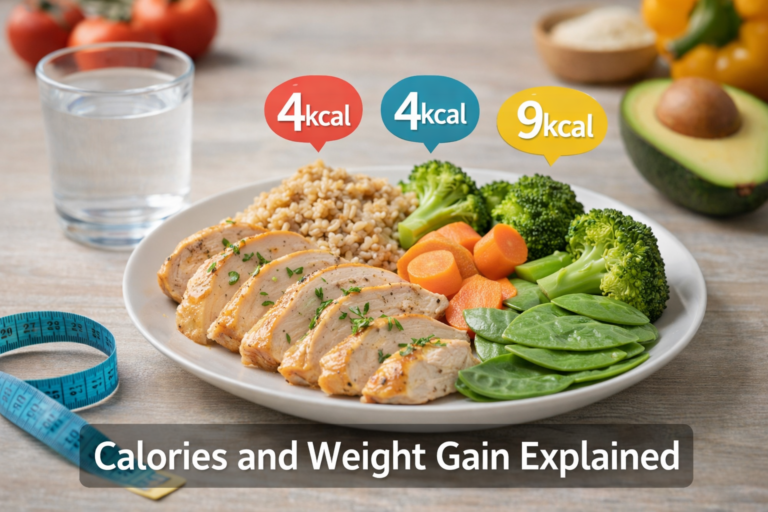
One common reason for weight gain is regularly consuming more energy from food and drinks than the body uses. Over time, the extra energy can be stored, including as body fat.
This does not necessarily mean someone eats excessively at every meal. Small differences in daily intake can add up over weeks and months.
Factors that may contribute include:
-
Eating large portions regularly.
-
Frequently consuming foods high in fat or added sugar.
-
Drinking sugary beverages.
-
Snacking often without noticing how much you consume.
-
Eating while distracted by television or a phone.
-
Frequently eating takeaway meals that are energy-dense.
Foods such as rice, yam, bread and plantain are not automatically responsible for weight gain. What matters is the overall eating pattern, portion sizes, preparation methods and the body’s individual needs.
For example, you can enjoy Nigerian meals such as jollof rice, beans, moi moi, yam and soup as part of a balanced eating pattern. Appropriate portions, vegetables and suitable protein sources can help make meals more balanced.
2. Physical Inactivity and Spending Too Much Time Sitting
Modern routines can make it easy to spend much of the day sitting. Office work, driving, watching television and spending long periods on electronic devices may reduce daily movement.
When physical activity decreases but food intake remains the same, maintaining your previous weight may become more difficult.
Regular movement also supports cardiovascular health, muscle strength, mobility and blood sugar regulation.
You do not need an expensive gym membership to become more active. Consider:
-
Walking outdoors or on a treadmill.
-
Dancing at home.
-
Taking short movement breaks during the working day.
-
Using stairs when appropriate.
-
Gardening or doing household activities.
-
Performing suitable strength exercises.
Start with an amount of activity that feels manageable and increase gradually. If pain, disability or a health condition limits your movement, ask a healthcare professional about appropriate options.
3. Hormonal Causes of Weight Gain
Hormonal causes of weight gain may include changes associated with menopause, certain thyroid disorders and other hormonal conditions.
Hormones influence appetite, energy use, reproductive health and how the body stores fat. Changes in hormones can therefore affect weight or body composition.
Menopause and perimenopause
During perimenopause and menopause, some women notice changes in their waist circumference and body composition. Ageing, changes in muscle mass, sleep disturbances and physical activity may also contribute.
Weight gain during this stage is not inevitable, and not every change is caused by hormones alone.
Helpful habits include regular movement, strength training, balanced nutrition and adequate sleep. If weight changes occur alongside troublesome menopausal symptoms, speak to your GP.
Pregnancy and the postnatal period
Weight naturally increases during pregnancy as the baby grows and the body undergoes changes to support pregnancy.
After childbirth, weight and body composition may change gradually. Recovery, breastfeeding, sleep deprivation and caring responsibilities can all influence routines.
Pregnancy is not a time to follow a routine weight-loss programme without appropriate maternity advice. After childbirth, seek individual guidance if you are unsure about a healthy approach.
Other hormonal conditions
Conditions such as polycystic ovary syndrome (PCOS) may be associated with insulin resistance and weight-management difficulties in some women. Other hormonal disorders can also contribute to weight changes.
If you experience persistent unexplained weight gain alongside other symptoms, a healthcare professional can assess whether further investigation is appropriate.
4. Poor Sleep and Irregular Sleep Patterns
Sleep is an important part of overall health, but it is often overlooked when discussing weight management.
Poor sleep may affect appetite, food choices, mood and motivation to be physically active. When you are tired, preparing balanced meals or exercising may also feel more difficult.
Factors that can disrupt sleep include:
-
Working night shifts or rotating shifts.
-
Caring for young children or family members.
-
Stress and anxiety.
-
Irregular bedtimes.
-
Excessive caffeine late in the day.
-
Sleep disorders such as obstructive sleep apnoea.
Try to establish a consistent sleep routine and create a comfortable sleeping environment. If you regularly snore loudly, experience pauses in breathing during sleep or feel excessively sleepy during the day, seek medical advice.
5. Stress and Emotional Eating
Stress can influence eating habits in different ways. Some people lose their appetite during stressful periods, while others experience stronger cravings or eat for comfort.
Emotional eating occurs when someone uses food to respond to feelings such as sadness, boredom, loneliness or anxiety rather than primarily to satisfy physical hunger.
You may notice that you:
-
Reach for snacks after a difficult day.
-
Eat more when feeling worried or overwhelmed.
-
Continue eating despite feeling comfortably full.
-
Crave certain foods when you are tired or upset.
These experiences do not automatically indicate an eating disorder. However, if eating feels out of control or causes significant distress, consider speaking with a qualified healthcare professional.
Stress-management techniques such as walking, relaxation, social support and setting boundaries may help. If stress is persistent, mental health support can also be valuable.
6. Medical Causes of Weight Gain
Medical causes of weight gain should be considered when weight changes occur alongside unusual symptoms or after starting a new medicine
Sometimes weight gain is associated with an underlying medical condition. This is one reason not to assume that every change in weight is caused by eating habits alone.
Underactive thyroid
An underactive thyroid, also known as hypothyroidism, occurs when the thyroid gland does not produce enough thyroid hormones.
Possible symptoms include:
-
Tiredness.
-
Feeling unusually cold.
-
Constipation.
-
Dry skin or hair loss.
-
Low mood.
-
Weight gain.
These symptoms can have other causes, so they cannot confirm a thyroid problem on their own. A GP can assess your symptoms and arrange blood tests if needed.
Source: NHS — Underactive thyroid.
Polycystic ovary syndrome (PCOS)
PCOS is a hormonal condition that can affect menstrual cycles, skin, hair growth and fertility. Some women with PCOS also experience insulin resistance and difficulties managing their weight.
Weight is only one aspect of the condition. Anyone concerned about irregular periods, excess facial hair or other possible symptoms should seek medical advice.
Cushing’s syndrome
Cushing’s syndrome is an uncommon condition involving prolonged exposure to high levels of cortisol. It can cause weight gain, often around the trunk, alongside other symptoms such as easy bruising, muscle weakness or changes in the skin.
It requires medical assessment rather than self-diagnosis.
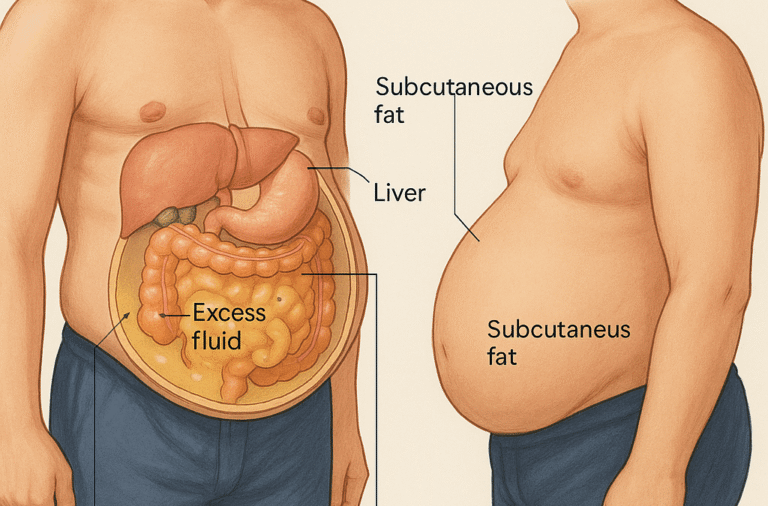
Fluid retention
Not all weight gain is caused by an increase in body fat. The body can retain fluid, causing weight to increase over a short period.
Fluid retention may be associated with some medicines or medical conditions affecting the heart, kidneys or liver.
Seek urgent medical advice if rapid weight gain occurs with new or worsening swelling or breathlessness. Severe breathing difficulty or chest pain requires emergency care.
7. Certain Medicines Can Contribute to Weight Gain
Some prescribed medicines can affect appetite, metabolism or fluid balance. Depending on the medicine and individual circumstances, this may contribute to weight changes.
Examples include certain:
-
Corticosteroids.
-
Antidepressants and other psychiatric medicines.
-
Diabetes medicines.
-
Blood pressure medicines.
Not every medicine within these groups causes weight gain, and the effects vary between individuals.
If you suspect your medication is affecting your weight, discuss it with your GP or pharmacist. Do not stop taking prescribed medicine or change your dose without professional advice. Your clinician can assess the benefits and risks and discuss suitable alternatives where appropriate.
8. Genetics and Family History
Genetics can influence body size, appetite, fat distribution and the way the body responds to food and physical activity.
This means that two people following similar routines may experience different weight changes.
Family habits and circumstances can also play a role. People in the same household may share food preferences, meal routines, working patterns and opportunities for physical activity.
Genetics do not determine every outcome. Sustainable lifestyle changes and appropriate healthcare support can still benefit people with a family history of weight-related conditions.
9. Ageing and Changes in Muscle Mass
As people age, muscle mass and physical activity may decline, particularly when regular strength-building activities are limited. Changes in routines, sleep and health can also affect body composition.
Because muscle uses energy, losing muscle may reduce the amount of energy the body uses at rest. However, weight changes with age are not inevitable.
To support healthy ageing:
-
Include suitable strength-building activities.
-
Eat adequate protein as part of a balanced diet.
-
Stay physically active within your abilities.
-
Prioritise sleep and recovery.
-
Discuss unexplained changes in weight with your healthcare professional.
The goal is not simply to weigh less. Maintaining strength, mobility and nutritional health is also important.
10. Alcohol and High-Calorie Drinks
Drinks can contribute more energy to your diet than you realise, especially when consumed frequently.
Sugary soft drinks, sweetened teas and coffees, some fruit drinks and alcoholic beverages can add substantial calories without always making you feel as satisfied as a meal.
Practical changes include:
-
Choosing water more often.
-
Reducing sugar added to tea or coffee gradually.
-
Checking the sugar content of packaged drinks.
-
Being mindful of alcohol intake.
-
Keeping convenient water available during the day.
You do not have to change every habit at once. Start with the drink that you consume most frequently and consider a realistic alternative.
11. Everyday Habits and Environmental Factors
Weight is influenced not only by individual decisions but also by the environment in which people live and work.
Long working hours, financial pressures, limited access to affordable fresh food, unsafe walking routes and caring responsibilities can all make healthy routines more difficult.
For example, someone working long shifts may rely on convenient meals because they have little time to cook. Another person may struggle to exercise because they have limited mobility or no safe place to walk.
Practical strategies might include batch-cooking meals, choosing affordable foods such as beans and seasonal vegetables, taking short walking breaks or finding activities that fit your circumstances.
Healthy weight management should be realistic and adapted to your life rather than based on an ideal routine that is difficult to maintain.
How Can You Identify What Is Causing Your Weight Gain?
If you are concerned about your weight, begin by looking for patterns rather than making assumptions.
-
Review your weight history. Consider when the change began and whether it happened gradually or suddenly.
-
Look at your routines. Reflect on eating patterns, drinks, daily movement, sleep and stress.
-
Consider recent changes. New medication, pregnancy, menopause, illness or a change in work routine may be relevant.
-
Notice other symptoms. Fatigue, unusual cold sensitivity, swelling or breathlessness may need medical assessment.
-
Seek professional advice when appropriate. A clinician can review your medical history, medicines and symptoms and arrange tests if necessary.
If you are already monitoring your weight, waist measurement may provide additional information. You can read our guide to understanding BMI and waist circumference for more information.
When Should You See a GP About Weight Gain?
Arrange a GP appointment if you experience unexplained or persistent weight gain, particularly when accompanied by other symptoms.
You should also seek advice if weight changes begin after starting a new medicine or if you are struggling to manage a long-term condition.
Your clinician may assess your symptoms, review your medicines, check relevant measurements and arrange blood tests where appropriate.
If you have concerns about related health conditions, you can also read our guides to type 2 diabetes and high blood pressure.
Remember that example internal links should be checked against the actual URLs on your WordPress website before publishing.
Final Thoughts
Weight gain is not always as simple as eating too much or exercising too little. Lifestyle habits matter, but so do hormones, genetics, sleep, stress, medication, medical conditions and the environment around us.
Understanding these factors can help you take a more informed and compassionate approach to your health. Rather than turning to crash diets or blaming yourself, focus on identifying what may be contributing to the change and choosing practical next steps.
Identifying the possible causes of weight gain is an important step towards choosing an appropriate and sustainable management plan.
For more guidance, explore the Weight Management resources on VeeVee Health, including our articles on BMI and waist circumference and healthy weight management.
Medical disclaimer: This article is for general educational purposes only and does not replace individual medical advice, diagnosis or treatment. Consult a qualified healthcare professional about unexplained weight changes or concerns about your health.
Frequently Asked Questions
1. Can you gain weight without eating more?
Yes. Weight changes can be influenced by changes in physical activity, fluid retention, medicines, hormonal conditions and other health factors. It is also possible for eating patterns to change gradually without someone noticing.
2. Does an underactive thyroid always cause weight gain?
No. Some people with hypothyroidism gain weight, but the amount varies and symptoms differ. A blood test and clinical assessment are needed to diagnose the condition.
References
-
NHS — Overweight and obesity in adults
-
NICE — Overweight and obesity management
-
NICE — Physical activity and diet guidance
Read Related Posts
Accordion Item 1
Accordion Item 2

Vivian Okpala is a Public Health Educator and Founder of VeeVee Health. She creates evidence-based health content focused on blood sugar control, blood pressure management, weight management, and preventive health, with a strong emphasis on culturally relevant nutrition and lifestyle guidance.
Related
Discover more from Veevee Health
Subscribe to get the latest posts sent to your email.