Table of Contents
ToggleBlood Pressure Numbers Explained: What 120/80 Really Means
Blood pressure readings are often written as numbers such as 120/80, but many people do not truly understand what these numbers mean. Blood pressure numbers can be confusing, yet understanding them is essential for recognising when your blood pressure is healthy and when it may be a cause for concern.
According to the World Health Organization (WHO, 2023), high blood pressure is one of the leading risk factors for cardiovascular disease worldwide. Understanding blood pressure numbers is therefore an important step toward prevention and early management.
What Do Blood Pressure Numbers Mean?
Blood pressure is measured using two numbers:
-
Systolic blood pressure (the top number)
-
Diastolic blood pressure (the bottom number)
These two numbers indicate how much pressure your blood exerts against artery walls when the heart beats and when it rests. Blood pressure is recorded in millimetres of mercury (mmHg) (NHS, 2022).
A typical reading looks like this:
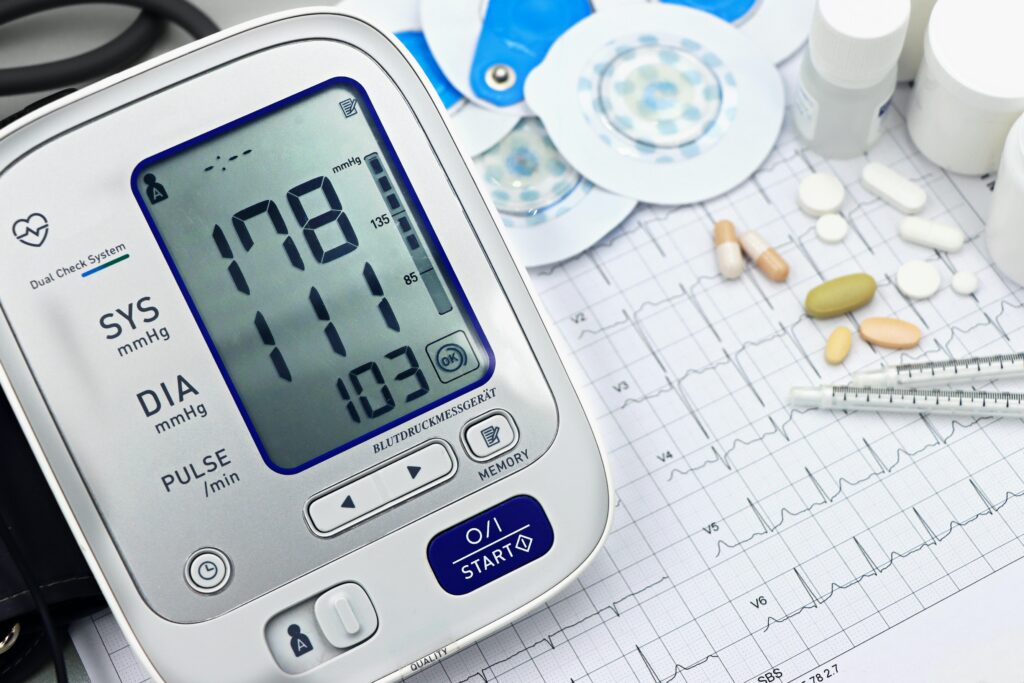
120/80 mmHg
What Is Systolic Blood Pressure?
Systolic blood pressure is the top number in a blood pressure reading. It measures the pressure in the arteries when the heart contracts and pumps blood around the body.
Higher systolic readings are associated with an increased risk of heart disease and stroke, particularly in adults over the age of 40 (British Heart Foundation, 2023).
What Is Diastolic Blood Pressure?
Diastolic blood pressure is the bottom number. It measures the pressure in the arteries when the heart relaxes between beats.
Persistently raised diastolic pressure can indicate that blood vessels are under constant strain, which may contribute to long-term cardiovascular complications (CDC, 2023).
What Is a Normal Blood Pressure Reading?
A normal blood pressure reading is generally considered to be:
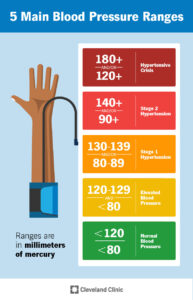
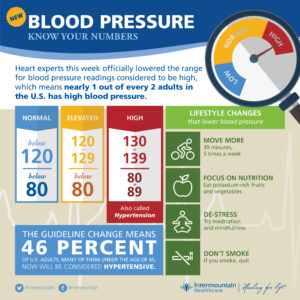
Below 120/80 mmHg
Maintaining blood pressure within this range reduces the risk of developing heart disease, kidney disease, and stroke (NHS, 2022).
What Blood Pressure Numbers Are Considered High?
High blood pressure, also known as hypertension, is commonly defined as:
140/90 mmHg or higher on repeated measurements
Blood pressure readings between 120/80 mmHg and 139/89 mmHg are often classified as elevated or borderline and require monitoring and lifestyle adjustments (WHO, 2023)
Why Blood Pressure Numbers Matter
High blood pressure often has no obvious symptoms, which is why it is sometimes referred to as a “silent condition.” Despite this, it can cause serious damage to the heart, brain, kidneys, and eyes if left unmanaged (British Heart Foundation, 2023).
Regular monitoring allows early detection and timely intervention.
Why Blood Pressure Readings Can Change
Blood pressure can vary throughout the day due to factors such as stress, physical activity, caffeine intake, salt consumption, and sleep quality. For this reason, healthcare professionals often recommend taking multiple readings over time rather than relying on a single measurement (CDC, 2023).
How Often Should You Check Your Blood Pressure?
Most adults should have their blood pressure checked at least once a year. Individuals with risk factors such as family history, diabetes, or previous high readings may require more frequent monitoring (NHS, 2022).
Home blood pressure monitoring can be helpful when readings are taken correctly and shared with a healthcare professional.
What to Do If Your Blood Pressure Numbers Are High
If your readings are consistently high:
Do not panic
Avoid self-medicating
Speak to a healthcare professional
Consider lifestyle changes such as healthier eating, physical activity, and stress management
You may also find it helpful to read related guides on understanding high blood pressure and how to lower blood pressure naturally for more practical steps.
Conclusion
Final Thoughts
Understanding blood pressure numbers helps you take control of your heart health. By knowing what your readings mean and monitoring them regularly, you can make informed lifestyle choices and seek medical advice when needed.
At VeeVee Health, the aim is to simplify health information and support awareness so individuals can take proactive steps toward healthier living.
References
British Heart Foundation (2023) Blood pressure and your heart health. Available at: https://www.bhf.org.uk (Accessed: 18 December 2025).
Centers for Disease Control and Prevention (CDC) (2023) High blood pressure facts. Available at: https://www.cdc.gov (Accessed: 18 December 2025).
National Health Service (NHS) (2022) Blood pressure. Available at: https://www.nhs.uk (Accessed: 18 December 2025).
World Health Organization (WHO) (2023) Hypertension. Available at: https://www.who.int (Accessed: 18 December 2025).
Whelton, P.K. et al. (2018) ‘2017 ACC/AHA guideline for the prevention, detection, evaluation, and management of high blood pressure in adults’, Journal of the American College of Cardiology, 71(19), pp. e127–e248.
Frequently Asked Questions (FAQs)
What do blood pressure numbers mean?
Blood pressure numbers show how hard blood pushes against artery walls. The top number (systolic) measures pressure when the heart beats, while the bottom number (diastolic) measures pressure when the heart rests.
What is a normal blood pressure reading?
A normal blood pressure reading is usually below 120/80 mmHg.
When is blood pressure considered high?
Blood pressure is considered high when readings are consistently 140/90 mmHg or higher.
Can blood pressure change during the day?
Yes. Blood pressure can change due to stress, physical activity, salt intake, caffeine, and sleep.
Should I worry about one high reading?
One high reading is not always a diagnosis. Repeated high readings over time should be discussed with a healthcare professional.
Pingback: Early Signs of Fatty Liver Disease You Shouldn’t Ignore
Pingback: Preventive health focuses on early lifestyle changes to prevent, manage, or reverse chronic diseases like high blood pressure, diabetes, and metabolic conditions.