If You Have Belly Fat, Your Liver May Be Struggling

Obesity(Big Belly)

Belly fat is often treated as a cosmetic issue — something to hide under loose clothes or blame on age, childbirth, or stress. But for many Africans, belly fat is not just about weight.

It may be a sign that the liver is struggling.

In recent years, conditions like fatty liver disease, type 2 diabetes, and high blood pressure have become increasingly common in African communities, both at home and in the diaspora. What many people don’t realise is that belly fat sits at the centre of this problem.

This article explains, in simple and practical terms, how belly fat affects liver health, why it matters, and what you can start doing to protect your liver.

Not all fat in the body behaves the same way.

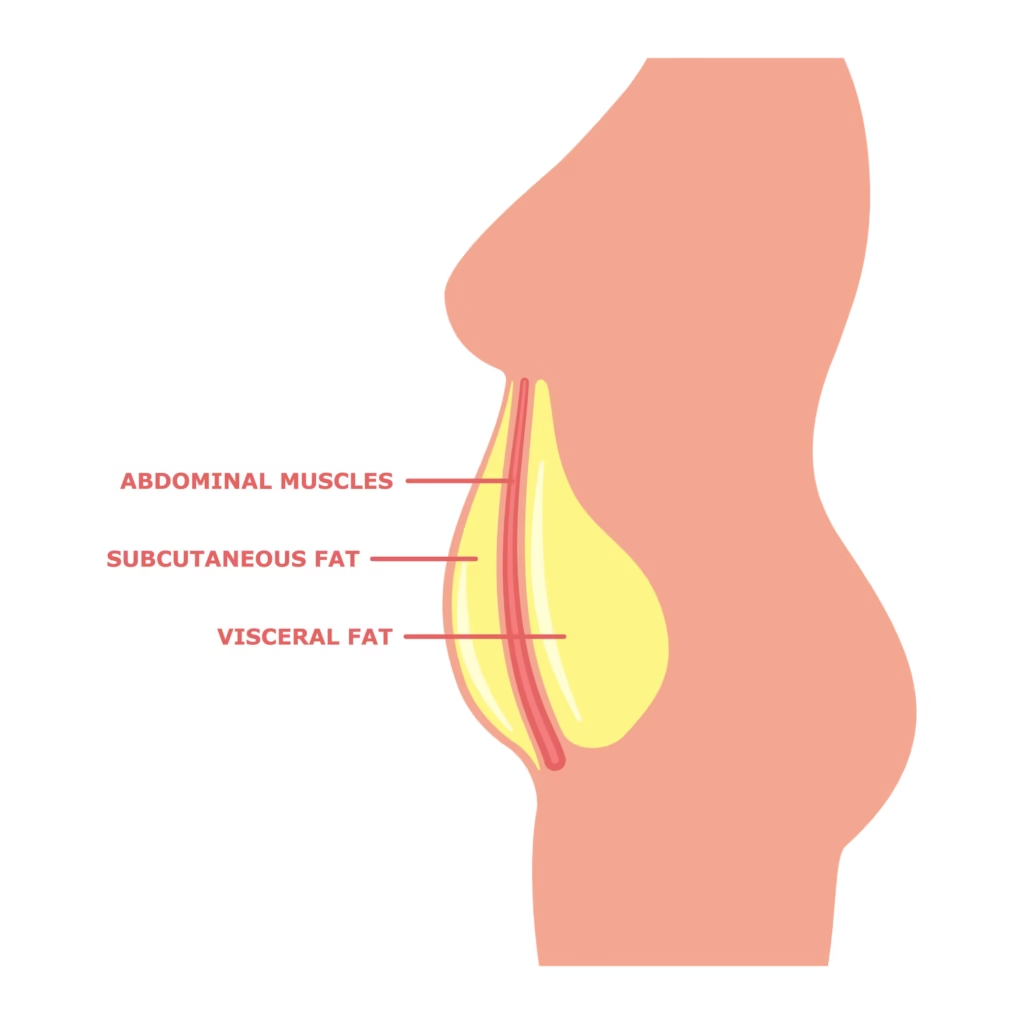
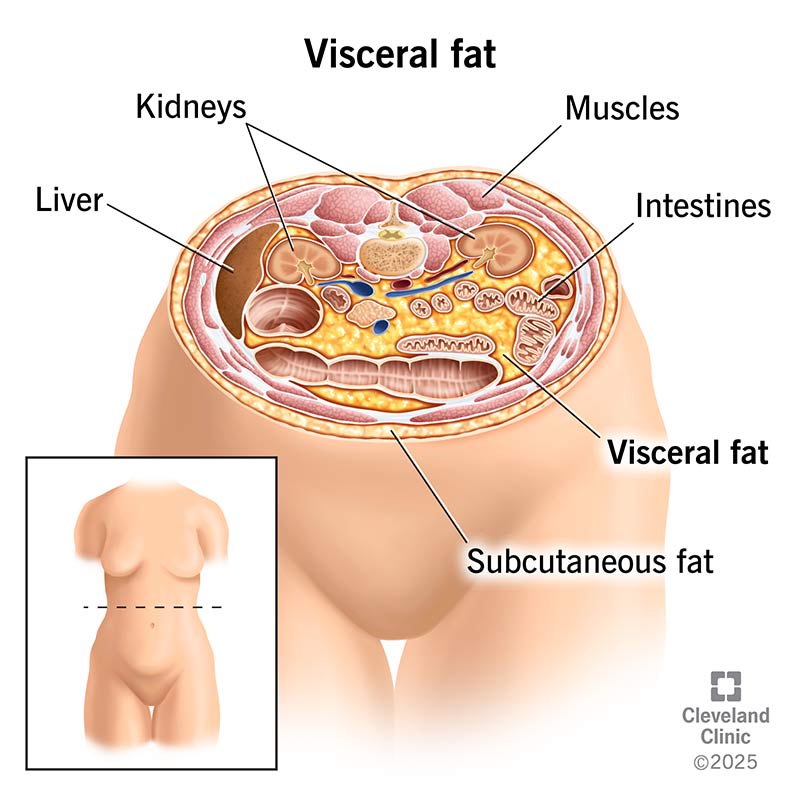
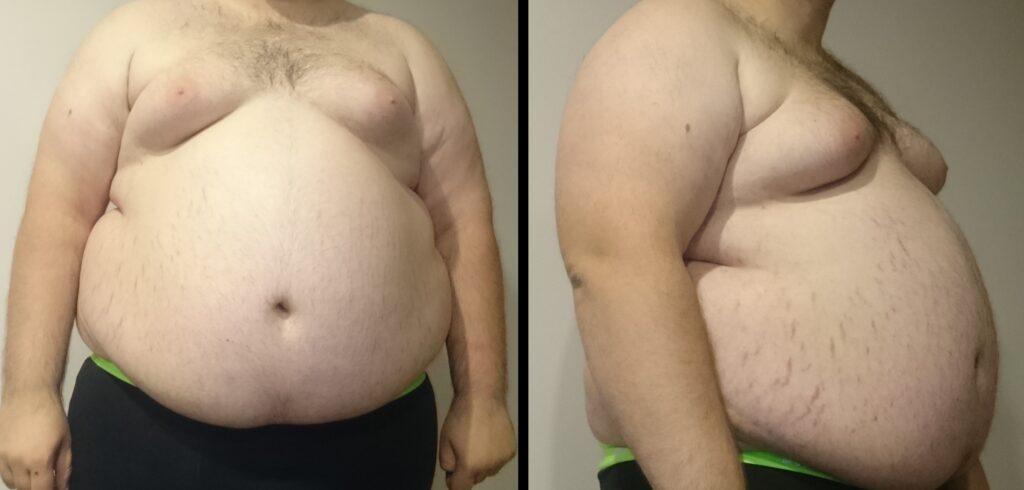
Belly fat — also known as visceral fat — is stored deep inside the abdomen, surrounding vital organs such as the liver, pancreas, and intestines. This type of fat is metabolically active, meaning it releases hormones and inflammatory substances that disrupt normal body functions.

Unlike fat on the hips or thighs, belly fat is closely linked to:

  • insulin resistance

  • fatty liver disease

  • high blood pressure

  • type 2 diabetes

This is why someone can look “not too big” overall but still have a high health risk due to excess belly fat.

Visceral fat (female body)
Visceral fat

The Liver’s Role in Fat Storage

he liver plays a central role in:

  • regulating blood sugar

  • processing fats

  • storing energy

  • detoxifying the body

When we consume excess sugar and refined carbohydrates, especially over long periods, the liver converts the excess into fat for storage. Over time, this fat begins to accumulate inside liver cells.

This condition is known as fatty liver disease, particularly non-alcoholic fatty liver disease (NAFLD) when it is not caused by alcohol.

Many Africans with belly fat already have fat building up in the liver, even if they feel “fine”.

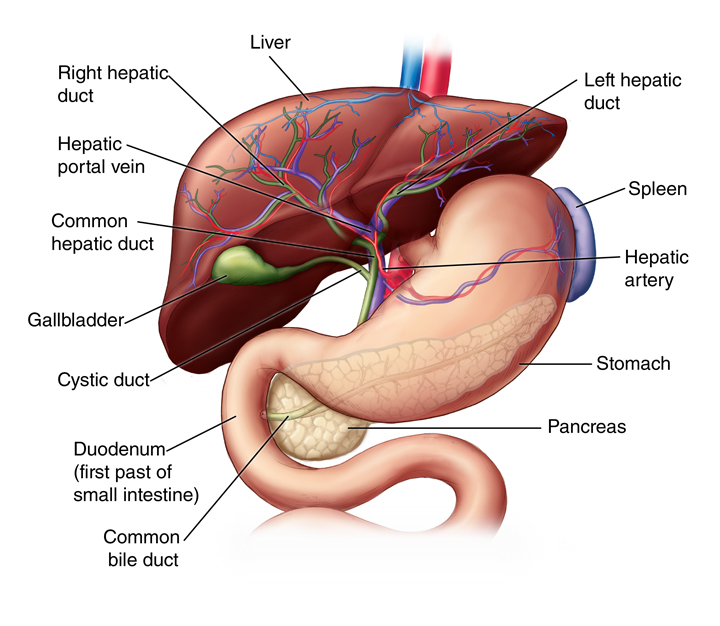
LIVER ANATOMY

Why Belly Fat and Fatty Liver Often Occur Together

The link between belly fat and fatty liver disease is driven mainly by insulin resistance.

When the body becomes resistant to insulin:

  • blood sugar remains high

  • insulin levels stay elevated

  • fat storage increases, especially around the belly and liver

This creates a vicious cycle:

  1. High insulin promotes belly fat

  2. Belly fat worsens insulin resistance

  3. Insulin resistance increases liver fat

  4. Fatty liver further disrupts blood sugar control

Over time, this cycle increases the risk of diabetes, hypertension, and heart disease.

👉 Related reading:
Early Signs of Fatty Liver Disease You Shouldn’t Ignore

Belly Fat Is Not Always About Overeating

Many people assume belly fat is simply caused by eating “too much”. While diet plays a role, the picture is more complex.

Common contributors to belly fat in Africans include:

  • frequent consumption of refined carbohydrates

  • sugary drinks and snacks

  • late-night eating

  • chronic stress

  • poor sleep

  • lack of physical activity

These factors keep insulin levels high, making it easier for fat to accumulate around the abdomen and liver — even when total food intake does not seem excessive.

Signs Your Belly Fat May Be Affecting Your Liver

Fatty liver disease often develops silently. However, some people notice symptoms such as:

  • persistent fatigue

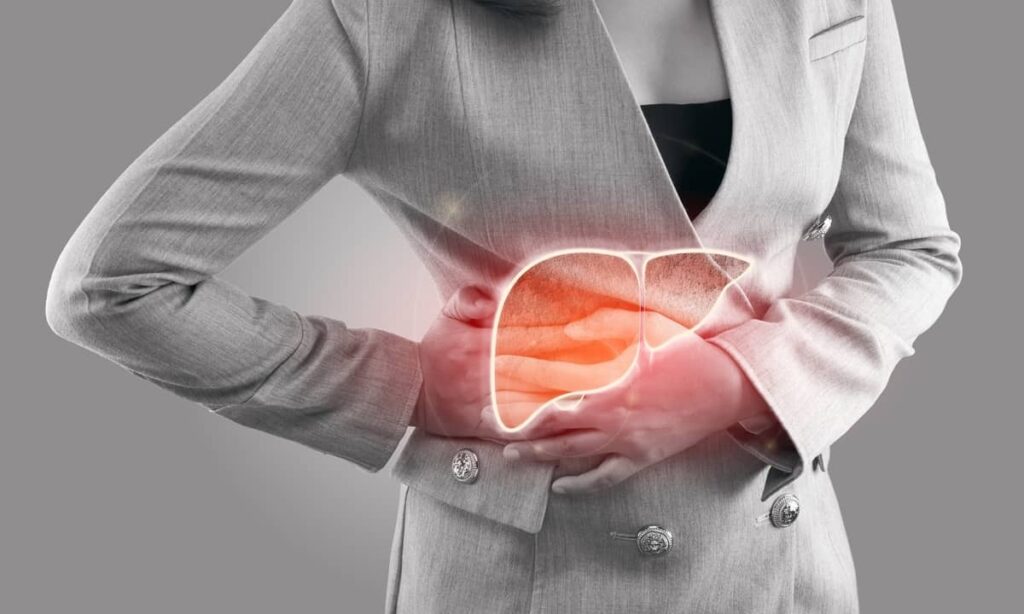
  • discomfort or fullness in the upper right abdomen

  • difficulty losing belly fat despite dieting

  • brain fog or poor concentration

  • abnormal liver enzymes on blood tests

These signs are often dismissed as stress or aging, but they may reflect underlying liver strain.


Belly Fat, Blood Sugar, and Blood Pressure

Belly fat does not affect the liver alone.

Excess visceral fat increases the risk of:

  • type 2 diabetes, by worsening insulin resistance

  • high blood pressure, by promoting inflammation and sodium retention

  • heart disease, by damaging blood vessels

This is why belly fat is a strong predictor of metabolic syndrome, a condition where multiple metabolic problems occur together.

👉 Related reading:
Metabolic Syndrome Explained: How Blood Pressure, Diabetes & Fatty Liver Are Connected

LIVER PAIN

Can Reducing Belly Fat Improve Liver Health?

Can Reducing Belly Fat Improve Liver Health?

Yes — especially in the early stages.

Research and clinical guidance consistently show that modest weight reduction, particularly around the abdomen, can:

  • reduce liver fat

  • improve insulin sensitivity

  • normalise liver enzymes

  • lower blood sugar and blood pressure

Losing just 5–10% of body weight can lead to significant improvement in fatty liver disease for many people.

The goal is not extreme weight loss, but gradual, sustainable changes.

Practical Steps to Support Liver Health and Reduce Belly Fat

1. Reduce Sugar and Refined Carbohydrates

Sugary drinks, pastries, white bread, and constant snacking keep insulin high and drive fat storage.

2. Focus on Whole, Traditional Foods

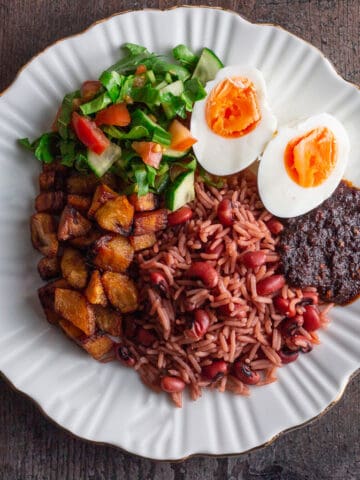
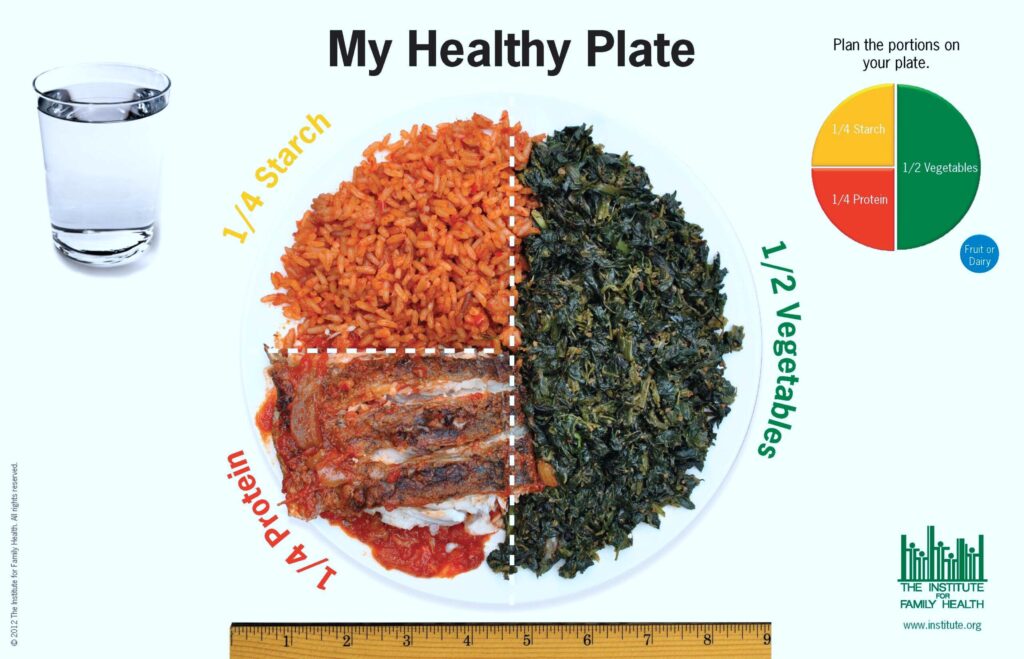
Meals built around vegetables, legumes, lean protein, and healthy fats support better metabolic balance.

3. Watch Meal Timing

Late-night eating worsens insulin resistance. Allowing the body time between meals can help.

👉 Related reading:
Intermittent Fasting Explained: Is It Safe for Africans With Diabetes, Fatty Liver & High Blood Pressure?

4. Move Your Body Regularly

Even daily walking improves insulin sensitivity and helps reduce visceral fat.

5. Manage Stress and Sleep

Chronic stress and poor sleep increase cortisol, which encourages belly fat storage.

Food
My Healthy Plate (West-African-Plate-2015-ENG_Page_1-scaled)
athletic-women-walking-together-on-remote-trail-royalty-free-image-1626378592

When to Seek Medical Advice

If you have:

  • persistent belly fat

  • abnormal liver tests

  • diabetes or pre-diabetes

  • high blood pressure

It is important to discuss liver health with a healthcare professional. Early detection makes a significant difference.

Final Thoughts

Belly fat is not just about appearance.
For many Africans, it is a warning sign.

It may be the body’s way of saying:

“Your liver is under pressure.”

The good news is that the liver is remarkably resilient. With early lifestyle changes, fatty liver disease can improve — and belly fat can reduce — restoring balance to the body.

Awareness is the first step. Action is the next.

Written by
Vivian Okpala
Public Health Educator | Wellness Coach
Founder, VeeVee Health

Share this post

1 thought on “If You Have Belly Fat, Your Liver May Be Struggling”

  1. Pingback: Preventive health focuses on early lifestyle changes to prevent, manage, or reverse chronic diseases like high blood pressure, diabetes, and metabolic conditions.

Leave a Comment

Your email address will not be published. Required fields are marked *

Scroll to Top