Fibroids Symptoms in Women: 9 Warning Signs You Should Not Ignore

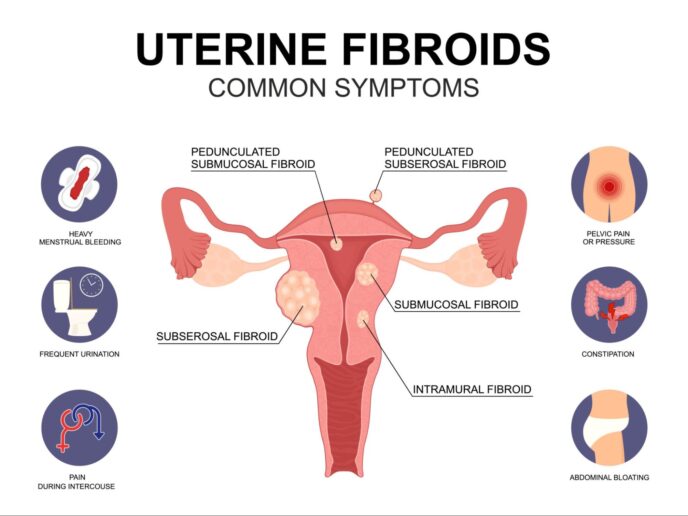
Fibroids symptoms in women including pelvic pain, heavy periods, and abdominal bloating

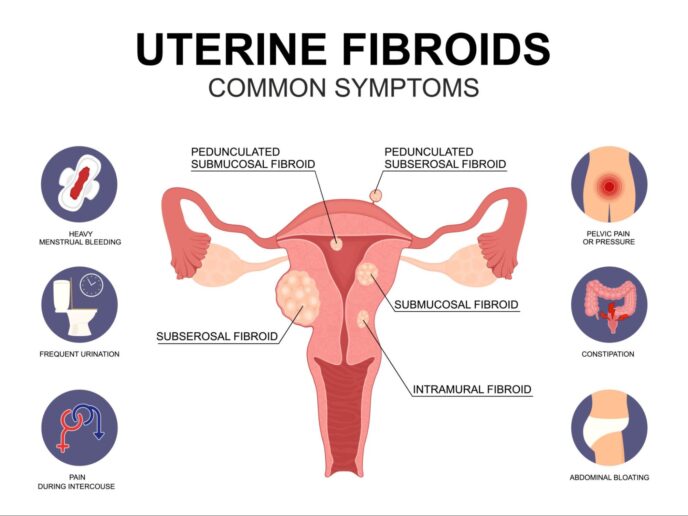
Fibroids symptoms in women can vary widely depending on the size, number, and location of the fibroids. While some women experience no symptoms at all, others live with daily discomfort, heavy bleeding, and fertility challenges without realising fibroids may be the cause.  Uterine fibroids in African women are among the most common yet under-recognised reproductive health conditions, often developing earlier and causing more severe symptoms than in other populations (Mayo Clinic, 2025)

Understanding the early warning signs is crucial for timely diagnosis and effective management, especially for women at higher risk, including African and Black women.

9 Common Fibroids Symptoms in Women

According to Cleveland Clinic 2025, most small fibroids don’t cause any symptoms and don’t require treatment other than regular observation by your healthcare provider. Larger fibroids can cause you to experience a variety of symptoms

1. Heavy or Prolonged Menstrual Bleeding

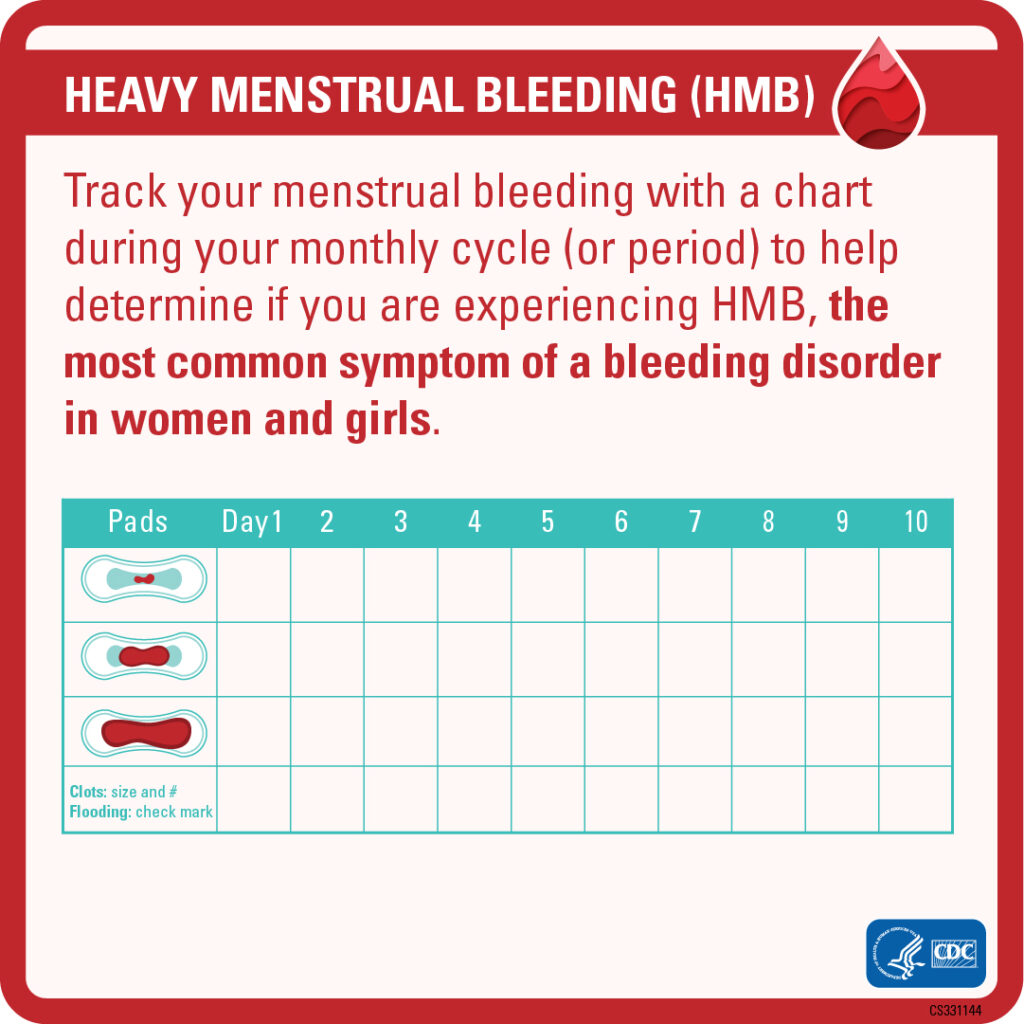
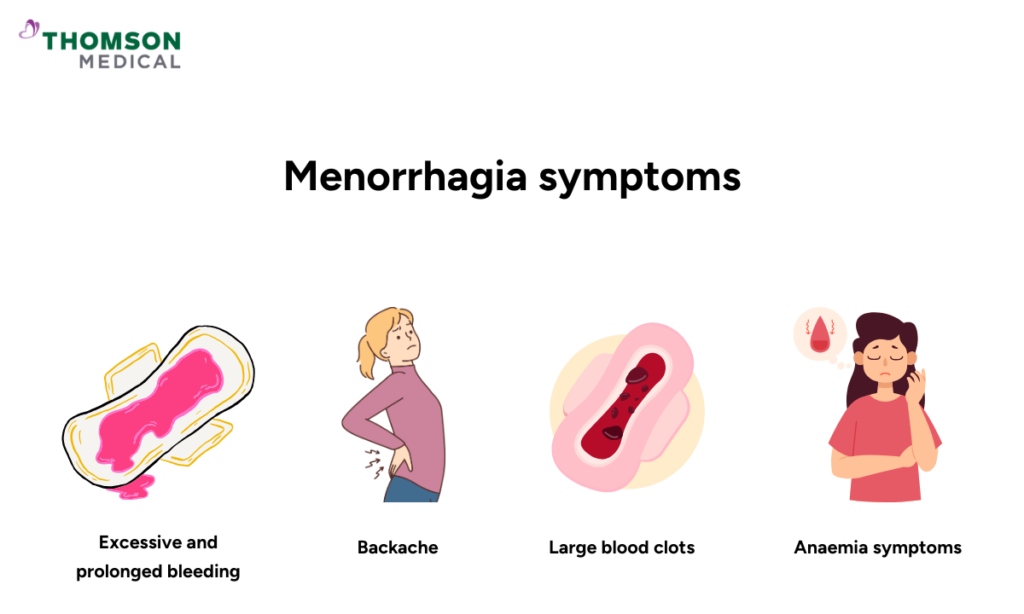
One of the most common fibroids symptoms in women is excessive menstrual bleeding, often lasting longer than seven days. Some women pass large blood clots or need to change sanitary products very frequently.

Heavy menstrual bleeding as a common fibroids symptom in women

2. Painful Periods

Fibroids can cause intense menstrual cramps due to pressure on the uterine walls, making periods unusually painful.

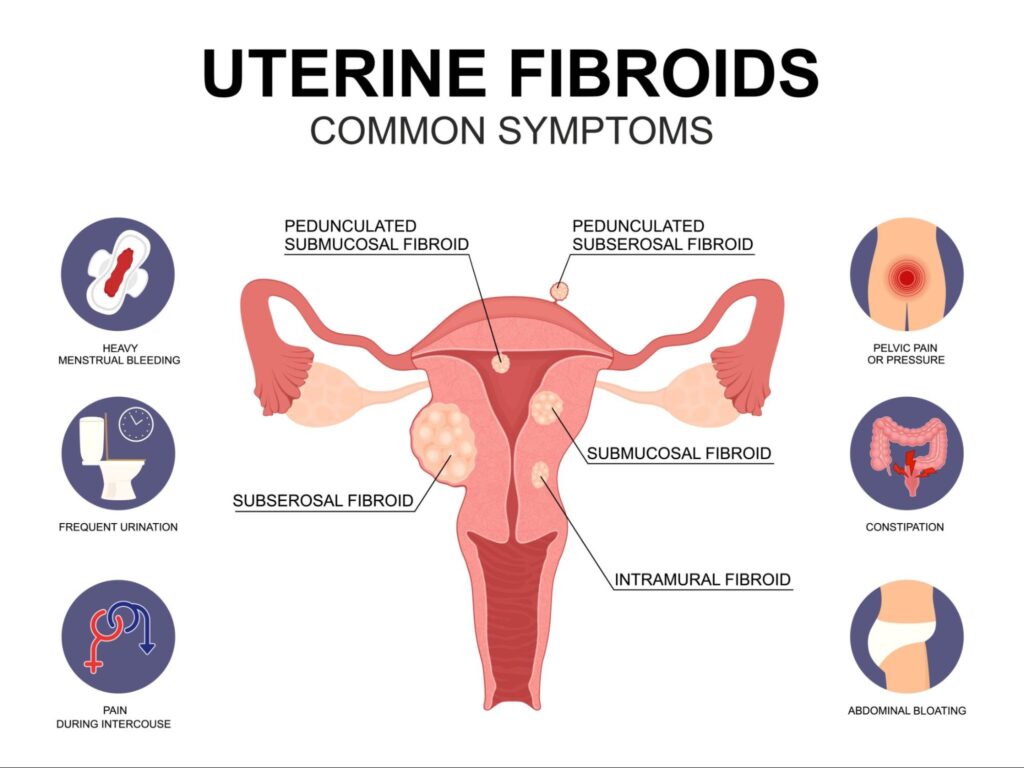
3. Pelvic Pain or Pressure

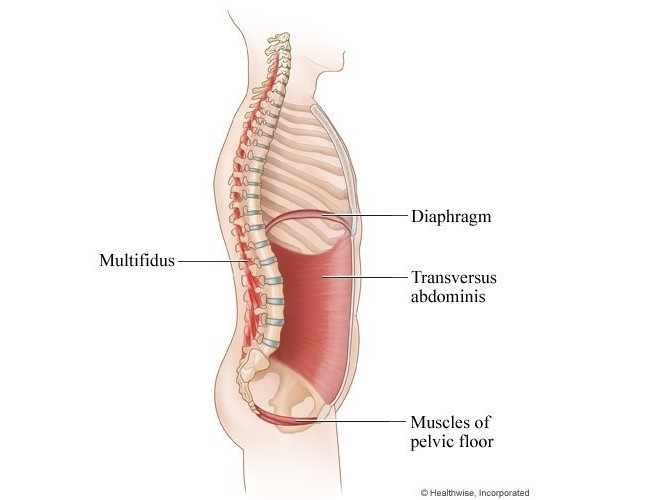
As fibroids grow, they may press against surrounding organs, leading to a constant feeling of heaviness or discomfort in the lower abdomen.

Pelvic pain and pressure caused by uterine fibroids

4. Abdominal Bloating or Enlargement

Many women describe this symptom as “looking pregnant,” even without weight gain. This is especially common with large or multiple fibroids.

5. Frequent Urination

Fibroids that press against the bladder can reduce its capacity, causing frequent trips to the toilet.

6. Constipation

Pressure on the bowel may lead to constipation, bloating, or difficulty passing stool.

7. Pain During Sexual Intercourse

Fibroids located near the cervix or vaginal canal may cause discomfort or pain during sex.

8. Fatigue and Weakness

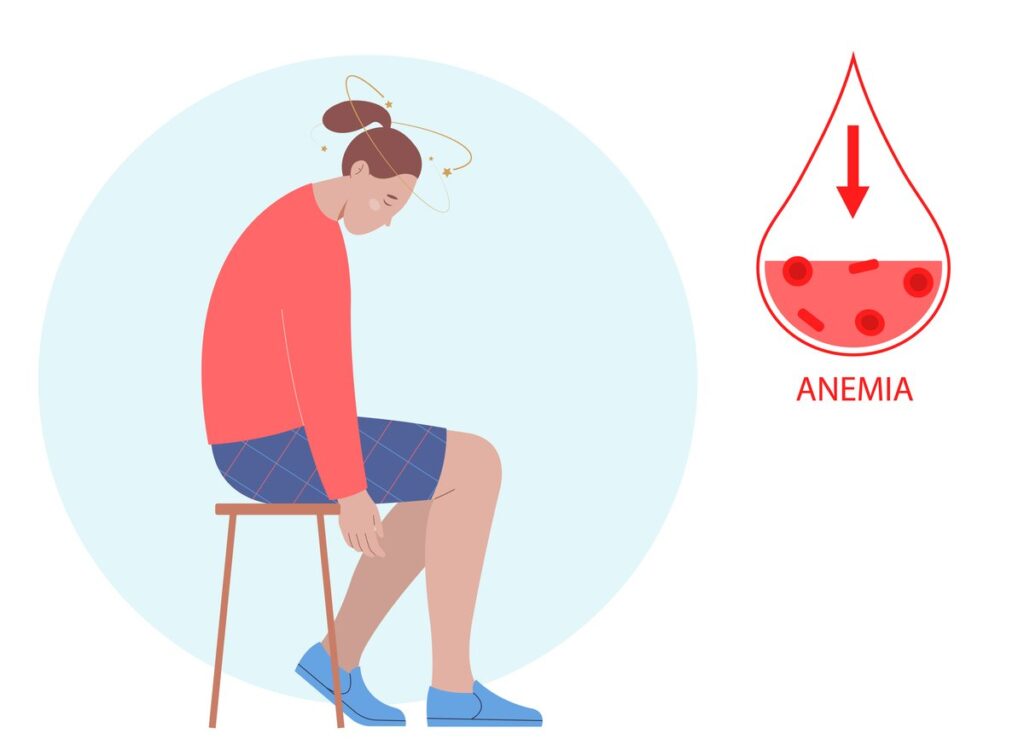
Chronic heavy bleeding can lead to iron-deficiency anaemia, causing tiredness, dizziness, and shortness of breath.

fatigue-anemia-fibroids.jpg

9. Difficulty Getting Pregnant

Certain fibroids can interfere with implantation or block the fallopian tubes, affecting fertility. This is a common concern among women with uterine fibroids in African women, where fibroids are often larger and more numerous.

When Should You See a Doctor?

You should seek medical advice if you experience:

  • Heavy periods that disrupt daily life

  • Persistent pelvic pain

  • Symptoms of anaemia

  • Difficulty conceiving

Early assessment can prevent complications and improve outcomes.

How Are Fibroids Diagnosed?

Doctors typically diagnose fibroids using:

  • Pelvic examination

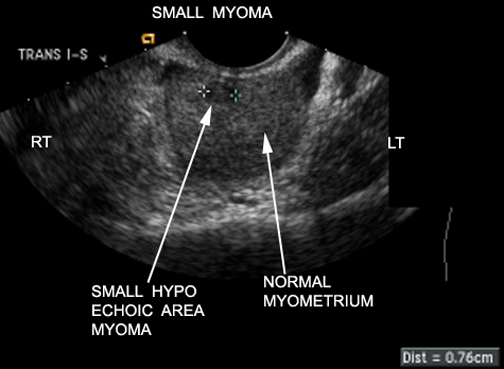
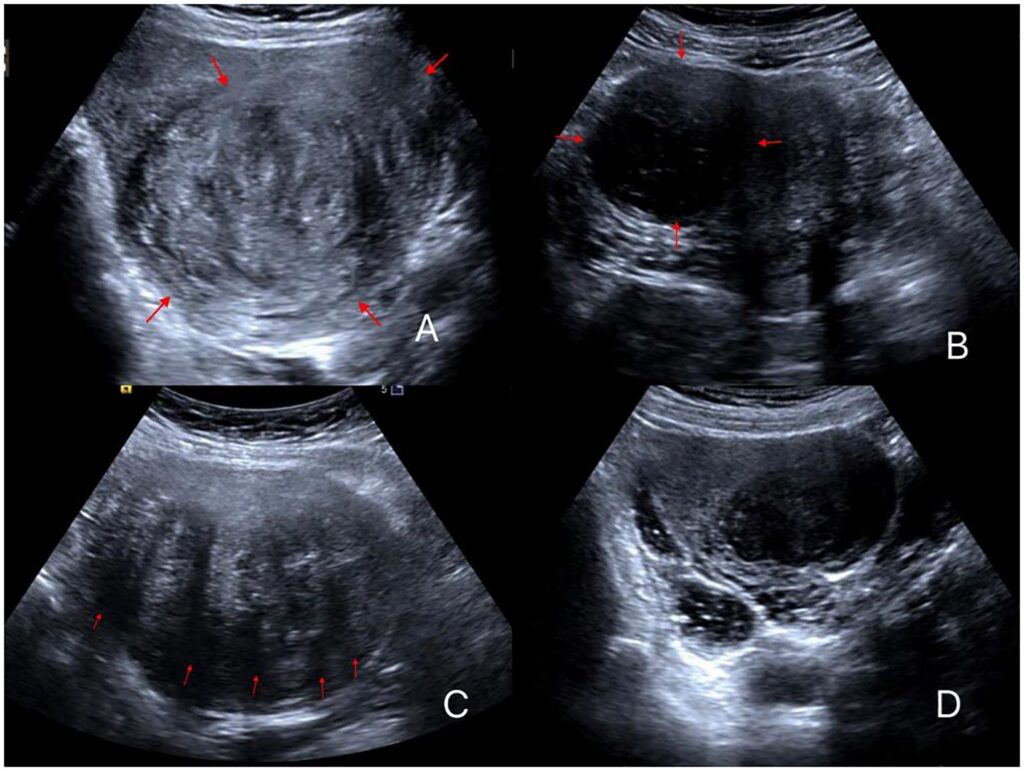
  • Ultrasound scan

  • MRI scan (for detailed assessment)

According to the NHS, uterine fibroids are non-cancerous growths that develop in or around the womb.

👉 Click  https://www.nhs.uk/conditions/fibroids/

Ultrasound scan used to diagnose uterine fibroids

Managing Fibroids Symptoms in Women

Management depends on symptom severity and personal goals such as fertility. Options may include:

  • Lifestyle and dietary changes

  • Medication to manage pain or bleeding

  • Surgical options such as myomectomy

For a detailed understanding of causes, treatments, and fertility implications, read our comprehensive guide on uterine fibroids in African women.

👉Read related: Uterine Fibroids Explained: Why So Many African Women Are Affected, Symptoms, Causes, and Treatment Options


Frequently Asked Questions

Are fibroids symptoms the same for every woman?

No. Some women have no symptoms, while others experience severe discomfort.

Can fibroids symptoms worsen over time?

Yes. Fibroids may grow and symptoms can become more severe if left untreated.

Can fibroids symptoms go away naturally?

Symptoms may reduce after menopause due to lower hormone levels, but this is not guaranteed.

Key Takeaway

Fibroids symptoms in women should never be ignored. Early recognition and proper medical evaluation can prevent complications and improve quality of life.

If you suspect fibroids, seek professional advice and explore treatment options tailored to your needs.

Share this post

Leave a Comment

Your email address will not be published. Required fields are marked *

Scroll to Top