
Fibroids Treatment Options: 7 Effective Ways to Manage Fibroids

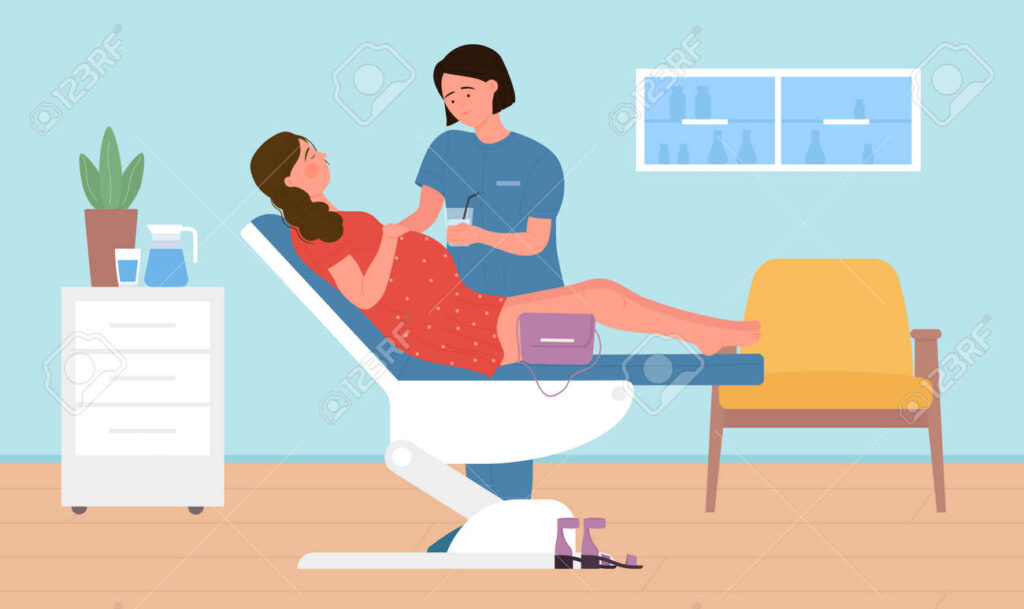
Fibroids treatment options including medication, lifestyle changes, and surgery

Fibroids treatment options depend on several factors, including the size and location of fibroids, severity of symptoms, age, and whether a woman wishes to conceive in the future. While some women require only monitoring, others may need medical or surgical intervention.

Understanding the available options can help women make informed decisions about their health.

Not all fibroids require immediate treatment. Many fibroids are small, slow-growing, and do not cause noticeable symptoms. In such cases, doctors often recommend watchful waiting, where fibroids are monitored over time through regular check-ups and imaging.

However, treatment becomes necessary when fibroids:

  • Cause heavy or prolonged menstrual bleeding

  • Lead to anaemia

  • Cause persistent pelvic pain or pressure

  • Interfere with fertility or pregnancy

  • Affect quality of life

Women with uterine fibroids in African women often experience earlier onset and more severe symptoms, which may necessitate earlier intervention than in other populations.

👉Read Related:

Uterine Fibroids Explained: Why So Many African Women Are Affected, Symptoms, Causes, and Treatment Options

7 Fibroids Treatment Options Explained

1. Watchful Waiting (Monitoring)

Watchful waiting is recommended for women who:

  • Have mild or no symptoms

  • Are nearing menopause

  • Have small, stable fibroids

This approach involves:

  • Regular pelvic examinations

  • Periodic ultrasound or MRI scans

  • Monitoring symptom changes

While watchful waiting avoids unnecessary treatment, it requires consistent follow-up, as fibroids can grow or symptoms may worsen over time.

✔️ No medical intervention
✔️ Suitable for asymptomatic fibroids
❌ Requires close monitoring

2. Lifestyle and Dietary Changes

Lifestyle changes play a supportive role in managing fibroids symptoms, especially in mild cases. Although they do not eliminate fibroids, they may help reduce inflammation, balance hormones, and improve overall wellbeing.

Helpful lifestyle approaches include:

  • Maintaining a healthy weight to reduce oestrogen levels

  • Eating a diet rich in vegetables, fruits, and whole grains

  • Reducing red meat and ultra-processed foods

  • Managing stress through sleep, exercise, and relaxation

These changes may help slow fibroid growth and reduce symptoms such as bloating, pain, and heavy bleeding.

⚠️ Lifestyle changes are supportive, not curative.

3. Medications to Control Symptoms

Medications are often prescribed to manage fibroids-related symptoms rather than remove fibroids themselves. They are commonly used as a first-line treatment or as a temporary measure.

Medications may help:

  • Reduce heavy menstrual bleeding

  • Control pain and cramping

  • Improve quality of life

Commonly used medications include pain relief drugs, hormone-modulating treatments, and medicines that reduce menstrual blood loss.

✔️ Non-surgical
✔️ Symptom relief
❌ Fibroids may return after stopping medication

medication to control symptoms of fibroids

4. Hormonal Treatments

Hormonal treatments work by altering the levels of oestrogen and progesterone, the hormones that influence fibroid growth. These treatments may shrink fibroids temporarily and reduce bleeding.

They are often used:

  • Before surgery to reduce fibroid size

  • For short-term symptom control

  • When fertility preservation is important

Because long-term use may have side effects, hormonal treatments are usually prescribed for limited periods under medical supervision.

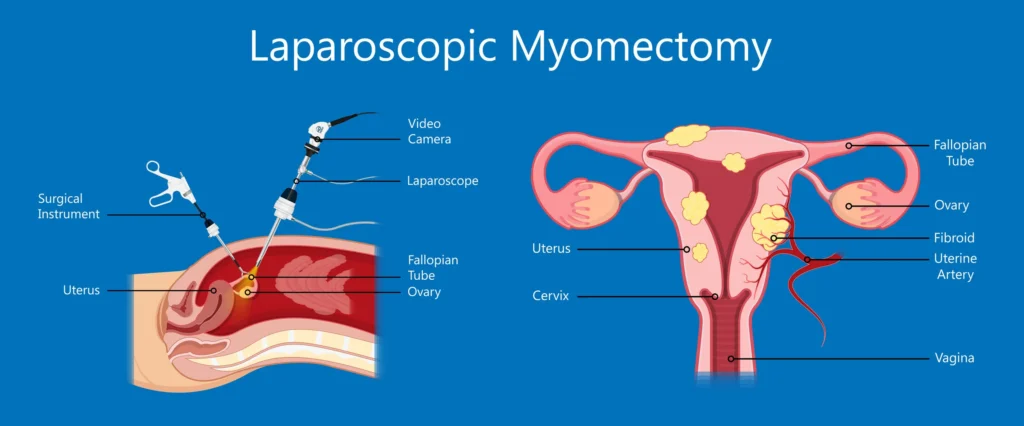
5. Myomectomy (Fibroid Removal Surgery) –

A myomectomy is a surgical procedure that removes fibroids while preserving the uterus. It is the preferred option for women who wish to become pregnant in the future.

Benefits include:

  • Relief from symptoms

  • Preservation of fertility

  • Uterus remains intact

However, fibroids can recur after surgery, especially in younger women or those with multiple fibroids.

✔️ Fertility-preserving
❌ Possibility of recurrence

6. Hysterectomy (Uterus Removal)

A hysterectomy is the complete removal of the uterus and is the only permanent cure for fibroids. It is typically recommended when:

  • Symptoms are severe

  • Other treatments have failed

  • Fertility is no longer desired

While this option eliminates fibroids permanently, it also ends the ability to conceive and requires careful consideration.

✔️ Permanent solution
❌ Loss of fertility

This option is generally considered a last resort.

7. Minimally Invasive Procedures

Minimally invasive procedures aim to shrink or destroy fibroid tissue without removing the uterus. These procedures are less invasive than traditional surgery and often have shorter recovery times.

They may be suitable for women who:

  • Want symptom relief

  • Wish to avoid major surgery

  • Are not planning immediate pregnancy

Not all fibroids are suitable for minimally invasive approaches, so thorough evaluation is essential.

Choosing the Right Fibroids Treatment Option

Choosing the best fibroids treatment option involves a personalised approach. Factors to consider include:

  • Severity of symptoms

  • Size, number, and location of fibroids

  • Age and proximity to menopause

  • Fertility and pregnancy plans

  • Personal preferences and lifestyle

A healthcare provider can help balance these factors and recommend the most appropriate treatment.

External Medical Guidance

According to the NHS, fibroid treatment depends on symptoms, fibroid size, and whether pregnancy is desired.

👉  link: https://www.nhs.uk/conditions/fibroids/

Frequently Asked Questions

What is the best treatment for fibroids?

There is no single best treatment. The ideal option depends on symptoms, age, and fertility goals.

Can fibroids shrink without surgery?

Some fibroids may shrink with hormonal treatment or after menopause, but many do not disappear completely.

Can fibroids return after treatment?

Yes. Fibroids can recur, particularly after myomectomy.

Key Takeaway

Fibroids treatment options range from lifestyle changes to surgery. Early diagnosis, proper evaluation, and personalised care are essential for effective management and improved quality of life.

For a complete understanding of symptoms, causes, and fertility implications, read our detailed guide on uterine fibroids in African women.

👉 Uterine Fibroids in African Women: 7 Important Causes, Symptoms & Treatment Explained

Understanding available fibroids treatment options helps women make informed decisions about their reproductive health.

Share this post

Leave a Comment

Your email address will not be published. Required fields are marked *

Scroll to Top