

Belly fat in women over 35 starts to increase. Even when eating the same foods or exercising regularly, fat begins to settle around the stomach area. This type of fat, often called belly fat or visceral fat, is not just a cosmetic concern—it is closely linked to hormonal changes, metabolism, and long-term health risks.
Understanding why belly fat becomes more common after 35 is the first step towards managing it effectively and safely.
Table of Contents
ToggleWhat Is Belly Fat in Women Over 35?
Belly fat includes:
Subcutaneous fat – fat stored just under the skin
Visceral fat – fat stored deep around internal organs
Visceral fat is more dangerous because it increases the risk of:
Type 2 diabetes
High blood pressure
Heart disease
Hormonal imbalance
According to the NHS, excess abdominal fat is linked to a higher risk of metabolic and cardiovascular conditions.
Hormonal Changes and Belly Fat in Women Over 35
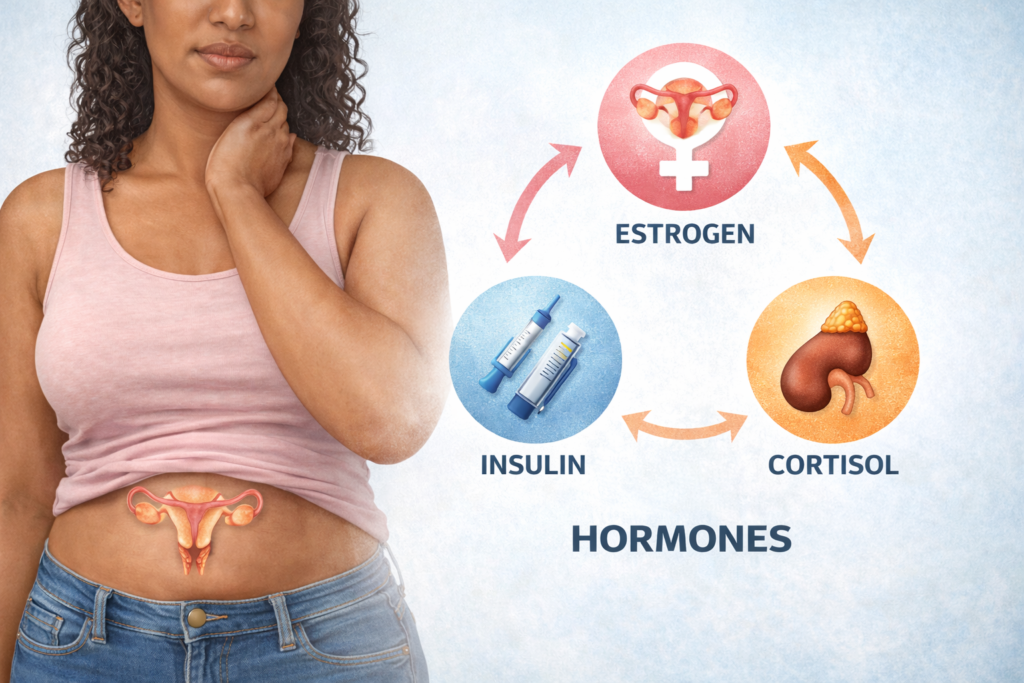
One of the biggest reasons belly fat increases after 35 is hormonal fluctuation.
Decline in Oestrogen
As women approach perimenopause, oestrogen levels begin to decline. Lower oestrogen shifts fat storage from the hips and thighs to the abdomen.
The British Menopause Society explains that hormonal changes during midlife significantly influence body fat distribution.
Slower Metabolism
From the mid-30s, metabolism naturally slows due to:
Loss of muscle mass
Reduced physical activity
Hormonal changes
This means the body burns fewer calories at rest, making weight gain easier even without dietary changes.
The CDC confirms that muscle loss with age contributes to metabolic slowdown, thereby causing belly fat in women over 35
Struggling with stubborn belly fat?
👉 Book a personalised women’s health consultation with VeeVee Health.
Increased Stress and Cortisol
Stress plays a major role in belly fat accumulation.
The Cortisol Connection
Chronic stress increases cortisol, a hormone that encourages fat storage around the abdomen. Work pressure, caregiving responsibilities, poor sleep, and mental overload all contribute.
The World Health Organization (WHO) highlights stress as a major contributor to lifestyle-related health conditions.
Insulin Resistance and Blood Sugar Changes
As women age, insulin sensitivity may decrease, leading to higher blood sugar levels. Excess glucose is often stored as fat, particularly around the abdomen.
This explains why belly fat is common in women with:
Prediabetes
Type 2 diabetes
Polycystic Ovary Syndrome (PCOS)
🔗 Internal link suggestion:
👉 Diabetes and Blood Sugar Control (your pillar post)
Poor Sleep Quality
Lack of quality sleep disrupts hormones that control hunger and fullness.
Poor sleep:
Increases appetite
Raises cortisol
Reduces fat-burning hormones
The NHS links poor sleep with weight gain and metabolic issues.
Diet Choices and Portion Size
As metabolism slows, eating the same portions as before can lead to gradual fat gain.
Common contributors include:
Refined carbohydrates
Sugary drinks
Late-night eating
Low protein intake
🔗 Internal link suggestion:
👉 Best Nigerian Foods for Weight Management
Health Risks of Excess Belly Fat
Excess belly fat increases the risk of:
High blood pressure
Type 2 diabetes
Heart disease
Fatty liver disease
Hormonal imbalance
🔗 Internal link:
👉 High Blood Pressure: Causes, Signs and Symptoms, and Management
How to Reduce Belly Fat Safely After 35
The goal is hormone-friendly fat loss, not extreme dieting.
Practical Strategies
Focus on protein-rich meals
Strength training 2–3 times weekly
Reduce refined carbs and sugar
Manage stress intentionally
Prioritise quality sleep
Avoid skipping meals
Small, consistent changes are more effective than drastic measures.

When to Seek Professional Guidance
If belly fat is increasing despite healthy habits, it may indicate:
Hormonal imbalance
Thyroid issues
Insulin resistance
A personalised health review can help identify the root cause.
Conclusion
Belly fat after 35 is common, but it is not inevitable. Hormonal changes, stress, metabolism, sleep, and diet all play a role. Understanding these factors allows women to take a smarter, healthier approach to weight management.
The focus should be on balance, consistency, and long-term health, not quick fixes.
Take control of your health today.
👉 Book a consultation or explore more women’s health resources on VeeVee Health.
Pingback: Calories and Weight Gain: What You Should Know for Healthy Living
Pingback: 7 Common High-Calorie Foods That Cause Weight Gain You Should Avoid | VeeVee Health
Pingback: 10 Nigerian Superfoods That Boost Health, Blood Pressure & Blood Sugar