
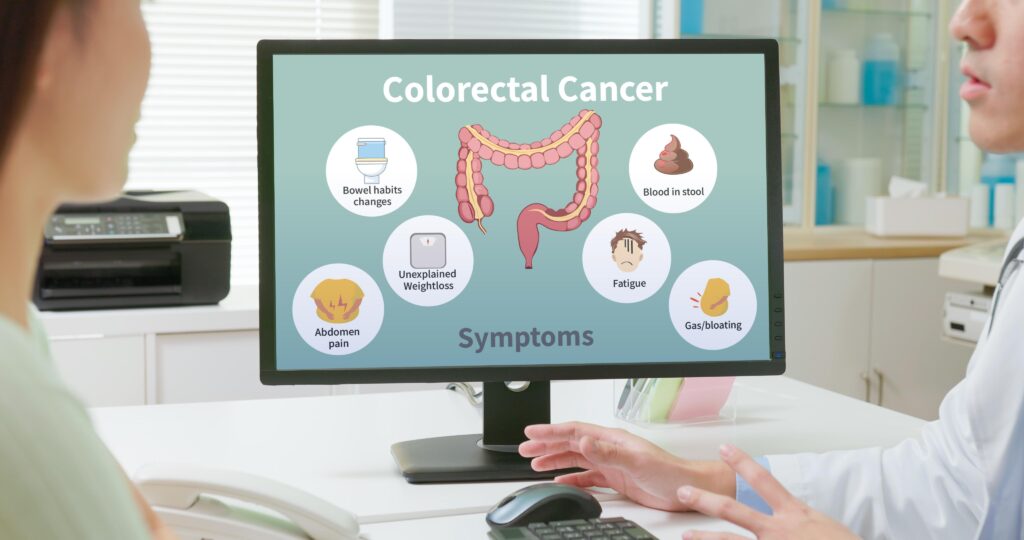
Colorectal cancer which can also be called colon cancer or bowel cancer is one of the most common cancers worldwide, yet it remains one of the most preventable when detected early and managed with healthy lifestyle choices. In this detailed guide on colorectal cancer, you will learn what it is, its causes, symptoms, screening methods, and how simple daily habits can significantly reduce your risk of colorectal cancer.
If you care about your gut health, longevity, and overall wellbeing, understanding this condition is no longer optional — it is essential.
According to World Health Organization, colorectal cancer ranks among the leading causes of cancer-related deaths globally, affecting millions of people every year.
Table of Contents
ToggleWhat Is Colorectal Cancer?
Colorectal cancer is cancer that develops in the colon (large intestine) or rectum. Most colorectal cancer cases begin as small growths called polyps on the inner lining of the colon. Over time, some of these polyps become cancerous.
The danger with disease is that it often develops silently. Many people havebowel cancer for years without noticeable symptoms. This is why bowel cancer screening is so important. According to the World Health Organization, colon cancer is among the leading causes of cancer deaths worldwide.
Why Colorectal Cancer Awareness Matters
Colorectal cancer is increasing, especially among younger adults. Years ago, colorectal cancer was mostly seen in people over 60. Today, more people in their 30s and 40s are being diagnosed with colorectal cancer.
Reasons include:
Poor diet
Processed foods
Sedentary lifestyle
Obesity
Chronic stress
Gut microbiome imbalance
Colorectal cancer is no longer just an “old age disease.”
Common Causes and Risk Factors of Colorectal Cancer
Colorectal cancer does not usually appear overnight. In most cases, colorectal cancer develops slowly due to a combination of genetic, lifestyle, dietary, and environmental factors. While some causes of colorectal cancer are beyond our control, many are directly linked to everyday habits.
Let’s break them down.
Age and Colorectal Cancer Risk
Age remains one of the strongest risk factors for colorectal cancer.
Why Age Matters
As we age:
Cells accumulate DNA damage
Gut lining regenerates more slowly
Inflammation increases
Immune surveillance weakens
This creates a favorable environment for this condition to develop.
Although it is traditionally associated with people over 50, younger adults are now increasingly affected.
Family History and Genetic Risk
Some people inherit genes that increase their risk.
Who Is at Higher Risk?
You are at higher risk if:
A parent or sibling had colorectal cancer
There is a history of colon polyps in your family
There is hereditary cancer syndrome
Genetics alone do not guarantee colorectal cancer, but they increase vulnerability.
Lifestyle still plays a powerful role.
Diet-Related Causes of Colorectal Cancer
Your diet is one of the strongest modifiable risk factors for this condition.
Low Fibre Intake
Low-fibre diets slow bowel movement, allowing toxins to remain longer in the colon.
This prolonged exposure irritates the colon lining and promotes colon cancer development.
High Consumption of Processed and Red Meat
Frequent intake of:
Sausages
Bacon
Hot dogs
Burgers
Processed suya
has been strongly linked to colorectal cancer.
These meats contain compounds that damage colon cells and trigger inflammation.
Obesity and Metabolic Dysfunction
Excess body fat increases colon cancer risk through:
Chronic Inflammation
Fat tissue releases inflammatory chemicals that encourage cancer growth.
Insulin Resistance
High insulin levels promote abnormal cell division in the colon.
Hormonal Imbalance
Obesity disrupts hormones that normally regulate cell growth.
Physical Inactivity and Sedentary Lifestyle
Sitting for long periods reduces bowel motility.
This allows waste products to stay longer in the colon, increasing exposure to carcinogens and raising colorectal cancer risk.
Daily movement protects colon health.
Smoking and Alcohol
Both smoking and alcohol directly damage DNA in colon cells.
Smoking introduces toxins into the bloodstream, while alcohol breaks down into acetaldehyde — a known carcinogen.
Together, they significantly raise colorectal cancer risk.
Chronic Gut Inflammation
Long-term inflammation in the digestive tract damages the colon lining.
This repeated injury and repair cycle increases the likelihood of colon cancer formation.
How Colorectal Cancer Develops (Step-by-Step)
The Silent Progression of Colorectal Cancer
Colorectal cancer usually develops over several years, often without symptoms in the early stages.
Understanding this progression explains why screening is so powerful.
Stage 1: Normal Colon Lining
At first, the colon lining is healthy.
Cells divide normally and waste passes smoothly through the bowel.
Stage 2: Formation of Polyps
Small growths called polyps begin forming on the colon wall.
Important Note
Most polyps are harmless.
However, some (adenomatous polyps) have the potential to become colorectal cancer.
Stage 3: Polyp Growth and Cellular Mutation
Over time:
Polyps grow larger
Cells accumulate mutations
Inflammation increases
This stage often produces no symptoms.
Stage 4: Transformation Into Colorectal Cancer
Some polyps eventually turn cancerous.
Once this happens, colorectal cancer begins invading deeper layers of the colon.
Stage 5: Spread (Metastasis)
If untreated,this cancer can spread to:
Lymph nodes
Liver
Lungs
Other organs
This is why early detection saves lives.
Timeline of Development
From polyp to full colorectal cancer typically takes 5–10 years.
This long window gives us time to prevent colorectal cancer through screening and lifestyle changes.
Why Colorectal Cancer Is Increasing in Young People
A Growing Public Health Concern
This condition is no longer a disease of older adults.
Rates of colorectal cancer are rising rapidly in people under 50, and researchers believe modern lifestyle plays a major role.
Ultra-Processed Foods
Young people today consume far more:
Sugary drinks
Packaged snacks
Fast foods
Refined carbohydrates
These foods:
Damage Gut Bacteria
Poor diets reduce beneficial gut microbes that protect the colon.
Increase Inflammation
Processed foods promote chronic low-grade inflammation.
Both factors increase colorectal cancer risk.
Sedentary Digital Lifestyle
Modern life involves:
Long hours on phones
Desk jobs
Reduced physical movement
This slows digestion and weakens metabolic health, contributing to colorectal cancer.
Rising Obesity in Youth
Childhood and young adult obesity are rising globally.
Early obesity exposes the colon to years of inflammation and insulin resistance — increasing lifetime colorectal cancer risk.
Chronic Stress and Sleep Deprivation
Stress hormones affect gut function and immune defense.
Poor sleep disrupts metabolic repair.
Together, they silently increase vulnerability to colorectal cancer.
Gut Microbiome Imbalance
Antibiotics, poor diet, and stress disrupt gut bacteria.
An unhealthy microbiome weakens colon protection and increases inflammation — both linked to colorectal cancer.
The Bigger Picture
Today’s younger generation is exposed earlier to:
Processed foods
Environmental toxins
Sedentary habits
Chronic stress
This explains why colorectal cancer is appearing decades earlier than before.
Colorectal Cancer Screening: Your Lifesaver
Screening detects colorectal cancer early or removes precancerous polyps before cancer develops.
Common screening tests include:
Stool tests (FIT)
Colonoscopy
CT colonography
Early-stage colorectal cancer has over 90% survival.
Late-stage colorectal cancer survival drops sharply.
Screening saves lives.
Why Colorectal Cancer Is Rising in Young Adults
Emerging research links early-onset colorectal cancer to:
Ultra-processed foods
Sugar-heavy diets
Gut microbiome disruption
Sedentary lifestyle
Chronic stress
Obesity
Modern living is silently damaging gut health.
The Powerful Role of Gut Health in Colorectal Cancer Prevention
Your gut bacteria influence:
Inflammation levels
Immune defense
Colon lining integrity
A healthy gut protects against colorectal cancer.
A damaged gut increases risk.
Learn more about improving gut health in our guide on blood sugar balance.
Click on this Link to Best Nigerian Foods for Managing Diabetes
Foods That Help Protect Against Colorectal Cancer
Your plate is your first medicine
Fibre-Rich Foods
Beans
Lentils
Oats
Brown rice
Sweet potatoes
Nigerian Vegetables That Support Colon Health
Ugu (fluted pumpkin)
Okra
Bitter leaf
Garden egg
Spinach
Fruits
Pawpaw
Guava
Oranges
Apples
Berries
Healthy Fats
Avocado
Olive oil
Nuts
Seeds
Lifestyle Habits That Reduce Colorectal Cancer Risk
Move Daily
30 minutes of walking lowers colorectal cancer risk.
Maintain Healthy Weight
Obesity is a strong colorectal cancer driver.
Limit Alcohol
Excess alcohol increases colorectal cancer risk.
Quit Smoking
Smoking damages colon cells.
Manage Stress
Chronic stress affects gut bacteria and inflammation.
Can Intermittent Fasting Help With Colorectal Cancer Prevention?
Emerging research suggests intermittent fasting may:
Improve insulin sensitivity
Reduce inflammation
Support gut repair
Promote metabolic health
These factors indirectly reduce colon cancer risk when combined with healthy eating.
Intermittent fasting is not magic — it works best alongside proper nutrition.
When Should You See a Doctor?
Seek medical advice immediately if you notice:
Blood in stool
Ongoing bowel changes
Persistent abdominal pain
Severe fatigue
Sudden weight loss
Early action saves lives.
Colorectal Cancer Is Preventable
Most cases are linked to lifestyle.
Prevention starts with:
Fibre
Movement
Weight control
Screening
Awareness
Frequently Asked Questions About Colorectal Cancer
What is colorectal cancer?
Is it common?
Can young people get colon cancer?
What foods increase colon cancer risk?
Can colon cancer be prevented?
Does fibre help prevent this bowel cancer?
Final Words from VeeVee Health
this type of cancer is not just a medical issue.
It is a lifestyle issue.
It is a gut health issue.
It is a prevention issue.
Your daily choices shape your future health.
Protect your gut.
Eat fibre.
Move your body.
Manage stress.
Get screened.
Processed food have done more harm than good.
colorectal cancer develops slowly due to a combination of genetic, lifestyle, dietary, and environmental factors. While some causes of colorectal cancer are beyond our control, many are directly linked to everyday habits.
Many people have bowel cancer for years without noticeable symptoms. This is why bowel cancer screening is so important
Quarterly check ups that’s going for check up every 3 months should be something not to joke with. But we always neglect our health until we’re down.
Can frequent defecation be caused by colorectal cancer?
Awareness and prevention are the key in the fight against Colorectal cancer.
Colorectal cancer is known as colon or bowel cancer. It’s develop in the cells lining the Colon or rectum. Colorectal cancer awareness is key!
Let’s prioritise our health and spread awareness about the risks and prevention Strategies for Colorectal cancer.
Awareness and understanding of the early symptoms and preventive measures of these deadly illnesses are very important.
Momma u are a genius, thanks for the update ma 🙏
As long as eating poorly causes colon cancer all Nigerians will be involved but I thank God who gives us fruits and vegetables which helps to prevent it.
Thank you so much for creating awareness on this issue of colon cancer because many old people are battle with it.
Too much sitting is another problem on this issue because workers and traders are always sat one place. Obese people should be careful and maintain their weight too.
Good info . Thankyou.