
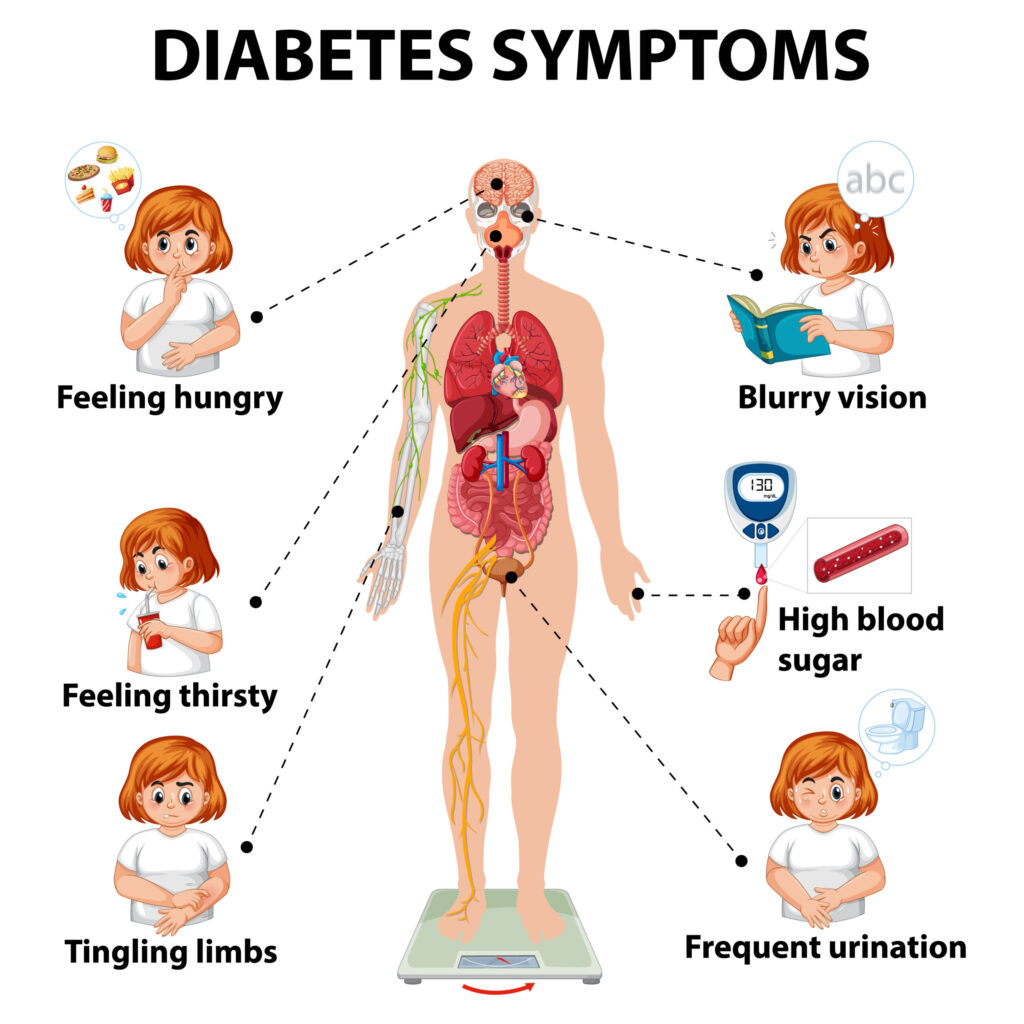
Early signs of diabetes often appear quietly and are easy to ignore until serious health problems develop.
Diabetes rarely develops overnight. In many people, especially those with type 2 diabetes, the condition progresses silently for months or even years before diagnosis. During this time, the body sends subtle warning signals that are often mistaken for stress, ageing, dehydration, or lifestyle fatigue. Ignoring these early signs can delay diagnosis and increase the risk of complications affecting the heart, kidneys, eyes, and nerves. Recognising these symptoms early allows for timely testing, lifestyle changes, and better long-term outcomes. According to the World Health Organization, early detection and lifestyle intervention can prevent or delay serious diabetes-related complications.
Table of Contents
Toggle1️⃣ Frequent Urination (Polyuria)
One of the earliest and most common warning signs of diabetes is frequent urination, especially at night. When blood sugar levels rise above normal, the kidneys struggle to reabsorb excess glucose. As a result, glucose is excreted in the urine, pulling extra water with it. This leads to increased urine production and frequent trips to the bathroom.
Many people dismiss this symptom as increased fluid intake or ageing, but persistent frequent urination without a clear cause may indicate high blood sugar levels.
2️⃣ Excessive Thirst (Polydipsia)
Excessive thirst often occurs alongside frequent urination. As the body loses more fluids through urine, it triggers an intense need to drink water to prevent dehydration. This thirst may feel unquenchable, even after drinking large amounts of fluids.
Persistent thirst that does not improve with adequate hydration should not be ignored, particularly when combined with other symptoms such as fatigue or increased urination.
3️⃣ Unexplained Fatigue
Ongoing tiredness and low energy levels are common early signs of diabetes. When glucose cannot effectively enter the body’s cells due to insulin resistance or insufficient insulin, the cells are deprived of energy. This leads to persistent fatigue, even after adequate sleep or rest.
Many people attribute this symptom to stress or busy schedules, but chronic fatigue may be a sign that blood sugar regulation is impaired.
4️⃣ Blurred Vision
High blood sugar levels can cause temporary changes in the shape of the eye’s lens due to fluid shifts. This results in blurred or fluctuating vision. While vision may improve once blood sugar stabilises, repeated episodes can increase the risk of long-term eye damage.
Any unexplained changes in vision should be taken seriously and assessed by a healthcare professional.
.
5️⃣ Slow Healing of Wounds and Infections
Slow healing of cuts, bruises, or sores is another early indicator of diabetes. Elevated blood sugar can impair blood circulation and weaken immune responses, making it harder for the body to repair tissues and fight infections.
Frequent skin infections, gum infections, or recurring urinary tract infections may also signal poor blood sugar control.
6️⃣ Increased Hunger (Polyphagia)
Despite eating regularly, some individuals experience persistent hunger. This happens when glucose remains in the bloodstream instead of entering cells to provide energy. As a result, the body sends signals to eat more, even when caloric intake is sufficient.
Unexplained hunger, especially when accompanied by fatigue or weight changes, may indicate underlying blood sugar imbalance.
7️⃣ Tingling or Numbness in Hands and Feet
Tingling, numbness, or burning sensations in the hands and feet can occur when prolonged high blood sugar begins to affect the nerves. This early nerve involvement is often subtle but should not be ignored, as it may progress to diabetic neuropathy if left unmanaged.
8️⃣ Unintentional Weight Loss
Some people experience unexpected weight loss despite normal or increased food intake. When the body cannot use glucose for energy, it begins breaking down fat and muscle instead. This symptom is more common in type 1 diabetes but can also occur in undiagnosed type 2 diabetes.
When to See a Doctor
If you experience one or more of these symptoms persistently, it is important to seek medical advice. Blood tests such as fasting blood glucose or HbA1c can help confirm whether blood sugar levels are within a healthy range. Early diagnosis allows for effective management and reduces the risk of complications.
For a complete understanding of diabetes, including its causes, types, and long-term management, read our in-depth guide on diabetes causes, symptoms, and management.
Concerned about your blood sugar health?
Explore more diabetes-focused education on VeeVee Health or book a personalised consultation for practical nutrition and lifestyle guidance.
Stay on top of your health. Get Checked out, if you are feeling thirsty all the time! @ Veevee health!
Take care of yourself. Get treated if you are are always feeling thirsty!
Diabetes can cause polyphagia, it makes someone eat regularly this occurs when glucose remains in the bloodstream instead of entering cells to provide energy
Any blurred or fluctuation vision should be taken seriously and assessed by a healthcare professional
Keep sharing veevee Health
Pingback: Early Signs of Kidney Disease You Should Not Ignore (Diabetes & High Blood Pressure Risk)
Pingback: 7 Everyday Habits That Raise Blood Sugar: Dangerous and Unhealthy Triggers Even If You’re Not Diabetic
Pingback: 10 Hidden Effects of Stress on Blood Pressure, Blood Sugar, and Weight
Pingback: 10 Nigerian Superfoods That Boost Health, Blood Pressure & Blood Sugar