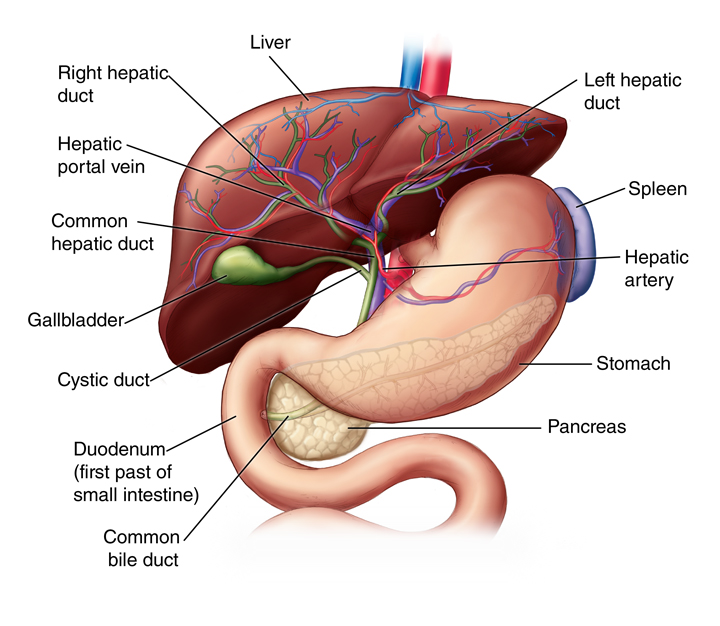
Early signs of fatty liver disease are often subtle, easily overlooked, and commonly mistaken for everyday tiredness or weight gain. Fatty liver disease develops when excess fat accumulates in the liver, interfering with its ability to regulate blood sugar, process fats, and remove toxins from the body. Many people live with fatty liver disease for years without knowing, until inflammation, liver damage, or metabolic complications begin to appear.
Fatty liver disease is one of the most common yet overlooked health conditions worldwide. It occurs when excess fat builds up in liver cells, impairing the liver’s ability to function properly.
According to the World Health Organization, fatty liver disease is now closely linked to rising rates of obesity, type 2 diabetes, insulin resistance, and sedentary lifestyles. In the UK, the NHS recognises non-alcoholic fatty liver disease (NAFLD) as one of the leading causes of chronic liver disease.
The most dangerous thing about fatty liver disease?
Many people have it and don’t know — until liver damage has already begun.
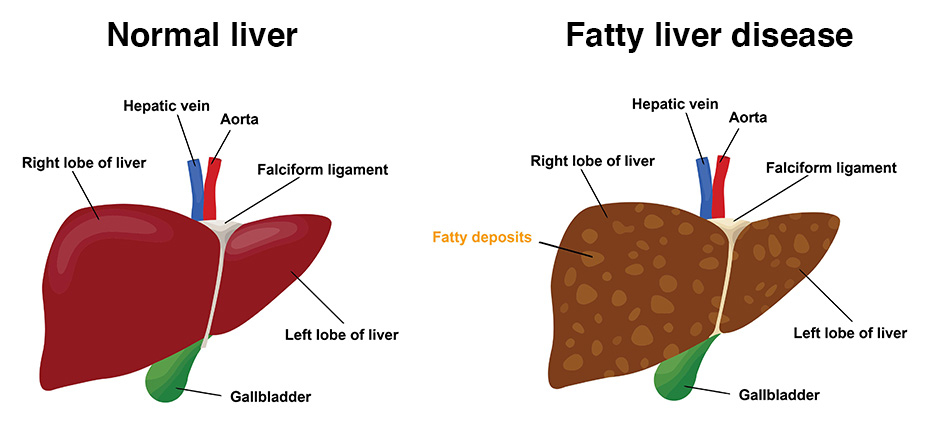
Table of Contents
ToggleWhat Is Fatty Liver Disease?
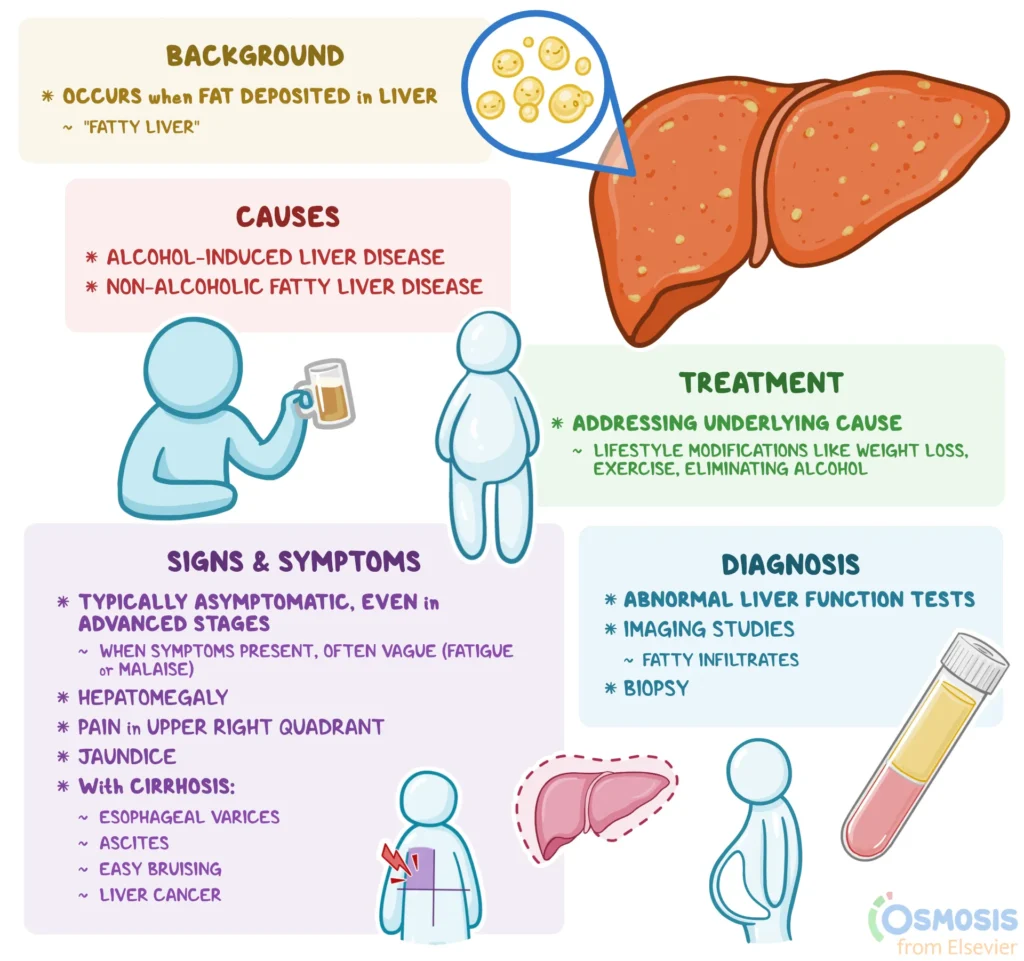
Fatty liver disease occurs when fat makes up more than 5–10% of the liver’s weight. There are two main types:
Non-alcoholic fatty liver disease (NAFLD) – not related to alcohol
Alcohol-related fatty liver disease – linked to excessive alcohol intake
NAFLD is now the most common form and is strongly associated with:
Abdominal obesity
High blood sugar
High cholesterol
High blood pressure
(NHS, 2023; World Health Organization, 2023)
EARLY SIGNS OF FATTY LIVER DISEASE
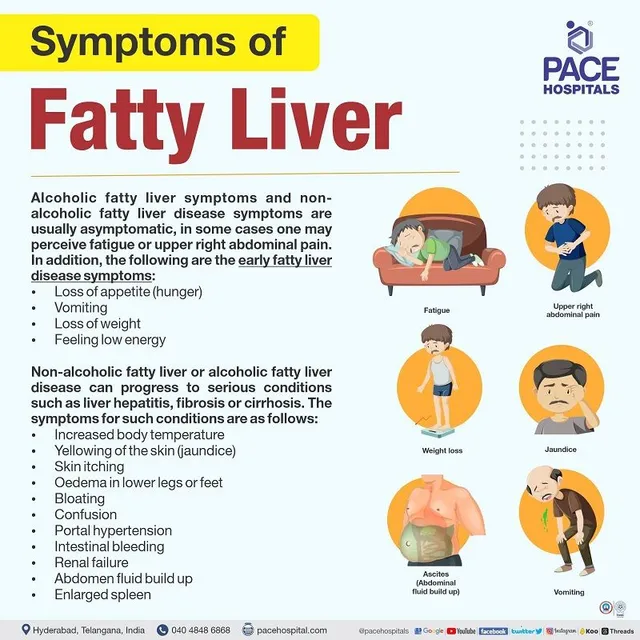
1. Constant Fatigue and Low Energy
One of the earliest and most common symptoms of fatty liver disease is persistent fatigue. The liver plays a vital role in energy metabolism and detoxification. When excess fat interferes with liver function, toxins build up and energy production drops.
Many people dismiss this fatigue as stress or aging, but chronic tiredness that doesn’t improve with rest may indicate underlying liver dysfunction (NHS, 2023; CDC, 2022).
2. Abdominal Discomfort or Upper Right Pain
A dull ache or discomfort in the upper right side of the abdomen, just below the ribs, can be an early sign of fatty liver disease. This occurs as fat accumulation causes the liver to enlarge and stretch its surrounding capsule.
Although the pain is usually mild, repeated discomfort should never be ignored (NHS, 2023).
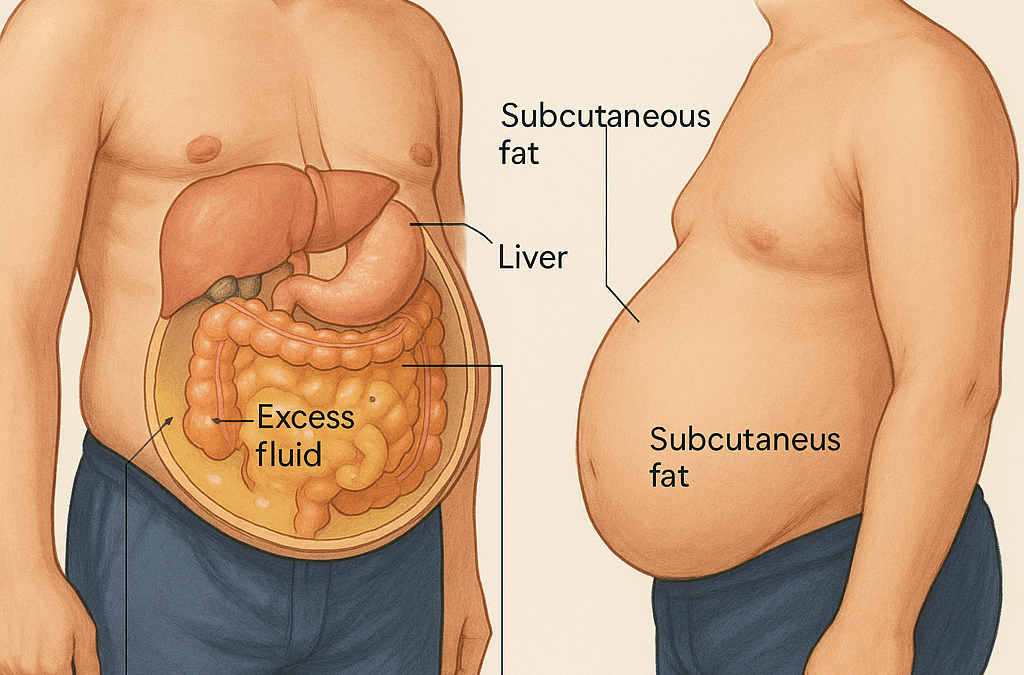
3. Unexplained Weight Gain or Belly Fat
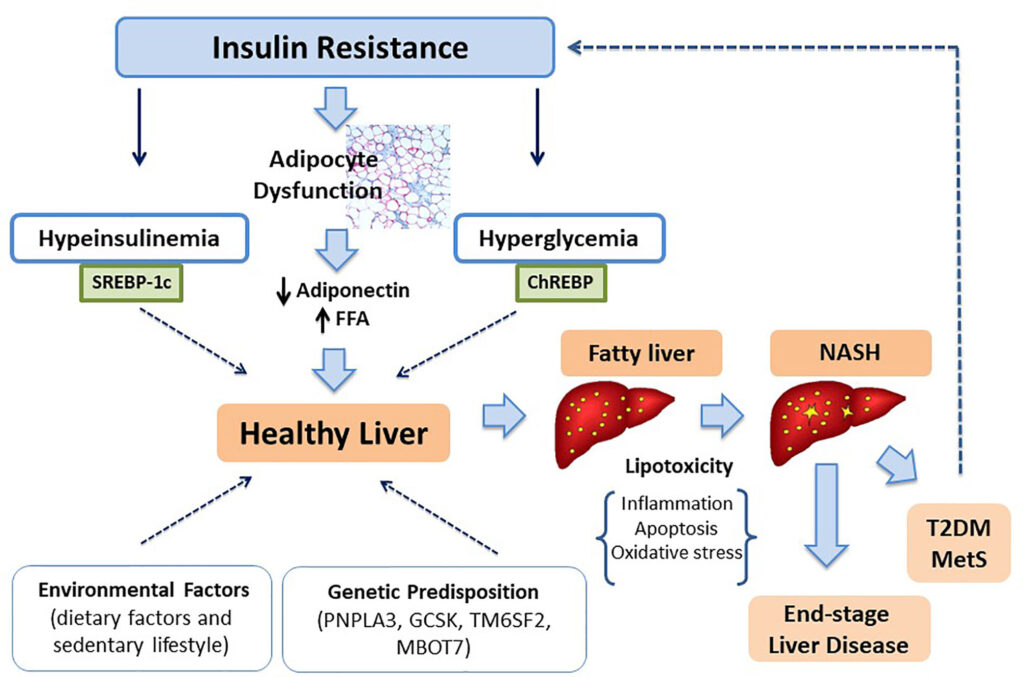
Fatty liver disease is strongly linked to central (abdominal) obesity. Excess fat around the waist increases insulin resistance, which drives fat storage in the liver.
The World Health Organization identifies abdominal obesity as a major risk factor for NAFLD (WHO, 2023).
4. Elevated Blood Sugar or Insulin Resistance
Fatty liver disease and insulin resistance often occur together. The liver plays a key role in blood sugar regulation, and fat accumulation disrupts this process.
People with fatty liver are at significantly higher risk of developing type 2 diabetes (CDC, 2022; WHO, 2023).
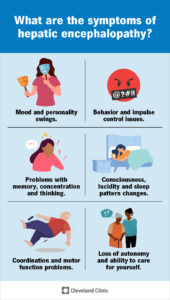
5. Brain Fog and Poor Concentration
When the liver struggles to detoxify the blood effectively, toxins may affect brain function, leading to:
Brain fog
Poor focus
Forgetfulness
This symptom is often overlooked but commonly reported by people with liver dysfunction (World Health Organization, 2023).
6. Elevated Liver Enzymes (Detected on Blood Tests)
Many people with fatty liver disease have no obvious symptoms, and the condition is first detected through abnormal liver enzymes (ALT, AST) on routine blood tests.
The NHS notes that fatty liver is often discovered incidentally during unrelated medical checks (NHS, 2023).
7. Darkened Skin Patches (Insulin Resistance)
Dark, velvety patches on the neck, armpits, or groin (acanthosis nigricans) may indicate insulin resistance — a key driver of fatty liver disease.
This sign reflects underlying metabolic dysfunction rather than a skin problem (CDC, 2022).
Why Early Detection Matters
Untreated fatty liver disease can progress to:
Non-alcoholic steatohepatitis (NASH)
Liver fibrosis
Cirrhosis
Liver failure
The World Health Organization stresses that early lifestyle intervention can reverse fatty liver in many cases (WHO, 2023).
What You Can Do to Reverse Fatty Liver Naturally
According to the NHS and Centers for Disease Control and Prevention:
Lose 5–10% of body weight gradually
Reduce refined carbohydrates and sugar
Increase physical activity
Limit alcohol intake
Manage blood sugar and blood pressure
Final Thoughts
Fatty liver disease doesn’t usually cause pain early on. It quietly progresses while many people remain unaware.
But your body often gives subtle clues — fatigue, belly fat, brain fog, abnormal blood tests — long before permanent damage occurs.
The liver has a powerful ability to heal — if you act early.
💙 Want simple, practical health education you can trust?
Follow VeeVee Health for evidence-based guidance on liver health, blood sugar, blood pressure, and weight management — explained in a way that fits real life.
📚 REFERENCES
World Health Organization (2023). Noncommunicable diseases and metabolic health.
NHS (2023). Non-alcoholic fatty liver disease (NAFLD). https://www.nhs.uk
Centers for Disease Control and Prevention (2022). Fatty Liver Disease. https://www.cdc.gov
Related:
Causes and Risk Factors of High Blood Pressure | VeeVee Health
Blood Pressure Numbers Explained: What 120/80 Really Means
Understanding High Blood Pressure: Causes, Symptoms, and What It Means for Your Health
Best Nigerian Foods for Managing High Blood Pressure | VeeVee Health
Pingback: Preventive health focuses on early lifestyle changes to prevent, manage, or reverse chronic diseases like high blood pressure, diabetes, and metabolic conditions.