
Table of Contents
ToggleIntroduction
High blood pressure, also known as hypertension, is one of the most common yet silent health conditions affecting Africans and Caribbeans worldwide. Many people live with dangerously high blood pressure for years without symptoms, only discovering it after a stroke, heart attack, or kidney damage.
Evidence consistently shows that people of African and Caribbean descent develop high blood pressure earlier, experience more severe complications, and are more sensitive to salt than other populations. As a public health educator working closely with African and Caribbean communities in the UK and beyond, this pattern is seen far too often.
In this guide, you’ll learn:
What high blood pressure really means
Why Africans & Caribbeans are more affected
Detailed causes and risk factors
👉 This article is educational and does not replace medical advice.
What Is High Blood Pressure?
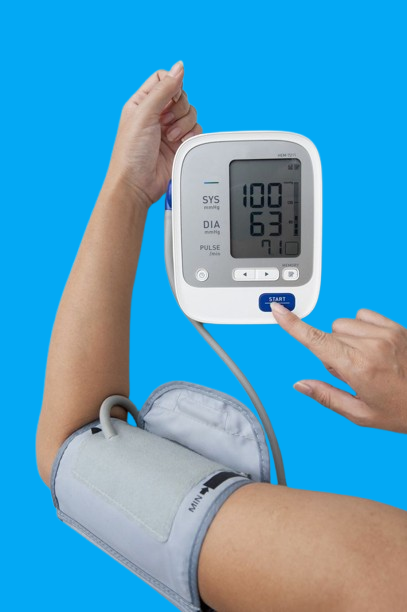
Blood pressure measures the force of blood pushing against artery walls as the heart pumps. It is recorded using two numbers:
Systolic pressure – pressure when the heart beats
Diastolic pressure – pressure when the heart rests
Blood Pressure Categories:
High (Stage 1): 130–139 / 80–89
High (Stage 2): 140/90 mmHg and above
High blood pressure is often called the “silent killer” because many people feel perfectly fine even when damage is already occurring.
NHS – High blood pressure explained
👉 https://www.nhs.uk/conditions/high-blood-pressure-hypertension/
🧂 1. Salt Sensitivity
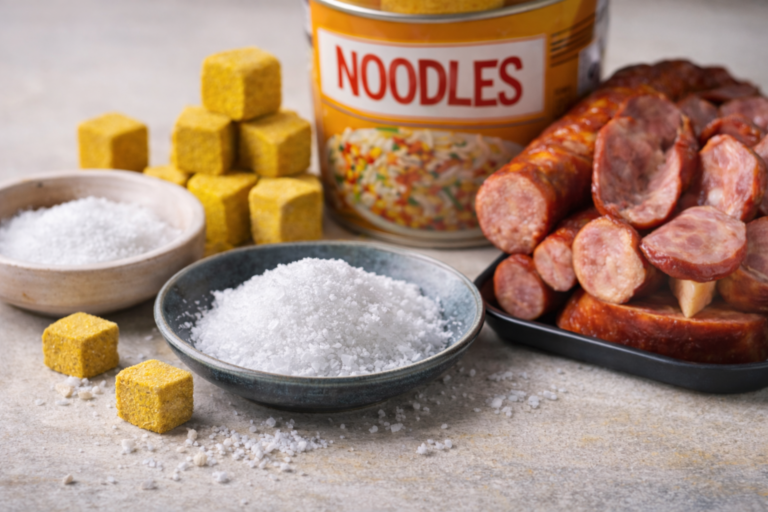
People of African descent are more likely to retain sodium, meaning even “normal” salt intake can cause blood pressure to rise quickly.
Common sources of hidden salt include:
Seasoning cubes
Processed meats
Instant noodles
Tinned foods
Restaurant and takeaway meals
🧬 2. Genetic Predisposition
Family history plays a major role. If one or both parents have hypertension, the risk increases significantly.
This does not mean high blood pressure is inevitable, but it means earlier lifestyle changes are critical.
🍽️ 3. Diet and Food Preparation Methods
Many African foods are healthy by nature, but:
Deep frying
Excess palm oil
High salt seasoning
Large portion sizes
can turn healthy meals into blood pressure triggers.
😓 4. Chronic Stress
Long-term stress from:
Work pressure
Financial strain
Migration challenges
Racism and social inequality
keeps stress hormones elevated, which tightens blood vessels and raises blood pressure over time.
👉 Read Related post:
⚖️ 5. Overweight & Physical Inactivity
Excess body fat—especially abdominal fat—forces the heart to work harder, increasing pressure on artery walls.
Even 5–10% weight loss can lead to noticeable blood pressure improvement.
Research from the CDC shows that lifestyle changes significantly reduce blood pressure levels.
🍺 6. Alcohol, Smoking & Poor Sleep
Excess alcohol raises blood pressure
Smoking damages blood vessels
Poor sleep increases stress hormones
These factors often work together, compounding risk.
🚑 Advanced or Dangerous Symptoms
According to the NHS, high blood pressure often has no obvious symptoms. These may indicate dangerously high blood pressure and require urgent medical attention:
Severe headaches
Chest pain
Shortness of breath
Confusion or slurred speech
Sudden vision loss
Nosebleeds (rare, but possible)
⚠️ These can signal a hypertensive crisis.
🔗 External link:
British Heart Foundation – Hypertension symptoms
👉 https://www.bhf.org.uk/informationsupport/conditions/high-blood-pressure
🧠 Health Risks of Untreated High Blood Pressure
Long-term uncontrolled hypertension can lead to:
Stroke (very common in African populations)
Heart attack and heart failure
Chronic kidney disease
Vision loss
Sexual dysfunction
Cognitive decline
🔗 External link:
WHO – Hypertension facts
👉 https://www.who.int/news-room/fact-sheets/detail/hypertension
🩺 How High Blood Pressure Is Diagnosed
Diagnosis requires:
Multiple readings on different days
Home or clinic monitoring
Proper cuff size (important!)
Adults over 30—especially Africans and Caribbeans—should check blood pressure at least once a year.
Lifestyle changes are powerful and often reduce the need for higher medication doses.
Key strategies:
Reduce salt intake
Increase physical activity
Manage stress
Improve sleep
Maintain a healthy weight
🔗 Read related:
👉How to Manage High Blood Pressure Naturally: Simple Lifestyle Tips That Work
Leafy greens (ugu, spinach, bitter leaf)
Beans and lentils
Fruits (banana, avocado, oranges)
Oily fish
Garlic, ginger, turmeric
💊 When Medication Is Needed
Some people will still require medication due to genetics or long-standing hypertension.
Medication:
Protects the heart, brain, and kidneys
Reduces stroke risk
Works best with lifestyle changes
Never stop medication without medical advice.
🚑 When to See a Doctor Immediately
Seek urgent care if you experience:
Severe headache
Chest pain
Sudden confusion
Vision loss
Breathlessness
✅ Conclusion
High blood pressure is common in Africans and Caribbeans—but it is not a death sentence. With early detection, proper monitoring, lifestyle changes, and medical support where needed, complications can be prevented.
Awareness is the first step. Action is the second.
👉 Take control of your heart health today.
Book a personalised consultation or explore more trusted health resources on VeeVee Health.
Pingback: Early Signs of High Blood Pressure You Shouldn’t Ignore
Pingback: New Food Pyramid Explained: Why “Eat Real Food” Matters
Pingback: Calories and Weight Gain: What You Should Know for Healthy Living
I love this!
Very interesting information. But how do I know the amount of calories to consume
Pingback: Cardiovascular Diseases in Nigeria: 7 Causes, Symptoms, Prevention & the Real Crisis
Pingback: How to manage high blood pressure naturally
Pingback: Understanding High Blood Pressure: Causes, Symptoms, and What It Means for Your Health
Pingback: Understanding High Blood Pressure: 7 key Causes, Symptoms, and What It Means for Your Health