

Hormonal imbalance in women is one of the most overlooked causes of chronic fatigue, stubborn belly fat, irregular periods, and conditions such as polycystic ovary syndrome (PCOS). Many women are told their symptoms are “normal,” stress-related, or simply part of aging—yet these symptoms are often signs that hormones are out of balance.
Hormones control how the body stores fat, uses energy, responds to stress, regulates menstrual cycles, and maintains blood sugar stability. When these hormones fall out of balance, multiple symptoms tend to appear together, not in isolation.
According to the World Health Organization, hormonal and metabolic disorders are rising globally among women of reproductive age, driven by lifestyle factors, stress, and increasing insulin resistance. Similarly, the National Health Service recognises PCOS as one of the most common hormonal disorders in women.
This article explains why hormonal imbalance in women links PCOS, belly fat, and fatigue, how these symptoms are biologically connected, and what women can do to restore hormonal balance safely and sustainably.
Table of Contents
ToggleWhat Is Hormonal Imbalance in Women?
Hormonal imbalance in women occurs when the body produces too much or too little of certain hormones, or when hormones are present but not functioning properly due to resistance at the cellular level.
Key hormones commonly involved include:
Insulin
Estrogen
Progesterone
Cortisol
Thyroid hormones
Androgens (such as testosterone)
When even one of these hormones becomes dysregulated, it can trigger a chain reaction affecting metabolism, reproduction, mood, and energy levels.
Why Hormonal Imbalance Rarely Shows Up as One Symptom
One of the biggest misunderstandings about hormonal imbalance in women is the belief that symptoms occur one at a time. In reality, hormones work as a network.
For example:
Insulin resistance can worsen estrogen imbalance
High cortisol can suppress progesterone
Estrogen dominance can worsen PCOS symptoms
Thyroid dysfunction can increase fatigue and weight gain
This is why women often experience PCOS, belly fat, and fatigue at the same time.
7 Reasons PCOS, Belly Fat & Fatigue Are Connected
1. Insulin Resistance Is the Central Driver
Insulin resistance is one of the strongest underlying factors linking hormonal imbalance in women to PCOS, abdominal fat, and low energy.
When cells stop responding properly to insulin:
Blood sugar rises
Insulin levels remain high
Fat storage increases (especially around the abdomen)
Energy production becomes inefficient
Insulin resistance is present in a large proportion of women with PCOS and is also strongly linked to visceral (belly) fat accumulation.
👉 Read related:
Metabolic Syndrome Explained: How High Blood Pressure, Diabetes & Fatty Liver Are Connected
2. PCOS Is a Hormonal–Metabolic Condition, Not Just a Reproductive One
PCOS is often misunderstood as a fertility problem alone. In reality, it is a complex hormonal and metabolic disorder.
Common features include:
Elevated androgens (male-type hormones)
Irregular ovulation
Insulin resistance
Weight gain around the abdomen
Chronic fatigue
This explains why many women with PCOS struggle with belly fat and low energy, even when eating relatively well.
3. Cortisol (Stress Hormone) Promotes Belly Fat Storage
Chronic stress leads to persistently high cortisol levels. Cortisol signals the body to store energy—particularly around the abdomen—because it perceives ongoing stress as a threat.
High cortisol:
Increases appetite
Raises blood sugar
Promotes visceral fat storage
Disrupts sleep
Worsens insulin resistance
This creates a vicious cycle where stress worsens hormonal imbalance, which then worsens fatigue and weight gain.
4. Estrogen Dominance Makes Weight Loss Harder
Estrogen dominance occurs when estrogen levels are high relative to progesterone. This imbalance is common in women with PCOS, chronic stress, and excess body fat.
Estrogen dominance can:
Increase fat storage
Cause bloating and water retention
Worsen PMS symptoms
Increase fatigue
Interfere with thyroid function
Because fat tissue itself produces estrogen, weight gain can further worsen hormonal imbalance.
5. Thyroid Dysfunction Contributes to Fatigue and Weight Gain
The thyroid gland regulates metabolic rate and energy production. When thyroid hormones are low or poorly utilised:
Metabolism slows
Fatigue becomes persistent
Weight gain occurs more easily
Cold intolerance and brain fog may appear
Even subclinical thyroid dysfunction can worsen symptoms in women already struggling with PCOS or insulin resistance.
6. Poor Sleep Disrupts Hormones That Control Appetite and Energy
Sleep deprivation affects hormones such as leptin and ghrelin, which regulate hunger and fullness.
Poor sleep:
Increases appetite
Reduces insulin sensitivity
Raises cortisol levels
Worsens fatigue
Women with hormonal imbalance often experience disrupted sleep, which further intensifies PCOS symptoms and belly fat accumulation.
7. Chronic Inflammation Links All Three Conditions
Low-grade chronic inflammation is common in hormonal imbalance, PCOS, and central obesity.
Inflammation:
Interferes with insulin signalling
Disrupts ovarian hormone production
Increases fatigue
Raises long-term disease risk
This inflammatory state explains why symptoms persist unless root causes are addressed.
Common Signs of Hormonal Imbalance in Women
Hormonal imbalance in women may present as:
Irregular or painful periods
Difficulty losing weight
Belly fat
Constant fatigue
Mood swings or anxiety
Acne or excess facial hair
Poor sleep
Sugar cravings
Symptoms may vary, but the underlying hormonal connections remain similar.
Why Hormonal Imbalance Is Rising Among African Women
Across African communities—both on the continent and in the diaspora—rates of insulin resistance, PCOS, obesity, and fatigue-related conditions are rising.
Contributing factors include:
Diet transition toward ultra-processed foods
Chronic stress
Poor sleep
Reduced physical activity
Late diagnosis and limited hormonal screening
These trends highlight the need for preventive, hormone-focused health education.
Can Hormonal Imbalance Be Reversed?
In many cases, yes.
Hormonal imbalance in women often improves when:
Blood sugar is stabilised
Insulin sensitivity improves
Stress is reduced
Sleep quality improves
Nutrient intake supports hormone production
The goal is not perfection, but hormonal resilience.
Practical Steps to Restore Hormonal Balance in Women
Restoring hormonal balance in women does not require extreme dieting or quick fixes. Research consistently shows that small, consistent lifestyle changes targeting blood sugar control, stress, sleep, and inflammation can significantly improve hormonal function over time (WHO, 2024).
Below are evidence-based strategies that support hormone regulation, energy levels, and metabolic health—especially for women experiencing PCOS, belly fat, and fatigue.

1. Stabilise Blood Sugar to Support Hormone Regulation
One of the most important steps in restoring hormonal balance in women is blood sugar stability. Frequent blood sugar spikes lead to chronically high insulin levels, which disrupt ovarian hormones, increase belly fat, and worsen fatigue.
Insulin resistance is strongly associated with PCOS, estrogen dominance, and abdominal obesity (Després, 2012).
Practical actions:
Eat balanced meals containing protein, fibre, and healthy fats
Avoid starting the day with refined carbohydrates alone
Limit sugary drinks and ultra-processed foods
Include traditional whole foods such as beans, vegetables, fish, eggs, and whole grains
Improving insulin sensitivity has been shown to improve menstrual regularity and reduce androgen levels in women with PCOS (Teede et al., 2018).
2. Reduce Chronic Stress to Lower Cortisol Levels
Chronic psychological and emotional stress keeps cortisol levels elevated. Persistently high cortisol interferes with insulin, suppresses progesterone, and promotes fat storage around the abdomen (Hall et al., 2015).
Excess cortisol also contributes to:
Persistent fatigue
Sleep disruption
Sugar cravings
Hormonal imbalance symptoms worsening despite diet changes
Practical actions:
Practice daily stress-regulating activities (deep breathing, prayer, journaling, walking)
Reduce excessive caffeine intake
Create boundaries around work and digital overload
Incorporate regular relaxation practices
Lowering stress has been shown to improve insulin sensitivity and hormonal regulation (NIH, 2023).
3. Improve Sleep Quality to Reset Hormonal Signals
Sleep is one of the most powerful regulators of hormones. Poor sleep disrupts melatonin, cortisol, insulin, leptin, and ghrelin, all of which influence appetite, fat storage, and energy levels (NHS, 2023).
Women with chronic sleep deprivation are more likely to experience:
Increased belly fat
Worsened insulin resistance
Higher cortisol levels
Daytime fatigue and brain fog
Practical actions:
Aim for 7–9 hours of quality sleep nightly
Maintain consistent sleep and wake times
Reduce screen exposure before bed
Avoid heavy meals late at night
Improved sleep has been shown to positively affect glucose metabolism and hormonal balance (NHS, 2023).
4. Move Regularly to Improve Insulin Sensitivity
Regular movement improves insulin sensitivity, reduces visceral fat, and supports hormonal communication between the brain, ovaries, and metabolic tissues.
Exercise does not need to be extreme. Studies show that moderate, consistent movement is more beneficial for hormonal balance than sporadic intense workouts (ADA, 2024).
Practical actions:
Walk daily for at least 30 minutes
Include resistance or strength training 2–3 times weekly
Avoid over-exercising, which can raise cortisol further
Choose activities that are sustainable and enjoyable
Physical activity is associated with improved hormonal profiles and reduced risk of metabolic syndrome (Alberti et al., 2009).
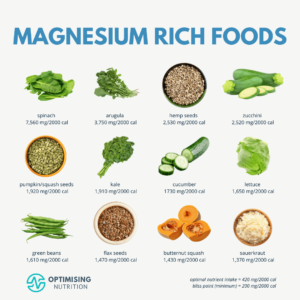
5. Support Hormones With Key Nutrients
Certain nutrients play critical roles in hormone production, insulin sensitivity, and stress regulation.
Key nutrients for hormonal balance in women include:
Magnesium – supports insulin sensitivity and stress regulation
Vitamin D – involved in ovarian function and immune regulation
B-vitamins – essential for energy metabolism and hormone synthesis
Omega-3 fatty acids – reduce inflammation
Nutrient deficiencies are common in women with PCOS and fatigue-related hormonal imbalance (NIH, 2023).
Practical actions:
Eat a varied, nutrient-dense diet
Include leafy greens, nuts, seeds, legumes, fish, and eggs
Address deficiencies through diet first, supplements if needed
6. Focus on Metabolic Health, Not Just Weight Loss
Rather than focusing solely on the scale, women should prioritise metabolic health. Improvements in blood sugar control, liver fat reduction, and inflammation often occur before visible weight loss.
According to the World Health Organization, improving metabolic markers significantly reduces long-term disease risk—even without dramatic weight changes (WHO, 2024).
Key metabolic markers to monitor:
Waist circumference
Blood pressure
Fasting blood glucose
Energy levels
Menstrual regularity
7. Be Consistent and Patient With Hormonal Healing
Hormonal balance does not improve overnight. Hormones respond to patterns, not perfection. Small, consistent lifestyle changes maintained over time are far more effective than short-term interventions.
Research shows that sustained lifestyle modification leads to significant improvements in insulin resistance, hormonal balance, and overall wellbeing (Motillo et al., 2010).
Key Takeaway
Restoring hormonal balance in women requires a whole-body approach. By stabilising blood sugar, reducing stress, improving sleep, supporting nutrient intake, and prioritising metabolic health, women can reduce PCOS symptoms, belly fat, and fatigue naturally and sustainably.
Conclusion
Hormonal imbalance in women does not occur in isolation. PCOS, belly fat, and fatigue are often three expressions of the same underlying hormonal and metabolic disruption.
Understanding these connections empowers women to move beyond symptom-chasing and focus on restoring balance at the root level. With the right lifestyle strategies and support, hormonal health can improve—leading to better energy, metabolic stability, and long-term wellbeing.
References
Alberti, K.G.M.M. et al. (2009) ‘Harmonizing the metabolic syndrome’, Circulation, 120(16), pp. 1640–1645.
Després, J.P. (2012) ‘Body fat distribution and risk of cardiovascular disease’, Circulation, 126(10), pp. 1301–1313.
Hall, J.E. et al. (2015) ‘Obesity-induced hypertension’, Circulation Research, 116(6), pp. 991–1006.
Motillo, S. et al. (2010) ‘The metabolic syndrome and cardiovascular risk’, Journal of the American College of Cardiology, 56(14), pp. 1113–1132.
NHS (2023) Hormones and Sleep. Available at: https://www.nhs.uk
NIH (2023) Hormones and Metabolism. Available at: https://www.nih.gov
Teede, H.J. et al. (2018) ‘International evidence-based guideline for PCOS’, Human Reproduction, 33(9), pp. 1602–1618.
World Health Organization (2024) Obesity and Metabolic Health. Available at: https://www.who.int