

Intermittent fasting is one of the most talked-about health trends today. Some people praise it as life-changing, while others warn that it is dangerous—especially for Africans living with diabetes, high blood pressure, or fatty liver disease.
The confusion is understandable.
Many Africans were never taught how fasting works in the body. Instead, fasting is often viewed as:
starvation
religious suffering
something only young or “strong” people should try
But intermittent fasting is none of those things.
When done correctly, intermittent fasting is not about punishment.
It is a metabolic tool—and one that aligns closely with how African bodies traditionally ate before modern snacking culture.
This article explains intermittent fasting clearly, safely, and in an African context.
Table of Contents
ToggleWhat Is Intermittent Fasting? (In Simple Terms)
Intermittent fasting is not about what you eat, but when you eat.
It simply means:
You eat within a specific time window
and allow your body to rest from food for the remaining hours.
During the fasting period:
insulin levels drop
the body switches from sugar-burning to fat-burning
organs like the liver get time to recover
This is very different from starving.
According to the World Health Organization, constant eating and excess refined carbohydrates contribute significantly to insulin resistance and metabolic diseases (WHO, 2023).
Intermittent fasting focuses on when you eat rather than what you eat. By allowing the body regular breaks from constant food intake, insulin levels are reduced and metabolic processes such as fat burning and cellular repair are activated. Constant eating, especially refined carbohydrates and sugary foods, has been shown to worsen insulin resistance and metabolic health (World Health Organization, 2023).
Africans Used to Fast Naturally (Without Calling It Fasting)
Before modern lifestyles:
There was no midnight snacking
No sugary drinks every hour
Meals were eaten at set times
Physical activity was built into daily life
People ate breakfast, lunch, and dinner—not all day long.
Intermittent fasting simply restores that natural rhythm.

Common Myths Africans Believe About Intermittent Fasting
❌ Myth 1: “If I don’t eat early, my sugar will drop and I’ll collapse”
This is not true for most people, especially those with insulin resistance or type 2 diabetes. In fact, constantly eating keeps insulin high and worsens blood sugar control.
❌ Myth 2: “Fasting will give me ulcer”
Ulcers are caused mainly by H. pylori infection and long-term medication use—not fasting. Many people fast safely without stomach problems.
❌ Myth 3: “Intermittent fasting is only for young people”
Age is not the main factor—metabolic health is. Many adults in their 40s, 50s, and 60s benefit when fasting is done gradually and safely.
Intermittent Fasting and Diabetes (What Africans Must Know)
Intermittent fasting can be helpful for people with type 2 diabetes, because it:
lowers insulin levels
improves insulin sensitivity
reduces constant blood sugar spikes
However, not everyone with diabetes should fast.
⚠️ Important Safety Note
Intermittent fasting is NOT recommended for:
people with type 1 diabetes
people on insulin or sulfonylurea medications without medical supervision
👉 Internal link:
Diabetes: Early Warning Signs You Shouldn’t Ignore
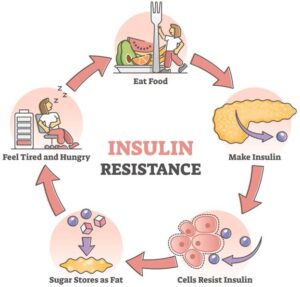
The Centers for Disease Control and Prevention confirms that insulin resistance is a key driver of type 2 diabetes and metabolic disease (CDC, 2022).
Intermittent fasting may be beneficial for people with type 2 diabetes because it can improve insulin sensitivity and reduce frequent blood sugar spikes when done carefully. However, fasting is not suitable for everyone, particularly individuals with type 1 diabetes or those using insulin or sulfonylurea medications without medical supervision (Centers for Disease Control and Prevention, 2022).
Intermittent Fasting and Fatty Liver Disease
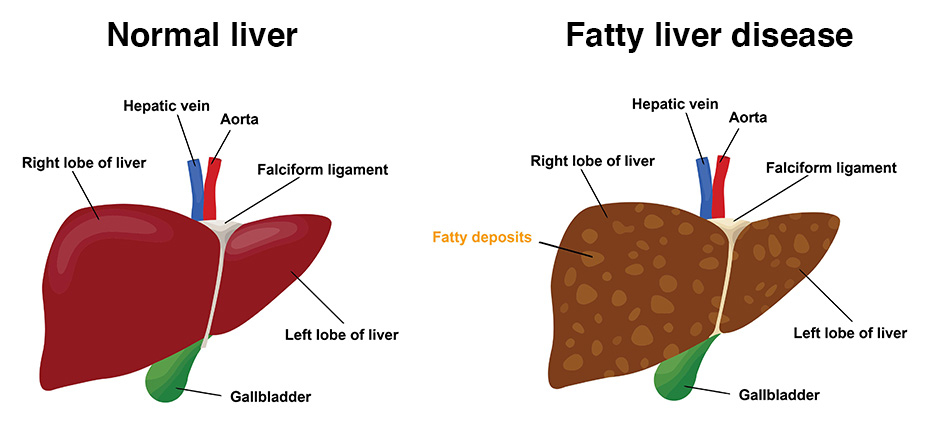
Fatty liver disease is closely linked to excess sugar intake and high insulin levels.
When insulin remains high:
the liver converts excess sugar into fat
fat accumulates in liver cells
liver function becomes impaired
Intermittent fasting helps by:
reducing insulin levels
allowing the liver to burn stored fat
improving liver enzyme levels over time
👉READ
Early Signs of Fatty Liver Disease You Shouldn’t Ignore
The NHS states that early lifestyle changes can significantly improve fatty liver disease (NHS, 2023).
Intermittent Fasting and High Blood Pressure
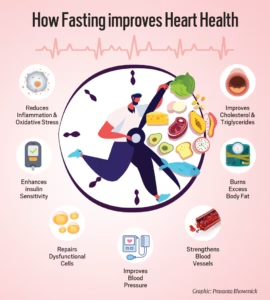
Intermittent fasting supports blood pressure control by:
promoting weight loss
reducing insulin-driven sodium retention
improving blood vessel flexibility
However, fasting does not replace blood pressure medication.
Medication should only be adjusted by a healthcare professional.
Intermittent fasting may support blood pressure control indirectly by promoting weight loss, improving insulin sensitivity, and reducing inflammation. Excess insulin is known to contribute to sodium retention and blood vessel stiffness, which can raise blood pressure. Lifestyle changes remain a key part of blood pressure management alongside medical treatment (NHS, 2023).
👉 READ
Early Signs of High Blood Pressure You Shouldn’t Ignore
Best Intermittent Fasting Method for Africans (Start Here)
✅ Recommended Progression
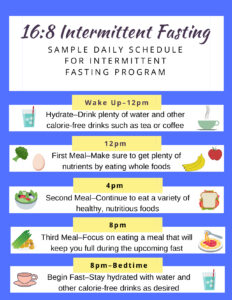
12:12 – eat within 12 hours
14:10 – gentle improvement
16:8 – most common & sustainable
Example (African-friendly):
Dinner by 7pm
First meal between 9–11am
No late-night snacking
What to Eat When You Break Your Fast (Very Important)
Break your fast with:
beans and vegetables
eggs with vegetables
moi moi
okra, ogbono, or vegetable soups (controlled portions)
❌ Avoid:
sugary drinks
garri soaked in sugar
pastries
Who Should NOT Do Intermittent Fasting
Intermittent fasting is not suitable for:
pregnant or breastfeeding women
people with eating disorders
underweight individuals
type 1 diabetes
people advised otherwise by their doctor

Intermittent fasting is not recommended for pregnant or breastfeeding women, individuals with eating disorders, or people with specific medical conditions unless advised by a healthcare professional. Safe fasting practices should always be individualised and medically supervised when necessary (Centers for Disease Control and Prevention, 2022).
Final Thoughts
Intermittent fasting is not starvation.
It is not punishment.
It is not a Western trick.
When done correctly, intermittent fasting helps Africans:
improve blood sugar control
reduce fatty liver
support healthy blood pressure
regain metabolic balance
The body heals when given time.
Intermittent fasting gives the body that time.
✍️ Written by
Vivian Okpala
Public Health Educator | Wellness Coach
Founder, VeeVee Health
References
World Health Organization (2023). Noncommunicable diseases and metabolic risk factors. Available at: https://www.who.int
NHS (2023). Non-alcoholic fatty liver disease (NAFLD) and High blood pressure. Available at: https://www.nhs.uk
Centers for Disease Control and Prevention (2022). Type 2 diabetes, insulin resistance, and lifestyle management. Available at: https://www.cdc.gov
American Heart Association (2022). Lifestyle changes for heart and metabolic health. Available at: https://www.heart.org
Lorem ipsum dolor sit amet, consectetur adipiscing elit. Ut elit tellus, luctus nec ullamcorper mattis, pulvinar dapibus leo.
Pingback: Belly Fat & Fatty Liver: If You Have a Big Waist, Your Liver May Be Struggling (Plus Safe Intermittent Fasting Tips)
Pingback: New Food Pyramid Explained: Why “Eat Real Food” Matters
Pingback: Diabetes Explained: Hidden Causes, Types, Symptoms & Proven Management Strategies
Pingback: 7 Everyday Habits That Raise Blood Sugar: Dangerous and Unhealthy Triggers Even If You’re Not Diabetic
Pingback: Understanding High Blood Pressure: Causes, Symptoms, and What It Means for Your Health