
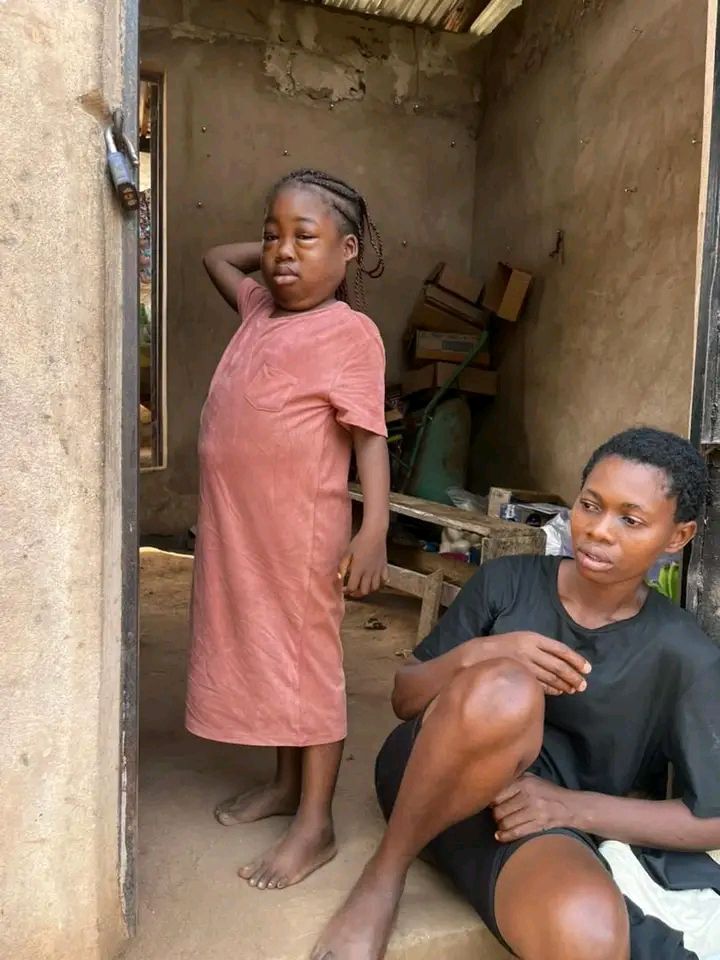
Kidney and liver problems in Nigerian children are becoming an increasing public health concern, driven by factors such as unsafe herbal medicines, infections, poor nutrition, and late diagnosis. Across Nigeria today, more families are facing a heartbreaking reality: children being diagnosed with serious kidney and liver problems. These conditions, once considered rare in children, are now being reported with increasing frequency in hospitals and clinics.
What makes this trend even more concerning is that many of these cases are preventable.
So what is really going on?
From a public health perspective, the rise in kidney and liver disease among Nigerian children is not caused by a single factor. It is the result of multiple overlapping issues—medical, environmental, nutritional, and systemic—that have quietly been affecting children for years.
Table of Contents
ToggleWhy Kidney and Liver Diseases Are Especially Dangerous in Children
The kidneys and liver play critical roles in the body:
The liver detoxifies harmful substances, processes medications, and supports digestion and immunity.
The kidneys filter waste from the blood, regulate fluids and electrolytes, and help control blood pressure.
In children, these organs are still developing. This makes them far more vulnerable to damage from toxins, infections, and improper medication use than adults.
Once damaged, recovery can be difficult, and in severe cases, children may require lifelong treatment or organ transplantation.
1. Unregulated Herbal Mixtures and “Agbo”
One of the most significant contributors to kidney and liver damage in Nigerian children is exposure to unregulated herbal remedies, commonly known as agbo.
These mixtures are often given to children for:
Fever
Cough
Stomach pain
“Body cleansing”
General illness
The problem is that:
Ingredients are rarely disclosed
Dosages are not standardised
Some preparations contain toxic plants or heavy metals
Contamination during preparation is common
Children’s livers and kidneys are forced to process these substances, often leading to toxic injury.
The World Health Organization has repeatedly warned that traditional and herbal medicines, when unregulated, can cause serious organ damage, especially in children.
2. Overuse and Misuse of Painkillers and Antibiotics
Another major factor is self-medication.
Many children are frequently given:
Paracetamol in excessive or repeated doses
Ibuprofen or diclofenac without supervision
Antibiotics purchased without prescriptions
While these medicines are safe when used correctly, incorrect dosing—especially in children—can lead to:
Acute kidney injury
Drug-induced liver damage
Long-term organ dysfunction
Children’s medication doses should always be weight-based, not guessed. Unfortunately, this is often ignored.

3. Fake, Substandard, and Contaminated Medicines
Nigeria continues to battle the problem of counterfeit and substandard drugs.
Some fake medicines contain:
Incorrect concentrations of active ingredients
Toxic fillers
Contaminants harmful to internal organs
When children take these medications, their liver and kidneys absorb the damage first.
This issue is not limited to rural areas; counterfeit medicines are found in both urban and semi-urban settings.
4. Poor Water Quality and Environmental Toxins
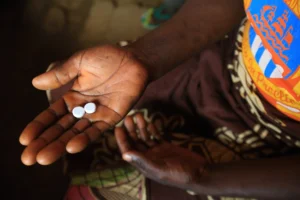
Many Nigerian children are exposed daily to unsafe drinking water and environmental toxins.
These include:
Heavy metals in water sources
Pesticides from farming activities
Industrial waste
Household chemicals
Chronic exposure to these toxins places a continuous burden on the liver and kidneys. Over time, this can lead to progressive organ damage, even without obvious symptoms.
Environmental exposure is a recognised cause of kidney disease in children in low- and middle-income countries, according to the World Health Organization.
5. Rising Childhood Obesity and Processed Foods
A growing but often overlooked issue is childhood obesity and poor diet quality.
Many children now consume:
Sugary drinks
Instant noodles
Ultra-processed snacks
High-salt and high-fat foods
This dietary shift has led to:
Fatty liver disease in children
Insulin resistance
Fatty liver disease is no longer an adult condition. It is increasingly diagnosed in children and can progress silently to liver inflammation and fibrosis if not addressed early.

6. Untreated or Recurrent Infections
Common childhood illnesses can also damage the kidneys and liver when:
Diagnosis is delayed
Treatment is incomplete
Infections are recurrent
Infections such as:
Malaria
Typhoid
Severe diarrhoeal illnesses
Hepatitis B
can all contribute to kidney or liver damage if poorly managed.
According to American Liver Foundation Chronic hepatitis B infection, in particular, remains a major cause of liver disease in Nigerian children.
.
7. Malnutrition and Poor Early Nutrition
Malnutrition weakens a child’s:
Immune system
Organ development
Ability to detoxify harmful substances
Malnourished children are far more vulnerable to:
Medication toxicity
Infections
Environmental pollutants
Even mild but chronic undernutrition can increase the risk of long-term kidney and liver problems.
8. Late Diagnosis and Lack of Routine Screening
Perhaps the most tragic aspect of this crisis is that many cases are detected too late.
Early kidney and liver disease often has no obvious symptoms. By the time signs appear, damage may already be advanced.
Warning signs that are often missed include:
Swelling of the face or legs
Dark or foamy urine
Poor growth
Persistent vomiting
Unusual fatigue
Routine screening is rare, and many parents are unaware that children can develop these conditions silently.
Why Kidney and Liver Problems in Nigerian Children Are Increasing
What we are seeing today is the result of:
Weak regulation of herbal products
Widespread self-medication
Environmental exposure
Poor nutrition
Limited health education
This is not just a medical issue—it is a public health crisis.
Many of these kidney and liver problems in children are preventable with the right policies, education, and early intervention.
What Needs to Change
To protect Nigerian children, urgent action is needed:
Stronger regulation of herbal and traditional medicines
Public education against self-medication in children
Improved access to clean water
Vaccination against hepatitis B
Routine screening in schools and clinics
Nutrition education for parents and caregivers
Final Thoughts
Addressing kidney and liver problems in Nigerian children requires early screening, public awareness, and stronger regulation of harmful substances(WHO 2025). Children should not be battling diseases that can be prevented.
The rising cases of kidney and liver problems among Nigerian children are a warning sign—one that demands attention from parents, healthcare providers, and policymakers alike.
Protecting children’s health starts with awareness, prevention, and early action.