

High blood pressure, also known as hypertension, is one of the most common and dangerous health conditions worldwide. It affects millions of people in Nigeria, the UK, and across the globe, often without obvious symptoms. Because it usually develops silently, many people only discover they have high blood pressure after serious complications such as stroke, heart attack, kidney disease, or heart failure.
The good news is that high blood pressure can often be controlled and even improved through simple lifestyle changes. While medication may be necessary for some individuals, lifestyle habits play a powerful role in lowering blood pressure naturally and protecting long-term heart health.
In this comprehensive guide, we explore 7 simple lifestyle changes that help lower high blood pressure naturally, explain how they work, and show how to apply them realistically in everyday life.
Table of Contents
ToggleWhat Is High Blood Pressure?
Blood pressure measures the force of blood pushing against the walls of the arteries as the heart pumps. When this pressure remains consistently high, it puts strain on the heart and damages blood vessels over time.
A healthy blood pressure reading is generally around 120/80 mmHg. Readings consistently above 140/90 mmHg are considered high. Uncontrolled high blood pressure increases the risk of cardiovascular disease, stroke, kidney damage, and vision problems.
Many people assume that high blood pressure is inevitable with age, but this is not true. Lifestyle plays a significant role.
Why Lifestyle Changes Matter More Than You Think
Medication can lower blood pressure, but it does not address the root causes. Poor diet, physical inactivity, excess weight, stress, alcohol, and smoking all contribute to rising blood pressure levels.
Lifestyle changes:
Improve blood vessel flexibility
Reduce strain on the heart
Support kidney function
Lower inflammation
Improve overall quality of life
Now let’s look at the 7 lifestyle changes that make the biggest difference.
1. Reduce Salt Intake
Excess salt (sodium) is one of the leading contributors to high blood pressure. Sodium causes the body to retain water, which increases blood volume and raises pressure inside the blood vessels.
Many people consume far more salt than they realise, especially from:
Processed foods
Packaged snacks
Fast foods
Seasoning cubes and sauces
How to reduce salt effectively
Cook more meals at home
Limit processed and packaged foods
Use herbs, spices, garlic, ginger, onions, and peppers instead of excess salt
Taste food before adding salt
Reducing salt intake can lead to noticeable improvements in blood pressure within weeks.
👉 Read related post: Early Signs of High Blood Pressure You Shouldn’t Ignore
2. Eat More Fruits and Vegetables
Fruits and vegetables are rich in potassium, magnesium, antioxidants, and fibre — nutrients that help relax blood vessels and counteract the effects of sodium. Eating a variety of colourful fruits and vegetables supports both blood pressure control and overall health.
Examples include:
Spinach and leafy greens
Tomatoes
Avocados
Bananas
Berries
Aim to fill half of your plate with vegetables at each meal. Fresh, frozen, or lightly cooked options are all beneficial.
If you are new to managing high blood pressure, you may also find this guide helpful:http://managing high blood pressure
3. Move Your Body Daily
Regular physical activity strengthens the heart and improves blood circulation, making it easier for the heart to pump blood efficiently. Exercise also helps with weight management and stress reduction, both of which affect blood pressure.
You do not need intense workouts. Simple activities such as:
Brisk walking
Dancing
Cycling
Home workouts
Aim for at least 30 minutes of moderate activity on most days of the week. Consistency matters more than intensity.

Managing Fibroids Symptoms in Women
4. Maintain a Healthy Weight
Excess body weight places additional strain on the heart and blood vessels. Even a small weight loss can lead to noticeable improvements in blood pressure.
Focus on:
Portion control
Balanced meals with protein, vegetables, and healthy fats
Reducing sugary drinks and refined carbohydrates
Avoid extreme dieting. Sustainable, gradual changes are more effective and easier to maintain long-term.
5. Manage Stress Effectively
Chronic stress can cause temporary spikes in blood pressure and contribute to long-term hypertension. Learning how to manage stress is essential for both mental and physical health.
Helpful stress-management techniques include:
Deep breathing exercises
Prayer or meditation
Adequate sleep
Taking breaks from social media and negative news
Making time for relaxation is not a luxury — it is an important part of heart health.

6. Limit Alcohol and Avoid Smoking
Alcohol and smoking directly damage blood vessels and increase blood pressure. Alcohol also adds empty calories and contributes to weight gain.
Alcohol and blood pressure
Excess alcohol raises blood pressure
It reduces the effectiveness of blood pressure medication
It increases the risk of heart disease
If you drink alcohol, moderation is key.
Smoking and blood pressure
Smoking causes blood vessels to narrow and harden, increasing pressure and heart strain. Quitting smoking is one of the most powerful lifestyle changes for heart health.
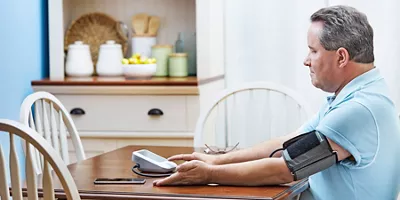
7. Monitor Your Blood Pressure Regularly
Many people with high blood pressure feel completely fine. Regular monitoring helps detect problems early and track progress.
How to monitor effectively
Use a reliable home blood pressure monitor
Check at the same time each day
Sit quietly for a few minutes before measuring
Record your readings
Monitoring empowers you to take control and recognise when lifestyle changes are working.
👉 Read Related: Blood Pressure Numbers Explained (if available)
How Long Do Lifestyle Changes Take to Work?
Lifestyle changes do not work overnight, but many people see improvements within:
2–4 weeks for salt reduction
4–8 weeks for exercise and weight loss
Several months for long-term stabilisation
Consistency matters more than perfection.
Who Should Be Extra Careful
Lifestyle changes are important for everyone, but especially for people who:
Have a family history of hypertension
Are overweight or obese
Have diabetes or prediabetes
Are over 35
Experience chronic stress
If you fall into any of these categories, early action is crucial.
Final Thoughts
High blood pressure does not develop overnight, and it does not improve by chance. The choices you make daily — what you eat, how much you move, how you manage stress, and whether you monitor your health — all play a role.
By applying these 7 simple lifestyle changes, you can lower high blood pressure naturally, protect your heart, and improve your overall wellbeing.
Small steps, taken consistently, lead to powerful results.
Remember, small steps taken consistently can lead to powerful and lasting results.
If you found this article helpful:
💙 Share it with someone who may benefit
📩 Subscribe to VeeVee Health for more wellness tips
▶️ Watch my videos for practical health guidance and lifestyle support
.
Pingback: How to Manage High Blood Pressure Naturally: Simple Lifestyle Tips That Work - Veevee Health
Pingback: High Blood Pressure: Causes, 6-Signs and Symptoms, and Management