

Mental health is one of the most important aspects of overall health, yet it is often overlooked. While people pay attention to physical health, the health of the mind plays an equally vital role in overall well-being.
Mental health affects how we think, feel, behave, and interact with others. It also influences how we cope with stress, make decisions, and build relationships.
According to the World Health Organization, mental health is a state of well-being in which individuals realize their abilities, cope with normal stresses of life, work productively, and contribute to their communities.
Similarly, the Centers for Disease Control and Prevention explains that mental well-beign includes emotional, psychological, and social well-being.
Good mental health allows people to:
Handle stress effectively
Build healthy relationships
Make sound decisions
Maintain emotional balance
Live a productive and meaningful life
Table of Contents
ToggleThe Main Components of Mental Health
Emotional Well-Being
Emotional well-being refers to the ability to recognize, understand, and manage feelings in a healthy and constructive way. Emotions are a natural part of human life, and everyone experiences a wide range of feelings such as happiness, sadness, anger, fear, excitement, and disappointment. What matters most is how individuals respond to and process these emotions.
People with strong emotional balance are able to acknowledge their feelings without being overwhelmed by them. They can express emotions appropriately and recover from difficult experiences more easily. Instead of suppressing emotions, emotionally healthy individuals learn how to process them through reflection, communication, or healthy coping strategies.
Several factors contribute to emotional stability, including supportive relationships, healthy communication, and self-awareness. Developing emotional intelligence—the ability to understand both your own emotions and the emotions of others—can significantly improve relationships and overall quality of life.
Practical ways to strengthen emotional well-being include:
Practicing mindfulness and self-awareness
Talking openly with trusted friends or family members
Keeping a journal to process thoughts and feelings
Learning healthy coping skills for stress and frustration
Developing gratitude and positive thinking habits
Emotional resilience helps individuals adapt to life’s ups and downs and maintain balance even during challenging situations.
The Mental Health Foundation highlights that emotional resilience helps individuals cope with stress and difficult life situations.
Psychological Well-Being
Psychological well-being focuses on how individuals perceive themselves and their sense of purpose in life. It involves self-acceptance, personal development, confidence, and the ability to pursue meaningful goals.
A strong sense of purpose often contributes to a more fulfilling and satisfying life. When people feel that their lives have direction and meaning, they are more motivated, productive, and resilient in the face of challenges.
Personal growth is an important part of psychological wellness. This includes learning new skills, setting goals, improving habits, and continually developing as a person. Growth can occur through education, career development, personal reflection, or spiritual practices.
Several elements contribute to psychological strength:
Self-confidence and positive self-image
A sense of purpose and direction
Ability to set realistic goals
Adaptability to life changes
Healthy self-reflection and personal awareness
When individuals develop these qualities, they often feel more capable of handling setbacks and navigating life transitions.
Maintaining psychological well-being also requires recognizing unhealthy thought patterns. Negative thinking, excessive self-criticism, or constant worry can gradually affect emotional balance. Learning to challenge negative thoughts and replace them with constructive perspectives can significantly improve overall well-being.
The American Psychological Association notes that psychological well-being helps people maintain resilience and cope with life changes.
Social Well-Being
Human beings naturally thrive through relationships and social interaction. Strong social connections play a significant role in emotional stability and life satisfaction.
Supportive relationships provide comfort during difficult times and help individuals celebrate successes and milestones. Family members, friends, coworkers, and community networks all contribute to a person’s sense of belonging and support.
Research consistently shows that individuals with strong social connections tend to experience lower levels of loneliness and emotional distress. Meaningful relationships also help people cope with stress, build resilience, and maintain a positive outlook on life.
Key aspects of healthy social well-being include:
Open and honest communication
Mutual respect in relationships
Emotional support from friends and family
Participation in community activities
Feeling valued and connected to others
On the other hand, prolonged social isolation can negatively affect emotional stability. Lack of social interaction may lead to feelings of loneliness, sadness, and disconnection.
Strengthening relationships can involve simple steps such as spending quality time with loved ones, engaging in community groups, volunteering, or maintaining regular communication with friends.
Building strong social networks creates a sense of security and emotional support that can improve overall well-being.
.
Common Mental Health Disorders
Many individuals experience psychological conditions at some point in their lives. These conditions can affect emotions, thinking patterns, and daily functioning.
Two of the most common challenges include depressive disorders and anxiety-related conditions.
Depression
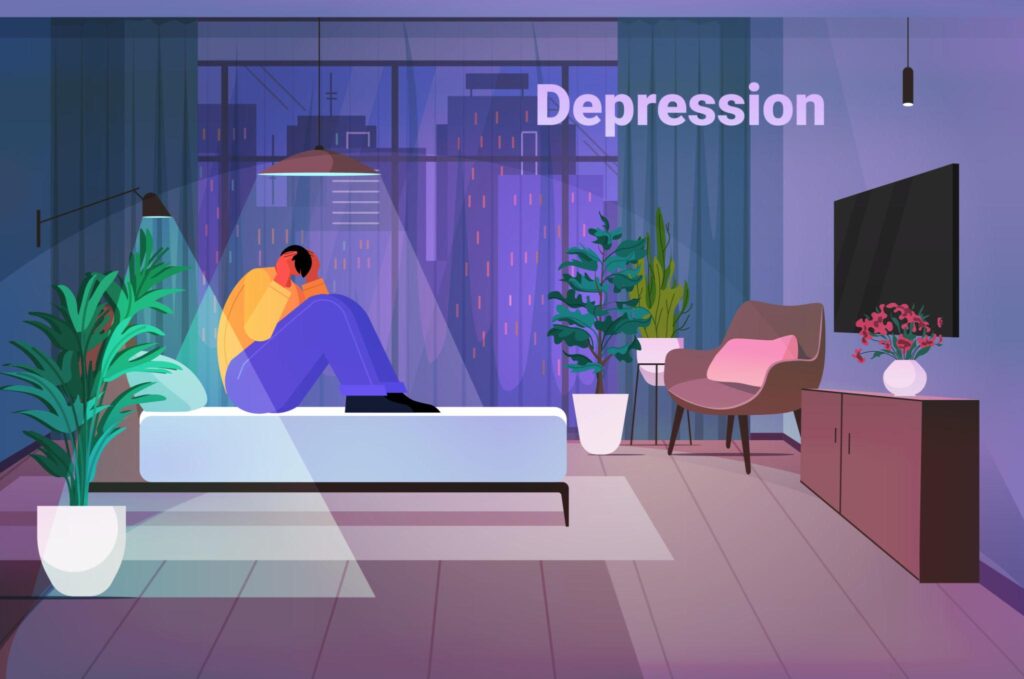
Depressive disorders are characterized by persistent sadness, loss of interest in activities, and reduced motivation. Individuals experiencing this condition may feel hopeless, fatigued, or disconnected from their usual routines.
Other symptoms may include:
Difficulty concentrating
Changes in sleep patterns
Loss of appetite or overeating
Feelings of worthlessness
Lack of energy or motivation
Although occasional sadness is a normal part of life, prolonged emotional distress may require professional support.
The NHS describes depression as a mood disorder that can affect how people think, feel, and behave.
Anxiety Disorders
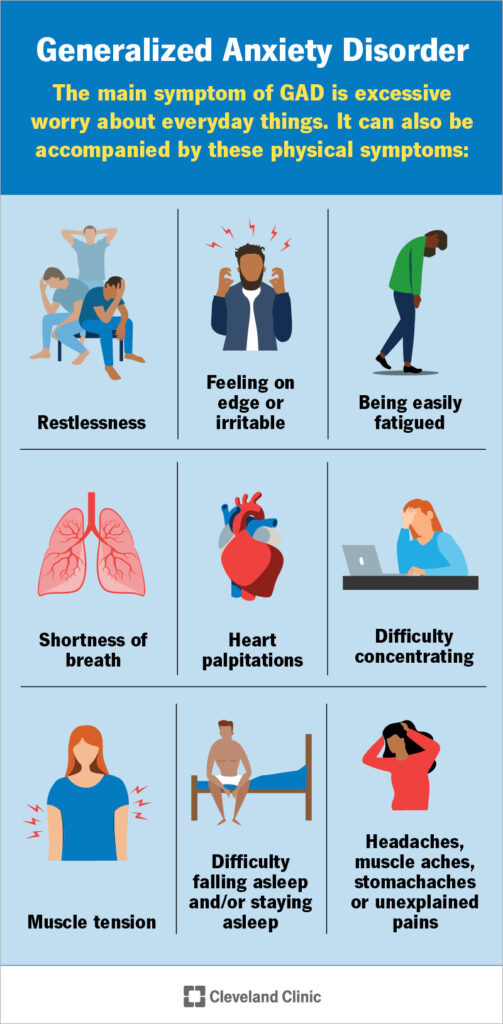
Anxiety is a natural response to stress, but when worry becomes excessive or constant, it may interfere with everyday activities.
Common symptoms include:
Persistent worry or fear
Rapid heartbeat or restlessness
Difficulty relaxing
Trouble concentrating
Sleep disturbances
Learning relaxation techniques, practicing mindfulness, and seeking professional guidance when needed can help individuals manage these symptoms effectively.
The National Institute of Mental Health reports that anxiety disorders are among the most common mental conditions worldwide.
Causes of Mental Health Problems
Several factors influence emotional and psychological stability. These factors often interact with one another and shape how individuals respond to life challenges.
The National Institute of Mental Health explains that mental disorders often develop through a combination of biological and environmental influences.
Biological influences
Certain biological factors may increase vulnerability to emotional difficulties. These include:
Genetic predisposition
Hormonal changes
Brain chemistry imbalance
Chronic physical illness
For example, long-term medical conditions or hormonal changes can influence mood and energy levels.
Psychological influences
Life experiences can also shape emotional responses. Early childhood experiences, traumatic events, and stressful life situations may affect how individuals cope with challenges later in life.
Examples include:
Childhood adversity or neglect
Loss of loved ones
Long-term stress exposure
Major life transitions
Developing healthy coping mechanisms can help individuals navigate these experiences more effectively.
Environmental and social influences
External factors also play a significant role in emotional well-being. These may include financial difficulties, work pressure, social isolation, or relationship conflicts.
Economic stress, for example, can create emotional strain when individuals struggle to meet basic needs or financial obligations. Similarly, demanding work environments may lead to burnout if adequate rest and support are lacking.
Recognizing these influences allows individuals to make lifestyle adjustments and seek support when necessary.
Natural Ways to Improve Mental Health
Daily habits play a powerful role in maintaining psychological well-being. Simple lifestyle adjustments can significantly improve mood, energy levels, and overall quality of life.
Regular physical activity
Regular physical activity can significantly improve mental well-being by reducing stress and boosting mood.
Exercise releases endorphins, which are natural chemicals in the brain that promote feelings of happiness.
The Mental Health Foundation reports that regular exercise is strongly linked to improved mental well-being. Exercise is widely recognized for its ability to improve mood and reduce stress. Physical activity stimulates the release of endorphins, which are natural chemicals that promote feelings of happiness and relaxation.
Examples of beneficial activities include:
Walking or jogging
Cycling
Dancing
Swimming
Yoga or stretching exercises
Even moderate physical activity for 30 minutes a day can improve emotional balance.

Healthy Nutrition
Food choices influence brain function and energy levels. Nutrient-rich foods such as fruits, vegetables, whole grains, healthy fats, and lean proteins support brain health and overall vitality.
Certain nutrients that support brain function include:
Omega-3 fatty acids
B-vitamins
Magnesium
Antioxidants
Maintaining balanced meals and staying hydrated can help stabilize mood and improve concentration.

Quality Sleep
Sleep plays a crucial role in emotional stability. Poor sleep patterns can lead to irritability, fatigue, and reduced ability to cope with stress.
Adults generally require between 7 and 9 hours of quality sleep each night. Creating a consistent sleep routine, limiting screen time before bed, and maintaining a comfortable sleeping environment can improve sleep quality.
The Centers for Disease Control and Prevention recommends adults aim for 7–9 hours of sleep each night.
Poor sleep can increase the risk of anxiety, depression, and stress-related problems.
Stress management practices
Learning to manage stress effectively is essential for maintaining balance in daily life.
Helpful strategies include:
Meditation or mindfulness exercises
Deep breathing techniques
Spending time in nature
Engaging in hobbies or creative activities
Practicing gratitude and positive reflection
These practices help calm the mind and restore emotional balance.
Final Thoughts
Mental health is just as important as physical health.
When individuals maintain good mental well-being, they are better able to cope with stress, build meaningful relationships, and live productive lives.
Taking care of your mental health involves daily habits, supportive relationships, and healthy lifestyle choices.
Small changes in lifestyle can have a powerful impact on emotional and psychological well-being.
Related Recommended Posts
-
Mental Health: Understanding the Foundation of Overall Well-Being
-
 8 Daily Habits for Improved Mental Health
 -
 Depression: Understanding the Signs, Root Causes, and Natural Ways to Support Your Mental Health
 -
 What Is Mental Health Education?
 -
 Mental Health Education in Nigeria: Evidence, Awareness, and Public Health
Mental health affects how we think, feel, behave, and interact with others.
Taking care of your mental health involves daily habits, supportive relationships, and healthy lifestyle choices.
Regular physical activity can significantly improve mental well-being by reducing stress and boosting mood.
Psychological well-being focuses on how individuals perceive themselves and their sense of purpose in life.
Hmmm mental health is over all health because a person with out healthy brain is not exist,he or she can’t manage any thing . Mental health is very important to look into it. As veevee health stated
Mental health can be inherited from parents. So people should study their personal health all the time to fetch out the odd in time and treat it.
Veevee health I personally hail you. You are trying ooooh daluoooo
Do Exercise every morning 🌞 is good for our system, mental health can affect emotional thinking thanks for sharing veevee health
We must take proper care of our mental health to avoid damaging our reasoning, feeling, behaviour, careers etc. thanks for sharing this wonderful write up.
Our daily physical activity naturally promote healthy well-being like jumping, walking, running, dancing etc.
These will help to change your mental health lifestyle. eg daily habits, supportive relationship and healthy life style choice.