
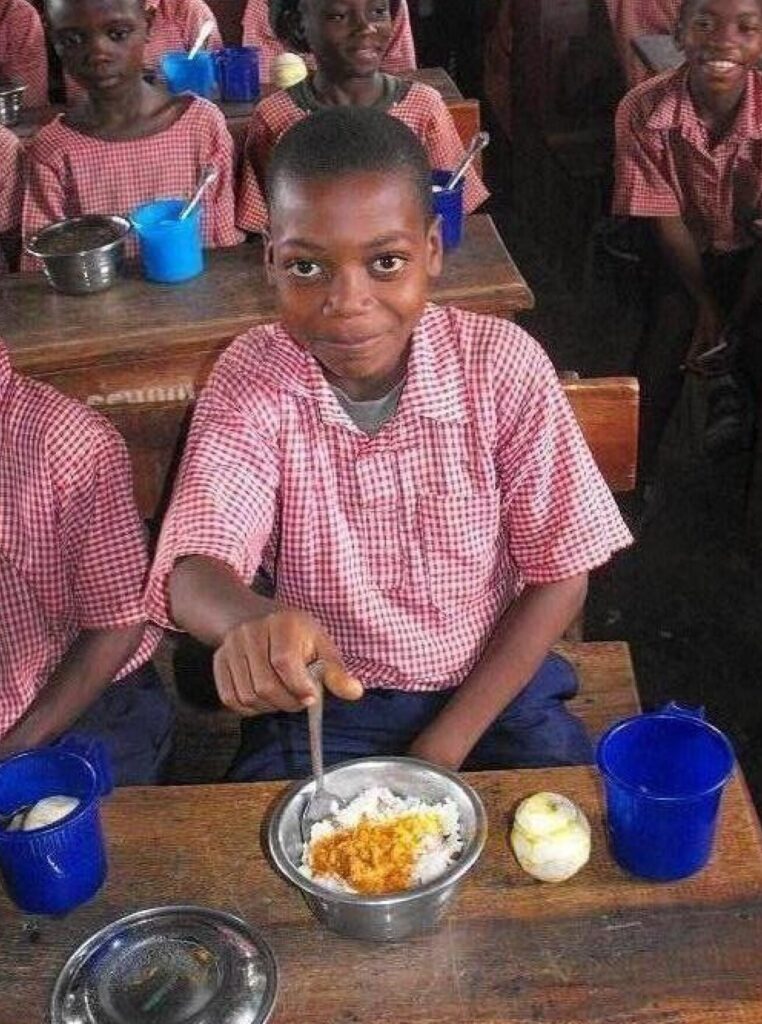
Unhealthy foods Nigerian children eat today are a major contributor to the rising health problems seen among children across the country. Unhealthy foods Nigerian children eat today have become a serious public health concern that parents, schools, and policymakers must urgently address. Across Nigeria, more children are developing health issues that were once considered “adult diseases,” including childhood obesity, early high blood pressure, fatty liver disease, and kidney problems. Many of the unhealthy foods Nigerian children eat today are cheap, widely available, and heavily marketed toward young people. Many of the unhealthy foods Nigerian children eat are high in sugar, salt, and unhealthy fats, increasing the risk of obesity and hypertension.
According to the World Health Organization, unhealthy diets are a major contributor to the global rise in childhood obesity and non-communicable diseases. In Nigeria, changing food environments, busy lifestyles, and increased access to processed foods have significantly altered what children eat daily—often with serious health consequences. Also, experts warn that the unhealthy foods Nigerian children eat daily can affect brain development, immunity, and long-term health.
Table of Contents
ToggleUnhealthy Foods Nigerian Children Eat Most Often
Sugary Drinks Are Now Everyday Beverages for Children
In many Nigerian homes, children regularly consume: This article highlights the most common unhealthy foods Nigerian children eat, why they are harmful, and what parents can do to make healthier food choices.
Sweetened fruit drinks and concentrates
Malt drinks
Flavoured yoghurts
Soft drinks
Sweetened sachet beverages
These drinks are often seen as harmless or even “nutritious,” but they contain large amounts of added sugar. Liquid sugar is absorbed quickly into the bloodstream, causing sharp blood sugar spikes and placing stress on the pancreas.
Regular consumption of sugary drinks in childhood is strongly linked to:
Weight gain
Insulin resistance
Fatty liver disease
Early risk of type 2 diabetes
In Nigeria, these drinks are cheap, widely available, and commonly packed in school lunch bags or bought after school, making overconsumption very easy.
Ultra-Processed Snacks Replacing Proper Meals
Many Nigerian children now rely heavily on ultra-processed snacks instead of balanced meals. Common examples include:
Biscuits and sweet pastries
Instant noodles
Fried snacks sold around schools
Packaged sweets and chips
These foods are:
High in refined carbohydrates and unhealthy fats
Very low in fibre, protein, and essential nutrients
Designed to be addictive and filling, but not nourishing
When children eat these foods regularly, they experience repeated blood sugar spikes, poor satiety, and increased cravings. Over time, this contributes to obesity, poor metabolic health, and learning difficulties due to unstable energy levels.
School Food Environments in Nigeria
Many Nigerian schools, especially public and low-cost private schools, do not have structured school feeding programmes focused on nutrition. Instead:
Children buy snacks from roadside vendors
Fried foods and sugary drinks are sold within school premises
Fruits and vegetables are rarely promoted
This is one of the reasons the World Health Organization has urged schools globally to promote healthy eating for children. School environments strongly shape eating habits, and unhealthy options normalised in childhood often persist into adulthood.
Excess Salt in Children’s Diets
High salt intake is another growing concern among Nigerian children. Foods contributing to excess salt include:
Instant noodles
Processed meats
Packaged snacks
Fried fast foods
Too much salt places stress on the kidneys and can cause early changes in blood pressure. Studies show that children who consume high-sodium diets are more likely to develop hypertension later in life.
With kidney disease already rising in Nigeria, early dietary stress on the kidneys is particularly worrying.
Low Intake of Fruits, Vegetables, and Whole Foods
Despite Nigeria’s rich availability of local fruits and vegetables, many children consume very little of them. Meals are often heavy in refined carbohydrates but low in fibre.
Low intake of fruits and vegetables affects:
Digestion and gut health
Blood sugar regulation
Immune function
Fibre helps slow sugar absorption and protects the liver and pancreas. Without it, children are more vulnerable to metabolic problems.
How These Eating Habits Affect the Liver and Kidneys
Children’s organs are still developing, making them more sensitive to dietary damage.
Excess sugar promotes fat accumulation in the liver, leading to fatty liver disease
High salt intake increases kidney workload
Ultra-processed foods increase inflammation and oxidative stress
There is growing concern among Nigerian health professionals about the increasing diagnosis of liver and kidney problems in younger age groups—conditions strongly linked to long-term dietary patterns.
Why the World Health Organization Is Concerned
The WHO has warned that:
Childhood obesity is increasing rapidly worldwide
Poor childhood diets increase the risk of diabetes, heart disease, liver disease, and kidney disease later in life
Preventing disease must begin early, not after diagnosis
In Nigeria, where access to specialised healthcare is limited and treatment costs are high, prevention through healthy eating is especially important.
What Nigerian Parents and Caregivers Can Doe
Protecting children’s health does not require expensive or imported foods. Simple, consistent changes can make a big difference:
Replace sugary drinks with water
Encourage whole fruits instead of packaged snacks
Reduce instant noodles and fried snacks
Pack simple home-cooked meals for school
Teach children to recognise healthy foods early
Traditional Nigerian meals made with vegetables, legumes, whole grains, and moderate portions can support healthy growth when prepared mindfully.
Conclusion
What Nigerian children eat today is shaping their future health. The increasing reliance on sugary drinks, ultra-processed snacks, and salty convenience foods is quietly placing children at risk of obesity, diabetes, liver disease, kidney problems, and high blood pressure.
Reducing the unhealthy foods Nigerian children eat today is one of the most effective ways to protect their future health.
While schools have an important role to play, parents and caregivers remain the strongest influence on children’s eating habits. By making informed food choices early, we can protect children’s health and reduce the burden of lifestyle-related diseases in Nigeria. Reducing the unhealthy foods Nigerian children eat requires joint efforts from parents, schools, food vendors, and government agencies.
Visit VeeVeeHealth.com for trusted health education on children’s nutrition, kidney health, liver health, and metabolic wellbeing.
Unhealthy foods Nigeria children eat a times causes child hood obesity, kidney problem, fatty liver disease and also early high blood pressure. this days many children now rely healthy on ultra-processed snacks instead of balanced meals . despite Nigeria’s availability of local fruit’s and vegetables, not knowing that low intake of fruits and vegetables affects: blood sugar regulation, digestion and gut health and also immune functions.
Unhealthy foods Nigeria children eat a times causes child hood obesity, kidney problem, fatty liver disease and also early high blood pressure. this days many children now rely healthy on ultra-processed snacks instead of balanced meals . despite Nigeria’s availability of local fruit’s and vegetables, not knowing that low intake of fruits and vegetables affects: blood sugar regulation, digestion and gut health and also immune functions.
Unhealthy foods can be a challenge but Prioritising selfcare helps me make better choices for me and my family.
Self-care is so important especially when it comes to break unhealthy habits for ourselves and kids !
Unhealthy foods can be a challenge but Prioritising selfcare helps me make better choices for me and my family.💜💙💛
Self-care is so important especially when it comes to breaking Unhealthy habits for ourselves and our kids. 🥰🥰🥰