Prediabetes is one of the most important early warning signs that your blood sugar levels are rising beyond normal. Many people with prediabetes do not realise what is happening in their body until it progresses further.
This condition does not develop overnight. It builds up gradually, often due to lifestyle habits, poor diet, and reduced physical activity. The concern is that untreated prediabetes can quietly progress into Type 2 diabetes, increasing the risk of long-term health complications.
According to the World Health Organization, cases of diabetes and prediabetes are increasing globally, making early awareness and prevention more important than ever.
The good news is that prediabetes can be reversed. With the right lifestyle changes, many people are able to bring their blood sugar levels back to a healthy range.
Table of Contents
ToggleWhat Is Prediabetes?
Prediabetes is a condition where blood sugar levels are higher than normal but not high enough to be diagnosed as diabetes. It is often a result of insulin resistance, where the body struggles to use insulin effectively.
When insulin does not work properly, glucose builds up in the bloodstream instead of being used for energy. Over time, this leads to rising blood sugar levels and increases the risk of developing Type 2 diabetes.
According to the National Health Service, many individuals at this stage do not experience noticeable symptoms. This makes regular screening, especially for those with risk factors, an essential part of early detection.
Early Signs You Should Pay Attention To
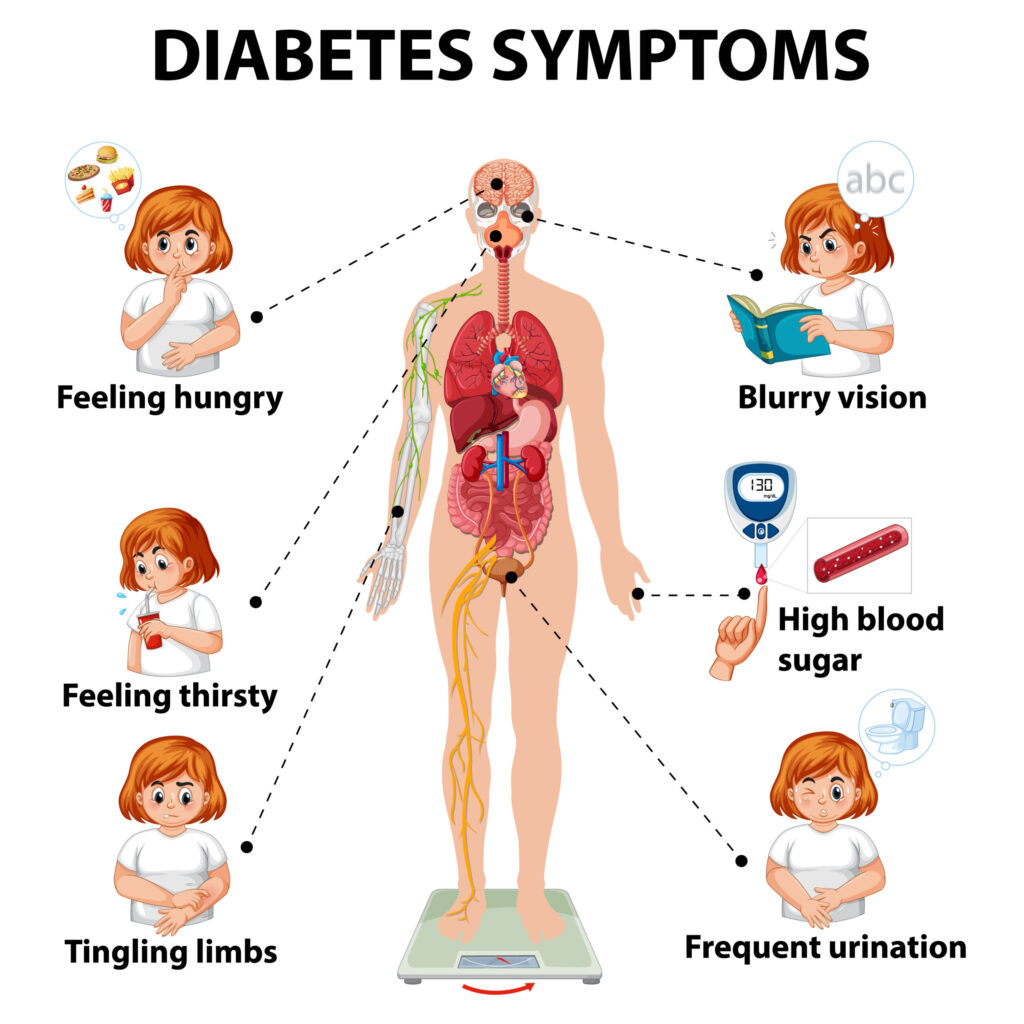
In many cases, there may be no clear symptoms. However, some people begin to notice subtle changes in how their body feels or functions.
These may include:
- Feeling unusually tired even after resting
- Increased thirst that doesn’t seem to go away
- Frequent trips to the bathroom, especially at night
- Increased hunger, even after eating
- Difficulty concentrating or feeling mentally foggy
- Slight changes in vision, such as blurriness
- Darkened skin around the neck, armpits, or groin
These signs are often mild and can easily be ignored or attributed to stress, lack of sleep, or a busy lifestyle. That is why many people do not take action early enough.
It’s important to understand that absence of symptoms does not mean absence of risk. Regular health checks remain one of the most reliable ways to detect early changes.
The Centers for Disease Control and Prevention highlights that many individuals remain undiagnosed because symptoms can be mild or absent.
.
Causes and Contributing Factors
This condition does not happen overnight. It develops gradually due to a combination of lifestyle and biological factors.
Research from the American Diabetes Association shows that insulin resistance is the main underlying issue leading to rising blood sugar levels.
1. Insulin Resistance
This is the central issue. When the body’s cells stop responding effectively to insulin, glucose remains in the bloodstream instead of being used for energy.
2. Poor Dietary Habits
Regular consumption of highly processed foods can overwhelm the body’s ability to regulate blood sugar. Diets high in refined carbohydrates, sugary drinks, and fast foods contribute significantly to rising glucose levels.
3. Excess Body Fat
Carrying extra weight, particularly around the abdominal area, increases the likelihood of insulin resistance. Fat cells in this region can interfere with how insulin functions.
4. Physical Inactivity
Movement helps the body use glucose more effectively. When activity levels are low, the body becomes less efficient at managing sugar levels.
5. Hormonal Imbalances
Conditions such as PCOS in women can affect insulin sensitivity and increase the risk.
6. Genetic Influence
Family history plays a role. If close relatives have diabetes, your chances of developing blood sugar issues are higher.
Risk Factors You Should Not Ignore
Certain factors increase the likelihood of developing blood sugar imbalance. Being aware of them helps you take preventive steps earlier. The Centers for Disease Control and Prevention reports that over 1 in 3 adults may have prediabetes, many without knowing it.
- Being overweight or obese
- A sedentary lifestyle (little or no regular exercise)
- Age above 40 years
- High blood pressure or abnormal cholesterol levels
- History of gestational diabetes
- Family history of diabetes
The Centers for Disease Control and Prevention highlights that millions of people are living with elevated blood sugar levels without knowing it, largely due to lack of testing and awareness.
How to Reverse It Naturally
This is where real change happens. The focus here is not on quick fixes but on consistent, sustainable habits.
Lifestyle changes remain the most effective approach to improving blood sugar levels.
The National Institute of Diabetes and Digestive and Kidney Diseases emphasizes that weight loss, physical activity, and healthy eating can significantly reduce the risk of developing Type 2 diabetes.
1. Improve Your Diet
Food choices play a major role in blood sugar control. Instead of drastic dieting, focus on building balanced meals. Healthy eating patterns supported by the British Heart Foundation also recommend reducing sugar intake and focusing on whole, unprocessed foods.
Include more:
- Vegetables rich in fiber (ugu, spinach, okra)
- Whole foods like beans, lentils, and oats
- Lean protein sources such as fish, eggs, and chicken
- Healthy fats like nuts and seeds
Reduce intake of:
- Sugary beverages
- White bread, pastries, and highly refined carbs
- Packaged snacks with added sugars
Combining foods properly—such as pairing carbohydrates with protein or healthy fats—can also help slow down sugar absorption.
2. Achieve Gradual Weight Loss
Weight loss does not have to be extreme to be effective. Even a small reduction in body weight can improve insulin sensitivity.
Losing between 5–10% of your body weight has been shown to significantly improve blood sugar control. The key is consistency rather than speed.
3. Increase Daily Physical Activity
Movement helps your muscles use glucose for energy, which reduces the amount circulating in your bloodstream.
Simple activities can make a difference:
- Brisk walking
- Dancing at home
- Light strength exercises
- Taking the stairs instead of the lift
The goal is to stay active regularly rather than occasionally.
4. Prioritise Quality Sleep
Sleep is often overlooked, yet it plays a critical role in metabolic health. Poor sleep can disrupt hormones that regulate hunger and glucose.
Aim for:
- 7–9 hours of quality sleep
- Consistent sleep schedule
- Reduced screen time before bed
5. Manage Stress Effectively
Stress triggers the release of hormones that can raise blood sugar levels. Over time, chronic stress can worsen insulin resistance.
Helpful strategies include:
- Prayer or meditation
- Deep breathing exercises
- Spending time with loved ones
- Taking breaks when needed
6. Monitor Your Blood Sugar
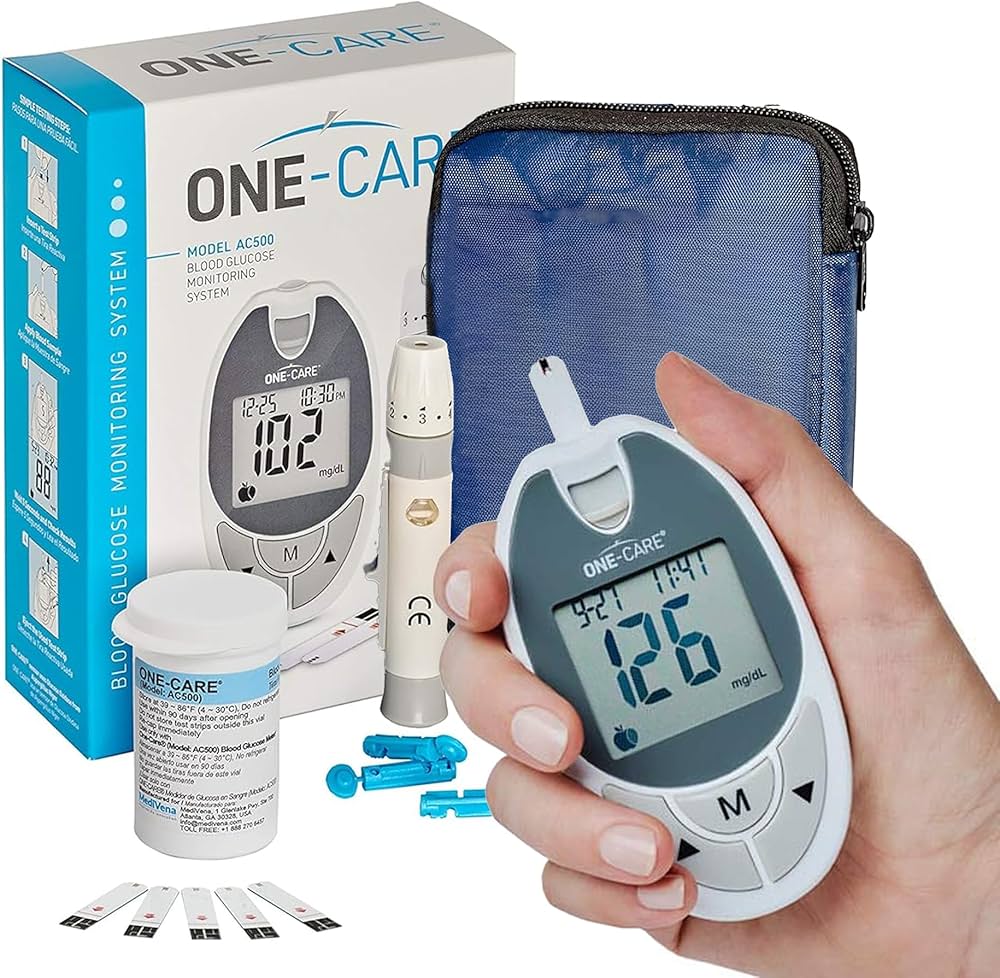
Keeping track of your levels helps you understand how your body responds to food and lifestyle changes. It also helps detect improvements early.
When to See a Healthcare Professional
Early testing can help prevent progression.
The National Health Service recommends regular blood tests for individuals with risk factors or a family history of diabetes.
It is advisable to seek medical guidance if you:
- Have multiple risk factors
- Notice persistent symptoms
- Have a family history of diabetes
Common tests include:
- Fasting blood glucose
- HbA1c (average blood sugar over time)
Early diagnosis allows for early intervention, which greatly improves outcomes.
Can It Progress to Diabetes?
Yes, it can progress if no action is taken. However, progression is not guaranteed. The World Health Organization warns that rising blood sugar levels over time can lead to serious complications affecting multiple organs.
Many people successfully return their blood sugar levels to a normal range through lifestyle changes alone. The earlier the intervention, the better the outcome.
Prevention Tips for Long-Term Health
- Maintain a balanced diet
- Stay physically active
- Avoid excessive sugar intake
- Keep a healthy body weight
- Go for regular health screenings
Small daily decisions often have the biggest long-term impact.
Conclusion
This stage should not be seen as a diagnosis to fear, but rather as an opportunity to act. It gives you the chance to make meaningful changes before more serious complications develop.
By paying attention to your body, making healthier choices, and staying consistent, you can take control of your health and prevent future problems.
FAQs
Can this condition be reversed?
Yes, many people return their blood sugar levels to normal through lifestyle changes.
How long does it take to see improvement?
This varies, but noticeable improvements can occur within a few months of consistent effort.
What foods should be limited?
Sugary drinks, refined carbohydrates, and highly processed foods.
Is it a serious condition?
It can become serious if ignored, but early action makes a big difference.
Follow VeeVee Health for more practical health tips:
📺 YouTube: https://www.youtube.com/@veeveehealth
🎵 TikTok: https://www.tiktok.com/@veeveehealth
📸 Instagram: https://www.instagram.com/veeveehealth
Related Post
-
Prediabetes: Signs, Causes, and How to Reverse It Early -
Foods That May Affect Your Blood Sugar With Prediabetes or Diabetes -
Hypoglycemia: When Your Blood Sugar Gets Too Low (Symptoms, Causes, Treatment & Prevention) -
Causes of Diabetes -
Top 10 Nigerian Fruits for Diabetes Control in Nigeria -
10 Nigerian Superfoods That Support Blood Pressure, Blood Sugar & Overall Health -
The Hidden Effects of Stress on Blood Pressure, Blood Sugar, and Weight -
10 Everyday Habits That Are Secretly Raising Your Blood Sugar (Even If You’re Not Diabetic) -
Best Nigerian Foods for Managing Diabetes -
Early Signs of Diabetes You Should Not Ignore

Vivian Okpala is a Public Health Educator and Founder of VeeVee Health. She creates evidence-based health content focused on blood sugar control, blood pressure management, weight management, and preventive health, with a strong emphasis on culturally relevant nutrition and lifestyle guidance.