Have you ever wondered why cases of diabetes, high blood pressure, and obesity are rising so fast—even among young people?
The answer may not just be genetics or lack of exercise…
It may be sitting right on your plate.
Ultra-processed foods have quietly taken over modern diets, especially in countries like the United States—and increasingly in African communities too. These foods are convenient, tasty, and addictive. But behind the flavour lies a serious health risk.
Studies show that high consumption of ultra-processed foods is linked to diabetes, hypertension, obesity, heart disease, and even cancer .
In this article, you will learn:
- What ultra-processed foods really are
- How they damage your body
- Why they are driving diabetes and high blood pressure
- And how to replace them with healthier, local alternatives
The World Health Organization recommends reducing processed food intake and focusing on whole, natural foods for better health outcomes.
What Are Ultra-Processed Foods?
Ultra-processed foods are industrial products made mostly from substances extracted from foods, with little or no whole ingredients.
They are designed to:
- Last longer (preservatives)
- Taste better (sugar, salt, fats)
- Be addictive (flavour enhancers)
According to research, these foods often contain high levels of sugar, salt, and unhealthy fats, while lacking fibre and essential nutrients .
📌 Examples of Ultra-Processed Foods
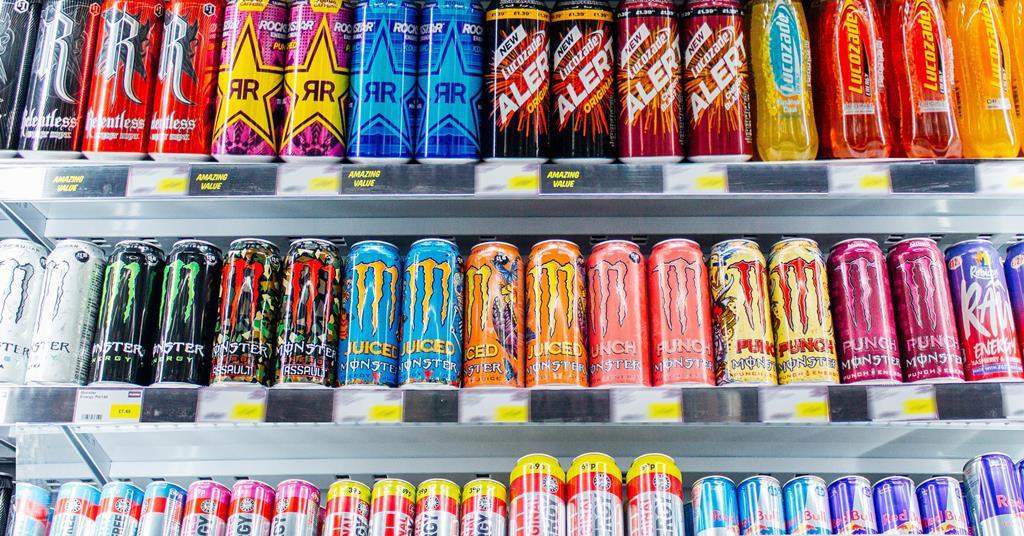
- Sugary drinks and sodas
- Instant noodles
- Packaged snacks (chips, biscuits)
- Processed meats (sausages, hot dogs)
- Breakfast cereals with added sugar
- Ready-made frozen meals
👉 In fact, ultra-processed foods now make up more than half of daily calorie intake in many Western diets.
According to the National Health Service, eating a balanced diet rich in whole foods can help prevent chronic conditions like diabetes and high blood pressure.
Why Ultra-Processed Foods Are Dangerous
1. They Increase Your Risk of Diabetes
Ultra-processed foods are one of the biggest hidden causes of type 2 diabetes.
Research shows:
- Higher consumption is linked to insulin resistance and blood sugar imbalance
- Every increase in intake significantly raises the risk of developing diabetes
đź’ˇ Why?
These foods are:
- High in refined sugars
- Low in fibre
- Quickly absorbed into the bloodstream
👉 This leads to:
- Blood sugar spikes
- Increased insulin demand
- Long-term pancreatic stress
2. They Raise Blood Pressure (Hypertension)
Many ultra-processed foods are loaded with excess sodium (salt).
High sodium intake is a major cause of:
- High blood pressure
- Stroke
- Heart disease
Studies show that ultra-processed food consumption is associated with increased risk of hypertension .
👉 Examples:
- Instant noodles
- Packaged soups
- Processed meats
3. They Cause Weight Gain and Obesity
Ultra-processed foods are:
- High in calories
- Low in satiety (they don’t fill you up)
This combination leads to overeating and weight gain.
Research shows that diets high in these foods are strongly linked to obesity and metabolic disorders .
👉 Why they make you overeat:
- Engineered to be addictive
- Stimulate the brain’s reward system
4. They Increase Risk of Heart Disease and Stroke
Large studies have shown that people who consume more ultra-processed foods have a higher risk of cardiovascular disease and stroke .
These foods:
- Increase cholesterol
- Promote inflammation
- Damage blood vessels
5. They Are Linked to Cancer and Multiple Diseases
Global research shows that higher intake of ultra-processed foods is associated with:
- Cancer
- Diabetes
- Heart disease
- Multiple chronic conditions at once
👉 This is why experts now consider ultra-processed foods a major public health concern.
The Hidden Trick: Why You Keep Craving Them
Ultra-processed foods are not just unhealthy—they are designed to keep you addicted.
They combine:
- Sugar
- Fat
- Salt
This combination:
- Tricks your brain
- Makes you crave more
- Overrides your natural hunger signals
👉 That’s why:
- You can eat a whole pack of biscuits without feeling full
- But feel satisfied after a simple home-cooked meal
Research published on PubMed Central shows that high consumption of ultra-processed foods is strongly associated with increased risk of diabetes, obesity, and cardiovascular diseases.
Ultra-Processed Foods in Nigerian Diets (Modern Reality)
Many people think ultra-processed foods are only a “Western problem”—but that is no longer true.
Today, in Nigeria and among Africans in the diaspora, we see:
đźš« Common Ultra-Processed Foods People Eat Daily
- Sweetened beverages and soft drinks
- White bread with additives
- Instant noodles (very popular!)
- Processed snacks
- Packaged juices
👉 These foods are gradually replacing traditional diets.
🥗 Traditional Nigerian Foods vs Ultra-Processed Foods
âś… Healthier Traditional Options
- Beans and plantain
- Yam porridge with vegetables
- Okra soup with fufu
- Oha, egusi, bitter leaf soups
- Fresh fruits (pawpaw, apple, orange)
These foods are:
- Rich in fibre
- Naturally balanced
- Better for blood sugar control
👉 The WHO recommends diets based on minimally processed foods for better health .
The American Heart Association warns that high sodium intake from processed foods significantly increases the risk of high blood pressure and heart disease.
The Real Problem: Convenience Over Health
Why are people eating more ultra-processed foods?
- Busy lifestyle
- Cheap and accessible
- Long shelf life
- Heavy marketing
👉 But the truth is:
Convenience today = chronic disease tomorrow.
🩺 How Ultra-Processed Foods Damage Your Body (Step-by-Step)
- You eat processed food
- Blood sugar spikes
- Insulin increases
- Fat storage increases
- Blood pressure rises
- Inflammation builds up
👉 Over time, this leads to:
- Diabetes
- Hypertension
- Obesity
- Heart disease
Experts from the Harvard T.H. Chan School of Public Health highlight that ultra-processed foods often contain excessive sugar, unhealthy fats, and additives that negatively impact health.
Warning Signs You’re Eating Too Many Ultra-Processed Foods
According to Johns Hopkins Bloomberg School of Public Health, ultra-processed foods are designed to be highly palatable and addictive, making it easier to overconsume them.
Here are key signs you should never ignore:
1. Constant Cravings for Sugary or Salty Foods
If you find yourself always craving biscuits, soft drinks, chocolates, or salty snacks, it may be a sign your body is getting used to ultra-processed foods.
These foods are designed to be highly addictive, combining sugar, salt, and unhealthy fats in a way that stimulates the brain’s reward system.
👉 Over time:
- Your natural appetite control is disrupted
- You crave more processed foods instead of real meals
- Healthy foods start to taste “boring”
According to the Johns Hopkins Bloomberg School of Public Health, ultra-processed foods are engineered to make you want more, not feel satisfied.
2. Unexplained Weight Gain (Especially Belly Fat)
Have you noticed weight gain even when you don’t feel like you’re eating that much?
Ultra-processed foods are:
- High in empty calories
- Low in fibre
- Poor at keeping you full
👉 This leads to:
- Overeating
- Fat accumulation (especially around the abdomen)
- Increased risk of obesity
Belly fat is particularly dangerous because it is strongly linked to diabetes and heart disease.
3. Feeling Tired or Sluggish After Eating
Do you often feel sleepy or weak after meals?
This is a common sign of blood sugar spikes and crashes caused by processed foods.
👉 What happens:
- Rapid increase in blood sugar
- Sudden insulin release
- Energy crash shortly after
The National Health Service explains that diets high in sugar and refined foods can lead to unstable energy levels and fatigue.
4. You Feel Hungry Soon After Eating
One of the biggest red flags is eating a full meal but still feeling hungry shortly after.
Ultra-processed foods lack:
- Fibre
- Protein
- Essential nutrients
👉 As a result:
- Your body doesn’t feel satisfied
- Hunger returns quickly
- You end up snacking more
This cycle contributes heavily to weight gain and poor blood sugar control.
5. Frequent Blood Sugar Fluctuations
If you monitor your blood sugar (or feel symptoms like dizziness, sweating, or shakiness), ultra-processed foods may be the cause.
👉 These foods:
- Cause rapid spikes in blood sugar
- Lead to sudden drops (crashes)
- Increase risk of insulin resistance
Research on PubMed Central shows a strong link between ultra-processed food consumption and metabolic disorders.
6. Elevated Blood Pressure Readings
Many ultra-processed foods contain hidden salt (sodium), which can silently raise your blood pressure over time.
👉 Common culprits:
- Instant noodles
- Packaged soups
- Processed meats
The American Heart Association warns that excess sodium intake is a major driver of hypertension.
7. Brain Fog and Poor Concentration
If you struggle with focus, memory, or mental clarity, your diet could be a factor.
Ultra-processed foods:
- Lack essential nutrients needed for brain function
- Cause blood sugar instability
- Increase inflammation
👉 This can lead to:
- Poor concentration
- Mood swings
- Reduced productivity
8. Mood Swings and Irritability
Your diet directly affects your mental health.
Frequent intake of ultra-processed foods has been linked to:
- Anxiety
- Irritability
- Low mood
👉 Why?
Because of:
- Blood sugar instability
- Poor gut health
- Lack of essential vitamins
9. Skin Problems (Acne, Dull Skin)
What you eat shows on your skin.
Ultra-processed foods can:
- Increase inflammation
- Trigger acne
- Reduce skin glow
👉 High sugar intake is especially linked to skin breakouts and premature aging.
10. Digestive Issues (Bloating, Constipation)
If you often experience bloating or constipation, it may be due to low fibre intake.
Ultra-processed foods are typically:
- Low in fibre
- High in artificial ingredients
👉 This disrupts:
- Gut health
- Digestion
- Nutrient absorption
How to Reduce Ultra-Processed Foods (Practical Steps)
1. Eat More Whole Foods
- Fresh vegetables
- Fruits
- Whole grains
- Lean proteins
2. Cook More at Home
- Control ingredients
- Reduce salt and sugar
- Avoid hidden additives
3. Read Food Labels
Avoid products with:
- Long ingredient lists
- Artificial additives
- High sugar and sodium
4. Replace Smartly (Simple Swaps)
| Instead of ❌ | Choose ✅ |
|---|---|
| Sugary drinks | Water or fresh juice |
| Instant noodles | Homemade rice + vegetables |
| Packaged snacks | Fruits or nuts |
| Processed meat | Fresh fish or chicken |
5. Follow the 80/20 Rule
- 80% whole foods
- 20% processed (occasionally)
Can You Completely Avoid Ultra-Processed Foods?
Let’s be realistic—you don’t have to eliminate them completely.
But reducing them significantly can:
- Improve blood sugar
- Lower blood pressure
- Help with weight loss
- Reduce disease risk
👉 Even small changes can make a big difference.
Conclusion
Ultra-processed foods may look harmless, but they are silently driving the rise of:
- Diabetes
- High blood pressure
- Obesity
- Heart disease
The good news?
You have the power to change this.
By returning to natural, traditional, and minimally processed foods, you can protect your health and live longer.
If you found this helpful, share this post to help someone else.
👉 Follow VeeVee Health for more practical health tips
👉 Read more on: https://veeveehealth.com
👉 Watch our videos on YouTube: https://www.youtube.com/@veeveehealth
👉 Follow on TikTok: https://www.tiktok.com/@veeveehealth
👉 Instagram: https://www.instagram.com/veeveehealth
âť“ FAQs
1. What are ultra-processed foods?
Ultra-processed foods are industrially manufactured foods with little or no whole ingredients, often high in sugar, salt, and unhealthy fats.
2. Do ultra-processed foods cause diabetes?
Yes, research shows they increase the risk of insulin resistance and type 2 diabetes.
3. Are all processed foods bad?
No. Some processing is harmless (e.g., freezing, drying). The problem is ultra-processing with additives.
4. Can I still eat them occasionally?
Yes, but they should not form the majority of your diet.
5. What is the healthiest diet?
A diet rich in whole, minimally processed foods is the healthiest and recommended globally.
-
Prediabetes: Signs, Causes, and How to Reverse It Early -
Cervical Cancer: Signs and Symptoms, Causes, Risk Factors, and Prevention -
Breast Cancer: Symptoms, Causes, Risk Factors, and Prevention -
Common Types of Cancer You Should Know About -
Healthy Foods That Naturally Support Fat Burning and Metabolism -
Foods That May Affect Your Blood Sugar With Prediabetes or Diabetes -
Colorectal Cancer: Causes, Symptoms, Prevention, and What You Must Know to Protect Your Gut Health -
Hypoglycemia: When Your Blood Sugar Gets Too Low (Symptoms, Causes, Treatment & Prevention) -
Prostate Cancer in Nigeria: Causes, Symptoms, Prevention, Treatment & Natural Lifestyle Support -
Causes of Diabetes

Vivian Okpala is a Public Health Educator and Founder of VeeVee Health. She creates evidence-based health content focused on blood sugar control, blood pressure management, weight management, and preventive health, with a strong emphasis on culturally relevant nutrition and lifestyle guidance.
Processed food is one bad food that many people haven’t seen anything wrong with it
Fruits and vegetables should be our options when it comes to what we eat
Have control on every thing you are eating especially ultra -processed food to avoid had unhealthy living or sickness.
Vegetables and fruits are good for health but with healthy routine like morning sun, exercise, drinking water, sleeping enough etc. you are good to go free from sickness.