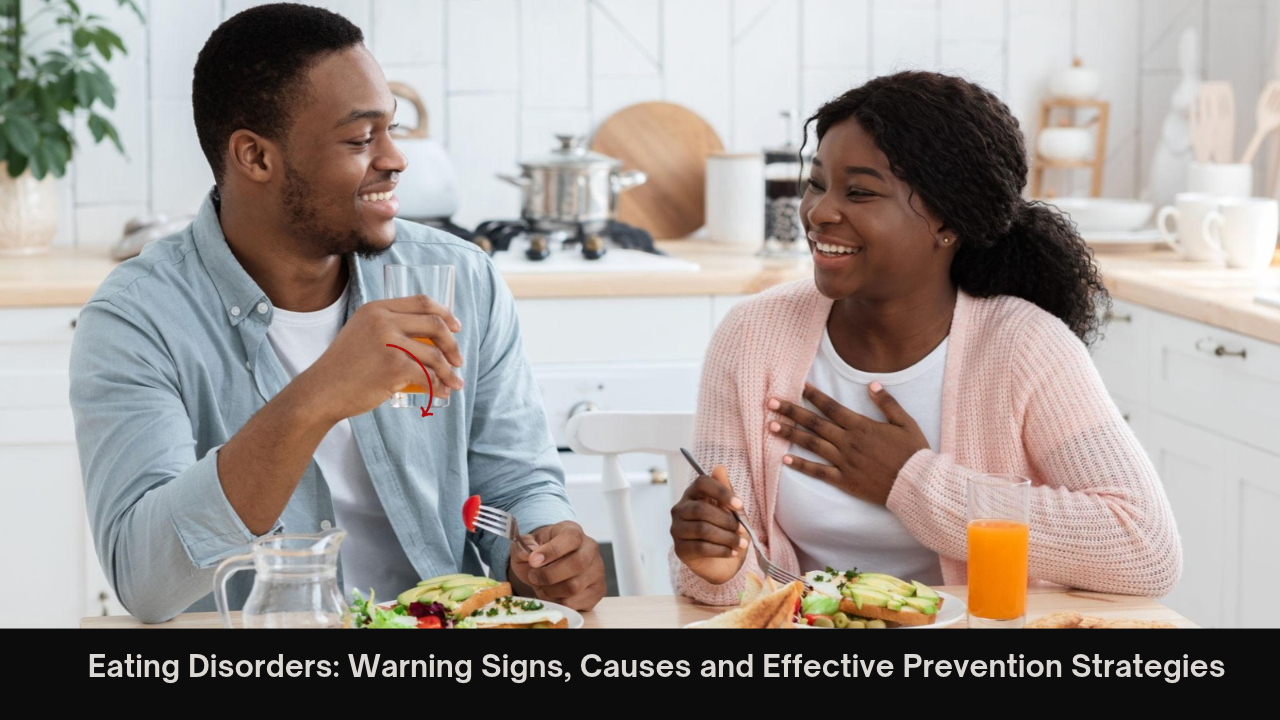



Eating Disorders: Warning Signs, Causes and Effective Prevention Strategies

Eating Disorders

Key Takeaways

  • Eating disorders are serious mental health conditions involving unhealthy relationships with food, eating and body image.

  • They can affect people of any age, sex, body size or background.

  • Common types include anorexia nervosa, bulimia nervosa and binge eating disorder.

  • Causes are complex and may involve biological, psychological, social and environmental factors.

  • Prevention focuses on healthy body image, supportive environments, reducing stigma and recognising warning signs early.

  • Early professional assessment and treatment improve the chances of recovery.

Eating disorders are serious mental health conditions that affect a person’s relationship with food, eating habits, body image and weight. They can lead to harmful eating behaviours, emotional distress and significant physical health complications.

Although eating disorders are often associated with young women and extreme weight loss, this perception is incomplete. They can affect men, women, teenagers, children and adults of different body sizes, cultures and backgrounds. Some people may appear to have a healthy body weight while experiencing a serious eating disorder.

In today’s society, social media pressure, unrealistic beauty standards, body shaming, restrictive dieting and the constant promotion of particular body shapes can influence how people perceive their bodies and eating habits. However, eating disorders are not simply the result of wanting to lose weight or lacking self-control. They are complex conditions involving several interacting factors.

Understanding eating disorders is important because early recognition, supportive environments and access to professional care can make a significant difference. Although there is no guaranteed way to prevent every eating disorder, public health education and early intervention can help reduce some risk factors and encourage healthier attitudes towards food and body image.

In this article, we explore nine important warning signs, common types, possible causes, risk factors and practical prevention strategies.

Who can develop an eating disorder?

Anyone can develop an eating disorder, regardless of:

  • Age.

  • Sex or gender.

  • Ethnicity or cultural background.

  • Body size or weight.

  • Income or educational background.

  • Occupation or social status.

Although some eating disorders are more commonly identified in particular age groups, they can develop at any stage of life. They can also affect people who appear physically healthy.

It is important not to assume that someone does not have an eating disorder simply because they do not look underweight.

Warning Signs of Eating Disorders

Recognising the warning signs is an important step towards early intervention. The signs may develop gradually, and not everyone will experience all of them.

Restricting food intake

A person may regularly skip meals, eat very small portions, avoid entire food groups or follow increasingly restrictive food rules.

They may become anxious about eating certain foods or feel guilty after eating.

Intense fear of gaining weight

Some individuals develop an overwhelming fear of gaining weight, even when they are already underweight or their eating habits are harming their health.

Their thoughts may become increasingly focused on calories, weight, body shape and food choices.

Binge eating

Binge eating involves eating an unusually large amount of food within a relatively short period while experiencing a feeling of loss of control.

A person may eat rapidly, continue eating when uncomfortably full or eat privately because they feel embarrassed or ashamed.

Self-induced vomiting or misuse of laxatives

Some people may try to compensate for eating by making themselves vomit or misusing laxatives, diuretics or other substances.

These behaviours can cause serious complications, including dehydration and dangerous electrolyte imbalances.

Excessive exercise

Exercise is generally beneficial for physical and mental health. However, it can become concerning when someone feels compelled to exercise excessively to compensate for eating or prevent weight gain.

They may continue exercising despite injury, illness, exhaustion or medical advice to rest.

Avoiding meals with other people

A person may begin avoiding family meals, social gatherings, restaurants or celebrations because eating around other people causes anxiety.

They may make excuses for not eating or become increasingly isolated from social activities involving food.

Frequent weighing and body checking

Repeatedly checking body weight, measuring body parts, looking in mirrors or comparing their appearance with others may indicate an unhealthy preoccupation with body image.

These behaviours can become distressing and interfere with daily life.

Changes in mood and behaviour

Eating disorders may be accompanied by anxiety, irritability, depression, withdrawal, low self-esteem or difficulty concentrating.

A person may become unusually distressed when their eating routine changes or when they cannot follow their food-related rules.

Physical changes and unexplained health problems

Depending on the eating disorder and its severity, physical signs may include:

  • Persistent tiredness and weakness.

  • Dizziness or fainting.

  • Feeling unusually cold.

  • Digestive problems such as constipation or bloating.

  • Changes in menstrual periods.

  • Hair thinning or hair loss.

  • Dental problems associated with repeated vomiting.

  • Changes in heart rate or blood pressure.

These symptoms should not be ignored. Eating disorders can cause serious physical complications, even when a person’s weight appears to be within a typical range.

Important: These signs do not independently confirm an eating disorder. If you notice persistent changes in eating behaviour, body image or physical health, seek assessment from a qualified healthcare professional.

Common Types of Eating Disorders

Eating disorders can take different forms. Understanding the main types helps people recognise that disordered eating does not look the same in everyone.

Anorexia nervosa

Anorexia nervosa is an eating disorder characterised by restricted food intake, an intense fear of gaining weight and difficulties with how a person experiences or evaluates their body weight or shape.

People with anorexia may:

  • Eat very little.

  • Avoid foods they consider high in calories.

  • Exercise excessively.

  • Weigh themselves frequently.

  • Experience significant weight loss.

  • Have a distorted perception of their body.

Anorexia can cause severe malnutrition and affect the heart, bones, hormones and other organs.

Bulimia nervosa

Bulimia nervosa involves repeated episodes of binge eating followed by behaviours intended to compensate for the food consumed.

These behaviours may include:

  • Self-induced vomiting.

  • Misuse of laxatives or diuretics.

  • Fasting or severe food restriction.

  • Excessive exercise.

Unlike anorexia, a person with bulimia may not appear underweight. Their body weight may remain within a typical range, which can make the condition harder for others to recognise.

Binge eating disorder

Binge eating disorder involves repeated episodes of eating unusually large quantities of food while experiencing a loss of control.

A person may:

  • Eat rapidly.

  • Continue eating when uncomfortably full.

  • Eat when they are not physically hungry.

  • Eat alone because of embarrassment.

  • Feel guilty, ashamed or distressed afterwards.

Unlike bulimia, binge eating disorder does not involve regular compensatory behaviours such as self-induced vomiting.

Other Specified Feeding or Eating Disorder (OSFED)

OSFED describes eating disorders that cause significant distress or impairment but do not fit all the diagnostic criteria for a specific eating disorder.

For example, someone may experience serious restrictive eating, binge eating or compensatory behaviours without meeting every criterion for anorexia or bulimia.

OSFED is not necessarily less serious. People experiencing it may still need specialist assessment and treatment.

What Causes Eating Disorders?

There is no single cause of eating disorders. Research suggests that they develop through a combination of biological, psychological, social and environmental influences.

The NHS explanation of eating disorders identifies several factors that may increase a person’s vulnerability.

Biological and genetic factors

Some people may have a greater biological or genetic vulnerability to eating disorders.

Having a close family member with an eating disorder or certain other mental health conditions may increase risk. However, family history does not mean someone will inevitably develop an eating disorder.

Psychological factors

Certain psychological experiences and characteristics may contribute to vulnerability, including:

  • Low self-esteem.

  • Perfectionism.

  • Anxiety.

  • Depression.

  • Difficulty managing emotions.

  • A strong need for control.

These factors do not cause eating disorders in every person, but they may contribute to the development or maintenance of unhealthy eating behaviours.

Social and cultural pressures

Society often promotes unrealistic expectations about physical appearance. Images of particular body shapes and sizes may be presented as the standard of beauty, success or attractiveness.

Repeated exposure to these messages can contribute to body dissatisfaction and unhealthy attempts to change weight or appearance.

Childhood experiences and trauma

Bullying, abuse, neglect, discrimination and other adverse experiences may increase vulnerability to eating disorders in some individuals.

Not everyone who experiences trauma develops an eating disorder, and not everyone with an eating disorder has experienced trauma.

Social media and body image pressure

Social media can expose people to unrealistic or heavily edited images, appearance-based comparisons and messages that promote restrictive diets or extreme weight-loss practices.

For some individuals, repeated exposure to these messages may contribute to dissatisfaction with their bodies and unhealthy eating behaviours.

However, social media is not the sole cause of eating disorders. Its influence varies between individuals and interacts with other factors.

Who Is at Risk of Developing an Eating Disorder?

Eating disorders can affect anyone, but some factors may increase vulnerability.

These include:

  • A personal or family history of eating disorders.

  • A history of anxiety, depression or other mental health difficulties.

  • Low self-esteem or persistent body dissatisfaction.

  • Experience of bullying, weight-based teasing or discrimination.

  • Pressure to maintain a particular body shape or weight.

  • Participation in activities where appearance or weight is heavily emphasised, such as some sports, dance, modelling and performance.

  • Significant life changes, stress or traumatic experiences.

The NICE eating disorders guideline highlights the importance of recognising eating disorders in different settings and assessing people early.

Risk factors are not predictions. Many people experience some of these circumstances without developing an eating disorder, while others develop one without an obvious risk factor.

Can Eating Disorders Be Prevented?

There is no guaranteed method of preventing all eating disorders. Their causes are complex, and some risk factors cannot be controlled.

However, public health education, supportive family environments, positive body-image messages and early recognition may help reduce some risk factors and encourage people to seek help sooner.

Prevention should not focus on blaming individuals or families. It should involve creating environments that support healthy relationships with food, body image and mental health.

Seven Practical Strategies for Eating Disorder Prevention and Risk Reduction

Although no strategy can guarantee that an eating disorder will not develop, the following approaches can contribute to healthier environments and earlier support.

Strategies for Eating Disorder Prevention and Risk Reduction

1. Promote a positive and realistic body image

Encourage people to appreciate their bodies for what they can do rather than judging themselves only by appearance.

Children and young people should grow up understanding that bodies naturally differ in shape, size and development.

Parents, teachers and caregivers can help by avoiding negative comments about their own bodies or other people’s appearance.

2. Encourage a healthy relationship with food

Food should not be treated as a reward, punishment or source of shame.

Promote balanced, flexible eating habits rather than extreme dietary restrictions or rigid food rules.

It is also important to avoid labelling foods or people in ways that create unnecessary guilt, fear or shame.

3. Challenge unrealistic beauty standards

Families, schools, media organisations and community groups can help challenge the idea that one particular body shape represents beauty, success or good health.

Promoting realistic and diverse representations of bodies can help reduce harmful appearance-based comparisons.

4. Promote responsible social media use

Encourage children, teenagers and adults to think critically about online content.

People should understand that photographs may be edited, filtered or carefully staged and may not represent everyday reality.

It can also be helpful to unfollow accounts that consistently promote unhealthy comparisons, extreme dieting or body shaming.

5. Prevent bullying and weight-based discrimination

Schools, workplaces and communities should challenge bullying related to body size, weight or appearance.

Comments such as “You are too fat”, “You need to lose weight” or “You are too skinny” can contribute to shame and distress.

Weight-based teasing should not be dismissed as harmless joking.

6. Strengthen emotional well-being and coping skills

Promoting emotional awareness, self-esteem, healthy relationships and effective coping strategies can support mental well-being.

Children and young people should have safe opportunities to talk about stress, anxiety, bullying and body-image concerns.

Where emotional difficulties persist, appropriate mental health support should be available.

7. Recognise early warning signs and seek help

Families, teachers, coaches and healthcare professionals should be able to recognise changes in eating behaviour, exercise habits, mood and physical health.

Early concerns should be approached with compassion rather than criticism or punishment.

If an eating disorder is suspected, encourage professional assessment rather than waiting for the person to become visibly underweight or seriously unwell.

Public health message: Prevention is not about controlling people’s bodies or policing their food choices. It is about promoting supportive environments, reducing harmful pressures, encouraging healthy attitudes and making professional help accessible.

8. Diagnosis and Treatment: Why Early Help Matters

Eating disorders are diagnosed through professional assessment. Healthcare professionals may explore a person’s eating patterns, thoughts about food and body image, mental health, medical history and physical well-being.

Assessment may involve a GP, psychiatrist, psychologist, specialist eating disorder clinician and dietitian.

A person’s body weight or BMI should not be used alone to decide whether they have an eating disorder or whether they need treatment. Someone can be seriously unwell without appearing underweight.

Treatment options

Treatment depends on the type of eating disorder, the person’s age, symptoms, physical health and individual needs.

It may include:

  • Psychological therapies: Specialist psychological approaches can help people understand and change harmful eating behaviours, thoughts and emotional patterns.

  • Nutritional support: A suitably qualified professional may help the person establish adequate and consistent nutrition.

  • Medical monitoring: Healthcare professionals may monitor physical health, including heart function, blood pressure and blood tests where appropriate.

  • Family-based support: Family involvement may be particularly important for children and young people.

  • Specialist services: Some people need more intensive outpatient, day-patient or inpatient care.

The NICE guideline on eating disorders recommends early assessment and treatment, with care tailored to the individual.

Can people recover from eating disorders?

Yes. Recovery is possible. Some people recover fully, while others may experience periods of improvement and setbacks and need continuing support.

Recovery is not always a straightforward process, but early access to appropriate care can make a meaningful difference.

9. How Families and Communities Can Support Someone With an Eating Disorder

Support from family, friends, schools and communities can play an important role in recovery.

If you suspect that someone close to you has an eating disorder:

  • Approach them privately and calmly.

  • Express concern without criticising their body or eating habits.

  • Listen to their experiences without judgement.

  • Avoid comments about their weight or appearance.

  • Encourage them to speak to a qualified healthcare professional.

  • Offer practical support, such as accompanying them to an appointment.

  • Respect their dignity and privacy.

  • Encourage family members to seek guidance on how best to help.

Avoid statements such as “Just eat more”, “You look fine” or “Why can’t you control yourself?” These comments can make someone feel misunderstood and less willing to seek help.

Diverse Black African adults participating in an inclusive community wellbeing activity.

Eating disorders and stigma in African communities

In some African communities, eating disorders may be misunderstood or overlooked. People may assume that an eating disorder only affects wealthy families, celebrities, young women or people who are visibly underweight.

Others may dismiss disordered eating as stubbornness, vanity, attention-seeking or a deliberate attempt to lose weight.

These assumptions can delay recognition and professional support.

We need to create communities where people can talk openly about food, body image and mental health without being ridiculed or shamed.

Parents, teachers, faith leaders, healthcare professionals and community organisations can contribute by promoting accurate information and encouraging early help-seeking.

When Should You Seek Medical Help?

Seek professional help if you or someone you know is experiencing persistent food restriction, binge eating, self-induced vomiting, misuse of laxatives, excessive exercise or intense distress about body weight and shape.

Do not wait until someone becomes severely underweight. Eating disorders can cause serious physical complications at different body weights.

Seek urgent medical attention if someone experiences fainting, chest pain, severe weakness, confusion, significant dehydration, an irregular heartbeat or other signs of medical instability. If there is immediate danger, contact emergency services.

In the UK, you can contact your GP or NHS 111 for urgent advice. If someone is seriously unwell or in immediate danger, call 999 or attend A&E.

Conclusion

Eating disorders are serious mental health conditions that can affect people of any age, sex, body size or background. They are not simply about food, dieting or appearance. They involve complex interactions between biological, psychological, social and environmental factors.

Although there is no guaranteed way to prevent every eating disorder, we can promote healthier relationships with food and body image, challenge unrealistic beauty standards, reduce bullying and weight-based stigma, and create supportive environments where people feel safe asking for help.

Most importantly, we must recognise the warning signs early and encourage professional assessment without judgement.

At VeeVee Health, we believe that health education, awareness and early intervention are essential for building healthier individuals, families and communities.

Remember: Eating disorders are treatable, recovery is possible, and nobody should have to struggle in silence.

References

Frequently Asked Questions About Eating Disorderseading Text Here

1. What is the most common eating disorder?

Binge eating disorder is widely recognised as one of the most common eating disorders. However, prevalence varies between populations and studies.

2. Can someone have an eating disorder without being underweight?

Yes. People with bulimia nervosa, binge eating disorder and other eating disorders may have a wide range of body weights. Weight alone cannot establish whether someone has an eating disorder.

3. What are the first signs of an eating disorder?

Early signs may include skipping meals, becoming increasingly restrictive about food, intense concerns about body weight, avoiding meals with others, excessive exercise or frequent binge eating.

4. Are eating disorders mental illnesses?

Yes. Eating disorders are recognised mental health conditions. They can also have serious physical consequences and require appropriate healthcare.

5. Can social media cause eating disorders?

Social media is not a single cause. However, repeated exposure to unrealistic beauty standards, appearance-based comparisons and harmful dieting messages may contribute to body dissatisfaction and unhealthy eating behaviours in some people.

6. Can men develop eating disorders?

Yes. Eating disorders affect men and boys as well as women and girls. They may be under-recognised in men because of stereotypes about who develops these conditions.

7. Can eating disorders be prevented?

There is no guaranteed prevention method. However, promoting positive body image, reducing weight-based bullying, encouraging healthy attitudes towards food and recognising warning signs early may help reduce some risk factors.

8. Are eating disorders treatable?

Yes. Treatment may include psychological therapy, nutritional support, medical monitoring and family involvement. Recovery is possible.

Featured Posts

Men's mental health
Men's Mental Health in Nigeria: The Silent Struggles We Need to Talk About
Men’s mental health in Nigeria is an important public health issue that deserves greater attention....
Signs of Mental Health Problems
Early Warning Signs of Mental Health Problems: 10 Crucial Signs You Should Never Ignore
Mental health is an essential part of overall wellbeing. It influences how we think, feel, behave, relate...

Mental Health Stigma: 7 Powerful Ways to Break the Silence and Encourage Help-Seeking.
Mental Health Stigma: Why Are People Afraid to Seek Help?
Mental health is an essential part of overall health, yet discussing emotional distress and mental illness...

Mental Health Awareness
Mental Health Awareness: 10 Harmful Myths We Must Stop Believing
Mental health awareness has become an increasingly important public health issue. Conversations about...
Mental Health Literacy: 7 Powerful Reasons Everyone Should Understand Mental Health
Mental health is an essential part of overall health, yet it remains one of the most misunderstood areas...
Rapid Weight Loss
Rapid Weight Loss: 9 Hidden Health Risks of Slimming Products and Extreme Dieting
Rapid weight loss has become an increasingly visible trend, particularly on social media, where dramatic...
Eating Disorders
Eating Disorders: Warning Signs, Causes and Effective Prevention Strategies
Key Takeaways Eating disorders are serious mental health conditions involving unhealthy relationships...

Schizophrenia
Schizophrenia: 9 Important Facts, Warning Signs and Effective Treatment Options
Schizophrenia is a mental health condition that is often misunderstood, feared and surrounded by stigma....

Black African woman experiencing emotional distress associated with PTSD.
Post-Traumatic Stress Disorder (PTSD): Causes, Signs and Symptoms, Risk Factors, Diagnosis and Treatment
PTSD (Post-Traumatic Stress Disorder) is a mental health condition that can develop after a person experiences...
mental health consultation
Bipolar Disorder: Causes, Signs and Symptoms, Types, Diagnosis and Treatment
Key Takeaways Bipolar disorder is a mental health condition characterised by significant changes in...

Medical disclaimer: This article is for general health education and informational purposes only. It does not replace professional medical advice, diagnosis or treatment. Anyone experiencing symptoms of an eating disorder should seek assessment from a qualified healthcare professional.

Share this post

Discover more from Veevee Health

Subscribe to get the latest posts sent to your email.

Leave a Comment

Your email address will not be published. Required fields are marked *

Scroll to Top

Discover more from Veevee Health

Subscribe now to keep reading and get access to the full archive.

Continue reading