

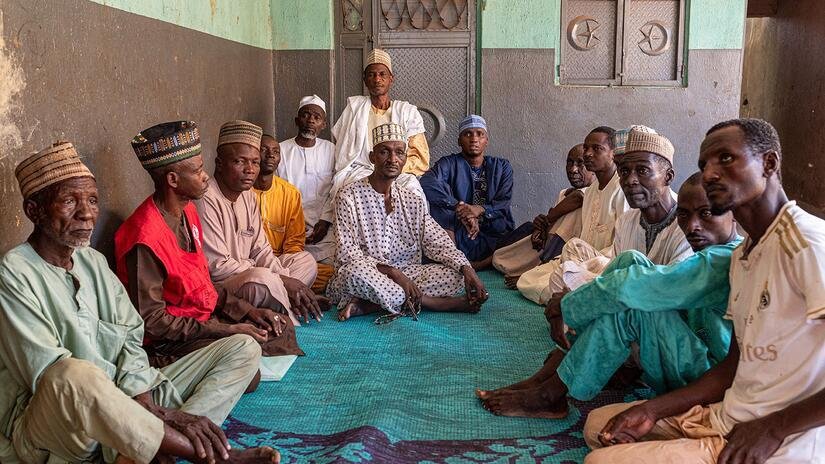

Men’s mental health in Nigeria is an important public health issue that deserves greater attention. Across the country, many men face financial pressure, unemployment, relationship difficulties, depression, anxiety and social expectations that make it difficult to speak openly about their struggles. While society often expects men to remain strong and provide for their families, their emotional and psychological wellbeing is frequently overlooked. Understanding men’s mental health in Nigeria is an important step towards breaking the silence, reducing stigma and encouraging men to seek support when they need it.
But men are human too. They experience sadness, fear, anxiety, disappointment, loneliness, grief and emotional exhaustion. They can struggle with depression, trauma, relationship difficulties, financial pressure and other psychological challenges.
The problem is not that men experience emotional difficulties. The problem is that many men feel they cannot openly acknowledge those difficulties or seek help without being judged.
What is men's mental health?
Men’s mental health refers to men’s emotional, psychological and social wellbeing. It influences how they think, feel, behave, manage stress, maintain relationships and cope with everyday challenges.
It is not simply the absence of mental illness. It also involves the ability to understand and manage emotions, maintain meaningful relationships, make decisions, adapt to changes and seek support when necessary.
Men, just like women, can experience mental health conditions such as:
Depression.
Anxiety disorders.
Bipolar disorder.
Post-traumatic stress disorder (PTSD).
Substance use disorders.
Other psychological difficulties associated with trauma, grief and prolonged stress.
However, mental health difficulties do not always present in the same way in everyone. Some men may openly express sadness or anxiety, while others may become withdrawn, unusually irritable, engage in risky behaviours or turn to alcohol and other substances as unhealthy ways of coping.
These behaviours do not automatically indicate a mental health condition, but persistent changes deserve attention.
Why should we pay attention to men's mental health in Nigeria?
Men’s mental health matters because it affects more than the individual. It influences families, relationships, parenting, workplaces and communities.
Consider a man who is struggling financially but feels unable to tell his family because he believes he must always provide. Consider a father experiencing depression who continues going to work every day while silently battling emotional distress. Consider a young man who turns to alcohol or drugs because he has never learned how to communicate or manage his emotional difficulties.
These situations remind us that mental health challenges can exist behind responsibilities, achievements and outward appearances.
When men’s mental health is ignored, the consequences may extend to their physical health, family relationships, productivity and overall quality of life.
What does research tell us about men's mental health in Nigeria?
A Nigerian study published in 2023 by Ekoha and colleagues explored barriers to professional mental health support among 24 men aged 18–38.
The researchers identified several barriers, including stigma, concerns about confidentiality and trust, cost, limited availability of services and expectations surrounding masculinity. The study also explored how digital mental health support could improve access to professional care.
This finding is important because it shows that men’s reluctance to seek help should not simply be interpreted as a lack of interest in their wellbeing. Social expectations and healthcare barriers also influence their decisions.
A man does not have to suffer in silence
We need to move away from the belief that being a man means suppressing emotions, hiding vulnerability or carrying every responsibility alone.
A man can be strong and still cry. He can be responsible and still feel overwhelmed. He can provide for his family and still need emotional support. He can be successful and still experience depression or anxiety.
Seeking mental health support does not make a man weak. It is an important step towards protecting his health and wellbeing.
The Silent Struggles Affecting Men’s Mental Health in Nigeria
Men in Nigeria face different social, economic, family and personal pressures that can affect their mental health. Some of these struggles are openly discussed, while others remain hidden behind expectations that men should always be strong, provide for their families and handle their problems without help.
It is important to recognise that not every man experiences these challenges, and experiencing any one of them does not automatically mean someone has a mental health condition. However, when difficulties become prolonged or overwhelming, they can affect emotional wellbeing and increase the need for support.
1. Financial pressure and the burden of providing
For many Nigerian men, financial responsibility can become a major source of psychological stress. The expectation to provide for a wife, children, parents or other relatives may create intense pressure, particularly when income is unstable or employment opportunities are limited.
The rising cost of living, unemployment, business losses, debt and difficulty meeting basic household needs can contribute to persistent worry, anxiety, frustration and feelings of inadequacy.
A Nigerian study analysing 350 suicide reports published in ten newspapers between 2010 and 2019 identified financial constraints among the factors frequently assumed to have contributed to reported suicide cases. However, these were newspaper reports, not a nationally representative survey, and the circumstances reported do not establish the cause of each death (Oyetunji et al., 2021).
For a man who measures his worth by his ability to provide, financial difficulties may affect not only his finances but also his confidence, self-esteem and sense of identity.
2. Depression and emotional distress
Depression is not simply feeling sad after a difficult day. It is a mental health condition that can affect mood, thinking, sleep, appetite, energy, motivation and everyday functioning.
According to the World Health Organization (WHO), depression involves persistent low mood or loss of interest and pleasure in activities. It can affect relationships, work and other areas of everyday life.
Some men experiencing depression may describe persistent sadness, hopelessness or emotional exhaustion. Others may become unusually irritable, withdraw from family and friends, lose interest in activities they previously enjoyed or struggle to concentrate.
These changes should not automatically be dismissed as anger, laziness or a bad attitude. Men can experience depression, and they deserve the opportunity to receive appropriate assessment, support and treatment.
3. Anxiety and fear of failure
The pressure to succeed, maintain employment, build a business, support a family and meet personal expectations can leave some men feeling constantly worried about the future.
A man may worry about losing his job, disappointing his family, failing in business, being unable to pay school fees or not achieving the goals he set for himself.
Anxiety can involve excessive worry, restlessness, difficulty concentrating, sleep problems and physical symptoms. When these experiences persist and interfere with daily functioning, professional assessment may be helpful. The NHS guide to anxiety disorders explains the different forms of anxiety and when to seek help.
4. Loneliness and social isolation
Being surrounded by people does not necessarily mean someone feels emotionally supported.
Some men have friends, colleagues and family members but still struggle to find someone with whom they can speak honestly about their fears, disappointments and emotional difficulties.
Others withdraw when they experience financial problems, relationship difficulties, bereavement or unemployment because they feel ashamed or do not want others to know what they are going through.
The WHO identifies social connection as an important factor in health and wellbeing. Persistent loneliness and social isolation can have negative consequences for mental and physical health (WHO: Social connection).
Having trusted people to talk to and maintaining meaningful social connections can therefore play an important role in supporting men’s wellbeing.
5. Substance use and unhealthy coping mechanisms
Some men may turn to alcohol or other substances when they are struggling with stress, grief, anxiety, depression or difficult life experiences.
They may initially use these substances to relax, forget their problems, sleep or feel more confident in social situations. However, relying on alcohol or drugs to manage emotional pain can create additional problems, including dependence, family conflict, financial difficulties and worsening mental health.
A Nigerian study by Nnadi et al. (2023) explored how 24 young men in Nsukka, Enugu State, managed mental health challenges. Participants described using different coping approaches, including support from friends and family, romantic partners, alcohol and social media. Only a few had sought professional assistance.
The researchers also identified stigma, concerns about confidentiality, perceived cost of services and cultural expectations of men as barriers to professional support. Although the study involved a small group and cannot represent every Nigerian man, it offers useful insight into some of the challenges young men may face.
6. Relationship, marital and family pressures
Relationship difficulties can affect men’s emotional wellbeing just as they affect women’s.
Marital conflict, separation, divorce, domestic abuse, emotional neglect, family disagreements and difficulties with parenting can contribute to stress, anxiety, depression and feelings of loneliness.
In the Nigerian newspaper-report study discussed earlier, marital conflict was among the factors frequently assumed to have contributed to reported suicide cases (Oyetunji et al., 2021). This does not mean relationship problems inevitably lead to suicide, but it highlights why serious emotional distress associated with family difficulties should not be ignored.
It is also important to acknowledge that men can experience emotional and physical abuse within relationships. Their experiences should not be dismissed simply because they are men.
7. Unemployment, career setbacks and loss of identity
For some men, employment is closely connected to their sense of purpose, independence and identity. Losing a job, experiencing repeated rejection, struggling to establish a career or watching a business fail can therefore be deeply distressing.
Unemployment may also lead to financial dependence, reduced social interaction, family tension and uncertainty about the future.
A man who once felt confident and independent may begin to question his abilities and worth when he cannot find work or meet his responsibilities.
Support during these periods should include practical assistance with employment and finances, as well as attention to emotional wellbeing.
8. Grief, trauma and unresolved painful experiences
Men experience grief and trauma following the death of loved ones, childhood abuse, accidents, violence, serious illness, displacement and other painful events.
However, some may feel pressured to remain composed and continue fulfilling their responsibilities without taking time to process what has happened.
Unresolved grief and traumatic experiences can affect sleep, mood, relationships, concentration and a person’s sense of safety. Some people may also experience symptoms associated with post-traumatic stress disorder (PTSD). The WHO overview of PTSD explains how traumatic experiences can affect mental health.
Men should be encouraged to understand that grieving, crying and seeking emotional support are normal human responses. They do not make someone less masculine.
9. Fatherhood and the pressure of family responsibility
Fatherhood can be rewarding, but it can also bring emotional, financial and practical challenges.
New fathers, single fathers and men raising children under difficult circumstances may experience exhaustion, anxiety, relationship changes and pressure to provide. Some fathers may also experience depression during their partner’s pregnancy or after the birth of a child.
Paternal mental health deserves attention because a father’s emotional wellbeing can affect his relationships, parenting experience and family life.
Men should not be expected to cope with every aspect of fatherhood without support.
10. Suicidal thoughts and the risk of losing hope
One of the most concerning consequences of severe psychological distress is suicidal thinking.
Men who experience depression, trauma, substance use problems, financial hardship, relationship breakdown or other overwhelming difficulties may reach a point where they feel hopeless or believe that their problems cannot be resolved.
A 2021 Nigerian study by Oyetunji et al. analysed 350 suicide reports from ten online newspapers covering January 2010 to December 2019. Of the reported cases, 80.6% were male. Financial constraints and marital conflicts were among the factors frequently assumed in the reports.
This finding is concerning, but it must be interpreted carefully: the study analysed newspaper reports and cannot establish the national suicide rate or prove why each person died. The researchers also called for further community-based research.
Suicide is not an inevitable outcome of depression or financial hardship, and it is not a sign of personal failure. People experiencing suicidal thoughts need compassionate, timely professional help. If someone is in immediate danger, they should not be left alone; seek emergency assistance.
The message is clear: men’s struggles should not have to reach a breaking point before they are recognised.
Why Nigerian Men Suffer in Silence — Culture, Masculinity and Stigma
In many communities, men grow up hearing messages such as “men don’t cry”, “be strong” and “a man must provide”. Although these expectations may be intended to encourage responsibility, they can also make it difficult for men to acknowledge emotional pain or ask for help.
For some Nigerian men, admitting that they are struggling may feel like admitting failure. This can discourage open conversations about mental health and delay access to professional support.
1. The expectation to always be strong
From childhood, some boys are taught that crying is a sign of weakness and that a real man must remain strong regardless of what he is experiencing.
As adults, they may find it difficult to express sadness, fear, disappointment or emotional pain. Instead, they may hide their struggles to avoid appearing weak.
Research by Ezeugwu and Ojedokun (2020) discusses how restrictive expectations of masculinity can discourage some African men from acknowledging their mental health difficulties.
2. Fear of being judged or ridiculed
Some men worry that admitting they are struggling will expose them to ridicule, criticism or rejection.
They may fear being called weak, irresponsible, spiritually troubled or incapable of handling life’s responsibilities. Such attitudes can make men reluctant to discuss their emotions or seek professional support.
A Nigerian study involving 24 men aged 18–38 identified stigma, confidentiality concerns and cultural expectations as barriers to accessing mental health services (Ekoha et al., 2023).
3. The belief that men must solve their problems alone
Self-reliance is often encouraged as a positive masculine quality. However, believing that a man must handle every problem alone can become harmful.
Some men may avoid talking to friends, family members or professionals because they believe asking for help means they have failed.
A WHO review by Gough and Novikova (2020) identified self-reliance, emotional restraint and the expectation of self-control as barriers that can discourage men from seeking mental health support. Although the report focuses on the WHO European Region, its findings help explain how masculine expectations can influence help-seeking.
4. Misunderstanding mental health and professional treatment
Some people still associate mental illness with madness, spiritual attacks or personal weakness. These misconceptions can discourage men from recognising symptoms or approaching mental health professionals.
Others may prefer to keep their problems within the family or seek help only when the situation becomes severe.
Faith and family support can be valuable, but they should not replace appropriate professional care when someone needs it.
5. The pressure of maintaining a masculine image
Men may feel they must always appear confident, financially stable, emotionally controlled and successful.
When life does not match these expectations, they may hide their difficulties rather than risk damaging their reputation.
The problem is not masculinity itself. It is the rigid belief that being a man means never showing vulnerability or needing support.
We need to change the message: a man can be strong and still struggle. He can be a provider and still need support. He can be a father, husband, son or leader and still experience mental health difficulties.
1. Worsening mental health conditions
Untreated depression, anxiety and other mental health difficulties can become more severe and interfere with everyday life. Men may struggle with work, decision-making, sleep, concentration and relationships. The WHO explains that mental disorders can significantly affect personal, family, social and occupational functioning.
2. Increased alcohol and substance misuse
When emotional distress goes unrecognised, some men may increasingly rely on alcohol or drugs to cope. This can lead to dependence, health complications, financial difficulties and conflict within families.
3. Relationship and family breakdown
Untreated emotional difficulties can affect communication, patience, parenting and intimacy. Partners and children may also experience the consequences when a father, husband or family member is struggling without adequate support.
4. Poor physical health
Mental and physical health are closely connected. Persistent stress and mental health difficulties can affect sleep, energy levels and general wellbeing. Depression is also associated with physical symptoms and can make it harder to manage existing health conditions (WHO).
5. Reduced productivity and financial stability
Men experiencing significant psychological distress may find it difficult to concentrate, maintain employment, run businesses or fulfil everyday responsibilities. This can create additional financial pressure and worsen the difficulties they are already facing.
6. Increased risk of suicide
One of the most serious concerns is suicide. Severe psychological distress, hopelessness and untreated mental health difficulties can contribute to suicide risk.
The Nigerian newspaper analysis by Oyetunji et al. (2021) found that men accounted for 80.6% of the 350 reported suicide cases examined. Although this was not a national population survey, it highlights the importance of recognising men’s distress and improving access to support.
Ignoring men’s mental health can have consequences far beyond the individual. Supporting men early can help protect their wellbeing, families and communities.
Breaking the Silence — 10 Ways to Improve Men's Mental Health in Nigeria
Improving men’s mental health in Nigeria requires more than telling men to be strong. It means creating an environment where they can speak openly, access support and receive appropriate care without shame or discrimination.
Here are ten practical ways to make a difference.
1. Encourage men to talk about their feelings
Create safe spaces where men can discuss stress, fear, sadness and disappointment without being mocked or judged. Listening without criticism can make a meaningful difference.
2. Challenge harmful stereotypes
Teach boys and men that crying, expressing emotions and asking for help are not signs of weakness. Strength should not mean suffering in silence.
3. Seek professional help early
Men experiencing persistent sadness, anxiety, sleep difficulties, substance misuse or emotional distress should speak with a qualified healthcare professional. Talking therapies can help with conditions such as depression and anxiety (NHS).
4. Build supportive friendships
Encourage men to develop friendships where conversations go beyond work, money, sports and everyday activities. Genuine friendships should also make room for emotional support.
5. Promote healthy coping strategies
Regular physical activity, adequate sleep, balanced nutrition, relaxation and enjoyable hobbies can support wellbeing. These habits do not replace professional treatment when it is needed.
6. Address financial and employment pressures
Governments, employers and community organisations should support access to employment opportunities, financial education and practical assistance. Reducing avoidable stressors can support better mental wellbeing.
7. Make mental health services accessible
Mental health support should be affordable, confidential, available and welcoming to men. Services should also consider cultural expectations and the different circumstances affecting Nigerian communities.
8. Involve families and communities
Partners, relatives, religious leaders and community groups can help challenge stigma and encourage men to seek support. They should offer understanding without attempting to replace professional care.
9. Improve mental health education
Schools, universities, workplaces, churches, mosques and community organisations should provide accurate mental health information. Men need to understand warning signs, available treatments and where to seek help.
10. Speak openly about suicide prevention
Suicide should never be treated as a taboo subject. Families and communities should take warning signs seriously, listen without judgement and help people at risk access urgent professional support.
Where can Nigerian men seek help?
-
Mentally Aware Nigeria Initiative (MANI) provides mental health information and counselling support contacts.
-
Lagos Lifeline provides crisis support and referrals.
-
In an immediate emergency in Nigeria, call 112 or go to the nearest hospital emergency department. Contact details for support services can change, so check their official websites before relying on a number.
Mentally Aware Nigeria Initiative+2
Conclusion: It Is Time to Take Men's Mental Health Seriously
Men’s mental health in Nigeria should no longer be ignored. Behind the expectations to provide, lead, protect and remain strong, many men may be dealing with emotional pain, anxiety, depression, loneliness and pressures they find difficult to discuss.
We must create a society where men can speak openly, seek professional help and receive support without shame. Families, communities, healthcare professionals, employers and government all have a role to play.
A man does not have to reach breaking point before his struggles deserve attention. He does not have to lose his job, damage his relationships or experience a mental health crisis before someone asks how he is doing.
Let’s change the conversation. Men deserve care, compassion and support too.
If you are a man reading this and struggling emotionally, please do not suffer in silence. Reach out to someone you trust or speak with a qualified mental health professional. Your life matters, and asking for help is a sign of courage, not weakness.
Frequently Asked Questions
1. Why is men’s mental health important in Nigeria?
Men’s mental health is important because emotional and psychological difficulties can affect their health, relationships, parenting, work and quality of life. Recognising these challenges helps encourage early support and treatment.
2. What are common mental health challenges affecting Nigerian men?
Some challenges include depression, anxiety, financial stress, loneliness, relationship difficulties, substance misuse and trauma. These experiences vary between individuals and communities.
3. Why do some Nigerian men avoid seeking mental health support?
Fear of stigma, cultural expectations, pressure to appear strong, concerns about confidentiality, cost and limited access to services can discourage some men from seeking help. A Nigerian study by Ekoha et al. (2023) explored several of these barriers.
4. Can men experience depression?
Yes. Men can experience depression just like women. Symptoms may include persistent sadness, loss of interest, irritability, tiredness, sleep difficulties and hopelessness. Professional assessment can help determine the appropriate treatment.
5. Where can men get mental health support in Nigeria?
Men can approach qualified mental health professionals, hospitals and established mental health organisations such as MANI and Lagos Lifeline. In an immediate emergency, call 112 or go to the nearest hospital.
Medical Disclaimer
This article is for health education and general information. It is not a substitute for professional medical advice, diagnosis or treatment. Anyone experiencing persistent mental health difficulties or thoughts of suicide should seek appropriate professional support urgently.
Reference
-
Ekoha, P. C., et al. (2023). Barriers to the use of mental health services amongst men in Nigeria and the potential of digital mental health support. Advances in Mental Health.
-
Gough, B., & Novikova, I. (2020). Mental health, men and culture: How do sociocultural constructions of masculinities relate to men’s mental health help-seeking behaviour?. World Health Organization Regional Office for Europe.
-
Nnadi, F. B., et al. (2023). Alcohol and memes: How young Nigerian men deal with mental health challenges in the face of poor access and utilization of professional support. Journal of Social Work in Developing Societies.
-
Oyetunji, T. P., et al. (2021). Suicide in Nigeria: Observations from the content analysis of newspapers. General Psychiatry, 34(1).
-
World Health Organization. Depressive disorder (depression).
-
World Health Organization. Mental disorders.
-
NHS. Talking therapies.
Read Related Posts on Mental Health
Lorem ipsum dolor sit amet, consectetur adipiscing elit. Ut elit tellus, luctus nec ullamcorper mattis, pulvinar dapibus leo.

Vivian Okpala is a Public Health Educator and Founder of VeeVee Health. She creates evidence-based health content focused on blood sugar control, blood pressure management, weight management, and preventive health, with a strong emphasis on culturally relevant nutrition and lifestyle guidance.
Related
Discover more from Veevee Health
Subscribe to get the latest posts sent to your email.