Nigeria has lost one of its most celebrated entertainment icons. Veteran Nollywood actor and broadcaster, Chief Pete Edochie, has died at the age of 79 following a prolonged battle with prostate cancer.
His death was announced on Wednesday, 25 November 2026, in a family statement signed by his son, Leo Pete Edochie.
According to the family announcement, the legendary actor died at approximately 12:30 a.m. in Enugu, Nigeria.
Pete Edochie was widely admired for his commanding screen presence, powerful voice and memorable performances in Nigerian films. He became particularly famous for portraying Okonkwo in the 1987 television adaptation of Chinua Achebe’s literary classic, Things Fall Apart.
His death has sparked conversations about prostate cancer, particularly among men, as many people seek to understand the disease, its causes, risk factors and possible warning signs.
At VeeVee Health, we believe this moment should also serve as an opportunity to promote awareness, encourage early medical assessment and remind men to take their health seriously.
What Is Prostate Cancer?
Prostate cancer is a type of cancer that develops in the prostate gland, a small, walnut-sized gland found in men below the bladder and in front of the rectum.
The prostate produces fluid that forms part of semen and plays an important role in male reproductive health.
Prostate cancer develops when cells within the prostate begin to grow uncontrollably. Some prostate cancers grow slowly, while others can develop and spread more aggressively to other parts of the body.
According to the NHS, prostate cancer is particularly common in men over 50, although younger men can also develop the disease.
What Causes Prostate Cancer?
The exact cause of prostate cancer is not fully understood. However, certain factors increase the likelihood of developing the disease.
These include:
1. Increasing age
Age is one of the strongest risk factors. Prostate cancer is more common among older men, particularly those aged 50 and above.
2. Family history
Men whose fathers or brothers have had prostate cancer may have a higher risk of developing the disease.
3. Genetic factors
Certain inherited genetic changes, including mutations in BRCA1 and BRCA2 genes, can increase the risk of prostate cancer.
4. Ethnicity
Black men have a significantly higher risk of developing prostate cancer than men from some other ethnic backgrounds.
According to Prostate Cancer UK, approximately 1 in 4 Black men will develop prostate cancer during their lifetime.
This makes awareness particularly important among Black African and African-Caribbean communities.
Read more from Prostate Cancer UK.
What Are the Warning Signs of Prostate Cancer?
One of the challenges with prostate cancer is that it may not produce noticeable symptoms during its early stages.
However, as the disease develops, some men may experience:
Difficulty starting urination.
Weak or interrupted urine flow.
Frequent urination, particularly at night.
Feeling that the bladder has not emptied completely.
Blood in the urine or semen.
Difficulty achieving or maintaining an erection.
Persistent pain in the lower back, hips or pelvis, particularly in advanced disease.
Unexplained weight loss.
It is important to understand that these symptoms do not automatically mean someone has prostate cancer. Other prostate and urinary conditions can cause similar symptoms.
However, persistent or unusual symptoms should always be assessed by a healthcare professional.
Source: NHS – Symptoms of Prostate Cancer.
How Is Prostate Cancer Detected?
Early medical assessment can help identify prostate cancer and determine whether further investigation is necessary.
Some tests used to assess prostate health include:
1. PSA blood test
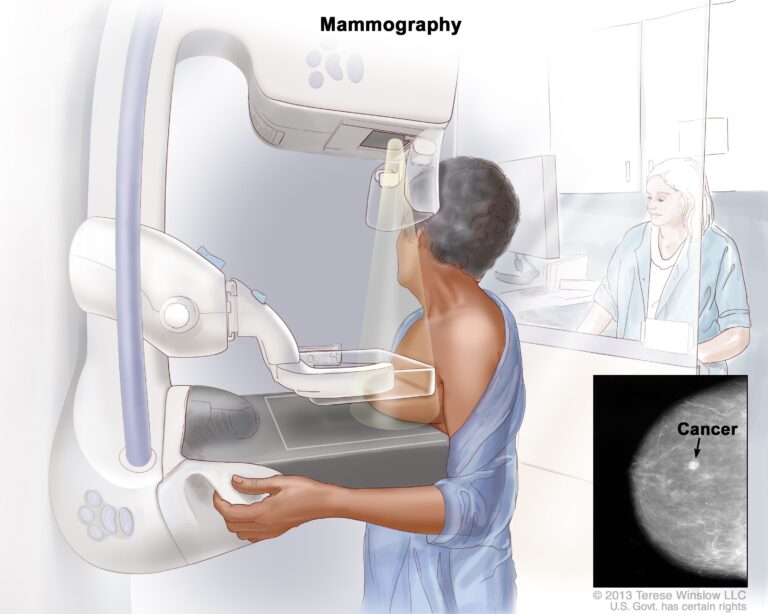
The prostate-specific antigen (PSA) test measures the level of PSA, a protein produced by the prostate, in the blood.
An elevated PSA level may indicate prostate cancer, but it can also result from other prostate conditions, including an enlarged prostate or infection.
2. Digital Rectal Examination (DRE)
A healthcare professional may examine the prostate through the rectum to assess its size, shape and texture.
3. MRI scan and prostate biopsy
If initial investigations suggest possible cancer, further tests such as an MRI scan and prostate biopsy may be recommended to establish a diagnosis.
A PSA test alone cannot confirm prostate cancer.
Read more: NHS – PSA Test.
Why Black Men Should Pay Particular Attention
Prostate cancer awareness is particularly important in Black communities.
Research and cancer information from Prostate Cancer UK indicate that approximately 1 in 4 Black men will develop prostate cancer during their lifetime, compared with approximately 1 in 8 men overall in the UK.
Black men are also more likely to develop prostate cancer at a younger age.
Prostate Cancer UK recommends that Black men aged 45 and above speak to their GP about their risk and the possibility of having a PSA blood test, even when they have no symptoms.
Men with a family history of prostate cancer should also discuss their risk with their healthcare provider.
Can Prostate Cancer Be Prevented?
Currently, there is no guaranteed way to prevent prostate cancer.
However, maintaining a healthy lifestyle is important for overall health.
Men are encouraged to:
Maintain a healthy body weight.
Engage in regular physical activity.
Eat a balanced diet containing fruits, vegetables and whole grains.
Avoid smoking.
Attend medical appointments when experiencing unusual symptoms.
Discuss personal prostate cancer risk and appropriate testing with their GP.
Most importantly, men should not ignore changes in their urinary or reproductive health because of embarrassment or fear.
A Message to Men: Don't Wait Until Symptoms Appear
The death of Chief Pete Edochie is a painful reminder of the importance of men’s health awareness.
Prostate cancer can develop without obvious early warning signs. This means that waiting until symptoms become severe before seeking medical attention may delay diagnosis.
Men, particularly those over 50, Black men aged 45 and above, and those with a family history of prostate cancer, should speak to their healthcare providers about their individual risk.
Remember, a PSA test is not a diagnosis of cancer, and testing decisions should involve a discussion about its benefits and limitations.
Final Thoughts
Chief Pete Edochie’s contribution to Nigerian entertainment will remain part of the country’s cultural history. His passing also presents an opportunity to bring an important health conversation into our homes, communities and workplaces.
Let’s talk about prostate cancer. Let’s encourage men to seek medical advice. Let’s challenge the stigma and embarrassment surrounding men’s health.
Your health matters. Don’t ignore it. Early assessment can make a difference.
May his soul rest in peace.
Medical Disclaimer:
This article is intended for general health education and awareness. It does not replace professional medical advice, diagnosis or treatment. Speak to a qualified healthcare professional if you have concerns about prostate cancer or your prostate health.
About VeeVee Health: VeeVee Health is committed to promoting health education, disease prevention and healthier living through accessible, evidence-based health information.
Related Posts

Vivian Okpala is a Public Health Educator and Founder of VeeVee Health. She creates evidence-based health content focused on blood sugar control, blood pressure management, weight management, and preventive health, with a strong emphasis on culturally relevant nutrition and lifestyle guidance.
Related
Discover more from Veevee Health
Subscribe to get the latest posts sent to your email.