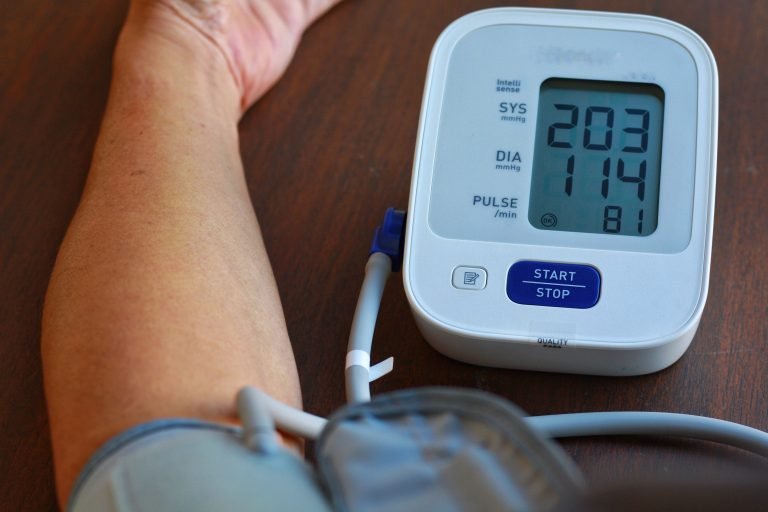
High blood pressure, also known as hypertension, is a common health condition that can affect people for many years without causing noticeable symptoms. This is one reason regular blood pressure checks are important. According to the World Health Organization, an estimated 1.4 billion adults aged 30–79 years worldwide had hypertension in 2024, and many people were unaware that they had the condition. For African families, understanding hypertension is particularly important. However, having high blood pressure does not mean you cannot live a healthy and active life. Early detection, appropriate treatment and healthy lifestyle changes can help people manage their blood pressure and reduce their risk of complications. In this article, we will explain high blood pressure in simple terms, including what your blood pressure numbers mean, possible risk factors, symptoms, food and lifestyle choices, treatment, and some common misconceptions.
What Is High Blood Pressure?
Blood pressure is the force of blood pushing against the walls of your arteries as your heart pumps blood around your body.
A blood pressure reading contains two numbers. For example:
120/80 mmHg
The top number (systolic pressure) measures the pressure when your heart contracts and pumps blood.
The bottom number (diastolic pressure) measures the pressure when your heart relaxes between beats.
High blood pressure occurs when the pressure in your blood vessels remains higher than it should be over time. This puts additional strain on your blood vessels and organs, including your heart, brain and kidneys.
One important thing to remember is that you cannot reliably tell whether your blood pressure is high simply by how you feel. The best way to know your blood pressure is to have it measured.
VeeVee Health Tip: Make knowing your blood pressure numbers part of looking after your health, even when you feel perfectly well.
What Blood Pressure Numbers Are Considered High?
Blood pressure is measured in millimetres of mercury (mmHg) and is written using two numbers, such as 120/80 mmHg.
According to UK guidance, blood pressure may be considered high when it is:
– 140/90 mmHg or higher when measured by a healthcare professional in a clinic.
– 135/85 mmHg or higher when the average is measured at home or through ambulatory blood pressure monitoring.
However, one high reading does not necessarily mean you have hypertension. Blood pressure can temporarily rise because of factors such as stress, physical activity, pain or even feeling anxious during a medical appointment.
If a clinic reading is high, further measurements are usually needed to confirm whether someone has hypertension. NICE recommends ambulatory blood pressure monitoring (ABPM), or home blood pressure monitoring (HBPM) when appropriate, to help confirm the diagnosis.
This is why monitoring your blood pressure correctly and keeping a record of your readings can be useful when discussing your health with a healthcare professional.
VeeVee Health Tip: Don’t panic because of one high reading, but don’t ignore consistently high readings either. If your blood pressure remains high, speak with a healthcare professional for proper assessment.
Important: Very high blood pressure accompanied by concerning symptoms such as chest pain, severe shortness of breath, confusion or other serious symptoms requires urgent medical assessment.
What Causes High Blood Pressure?
For many people with hypertension, there is no single identifiable cause. Instead, high blood pressure usually develops gradually as a result of several factors working together, including age, genetics, lifestyle and certain health conditions.
Some factors can increase your likelihood of developing high blood pressure. These include getting older, having a family history of hypertension, being overweight, eating too much salt, not getting enough physical activity, smoking and drinking too much alcohol. People of Black African or Black Caribbean background also have a higher risk of developing high blood pressure. NHS — High blood pressure
Certain medical conditions can also contribute to high blood pressure. These include kidney disease, diabetes and some hormonal conditions. Certain medicines may also raise blood pressure in some people.
This is why it can be misleading to say that hypertension is caused simply by “thinking too much” or stress. Stress can temporarily increase blood pressure and may influence behaviours that affect cardiovascular health, but hypertension is usually more complex than one factor alone.
The good news is that although we cannot change factors such as our age or family history, many lifestyle-related risk factors can be modified. Reducing salt intake, being physically active, maintaining a healthy weight, avoiding smoking and limiting alcohol can all contribute to better blood pressure control. WHO — Hypertension
VeeVee Health Tip: Having a family history of hypertension does not mean that you will definitely develop it. Knowing your risk can encourage you to check your blood pressure regularly and make healthier choices early.
Why Should African Adults Pay Attention to High Blood Pressure?
High blood pressure is an important health issue for African communities. Evidence shows that people of Black African or African-Caribbean family background are at increased risk of developing hypertension, and high blood pressure may develop at a younger age in some populations. NHS — High blood pressure
However, this does not mean that being African automatically means you will develop hypertension. Blood pressure is influenced by a combination of factors, including family history, age, diet, physical activity, body weight, other health conditions and wider environmental and social factors.
For many African families, it is also worth paying attention to salt intake. Salt does not come only from the salt shaker. It may also be present in seasoning cubes, stock powders, processed meats, packaged foods, sauces and other processed products. Using several salty ingredients in the same meal can make it easy to consume more salt than intended.
WHO recommends that adults consume less than 5 grams of salt per day, equivalent to less than about one teaspoon from all food sources combined. Reducing excessive sodium intake can help lower blood pressure and cardiovascular risk. WHO — Sodium reduction
This does not mean that Nigerian or African foods are inherently unhealthy. Traditional meals can form part of a healthy diet. What matters is the ingredients, quantity, preparation method and overall eating pattern.
Regular blood pressure checks are particularly valuable because hypertension often causes no obvious symptoms.
VeeVee Health Tip: You don’t have to abandon your traditional foods to look after your blood pressure. Small changes—such as reducing salt and salty seasonings, increasing vegetables and paying attention to portion sizes—can make familiar meals healthier.
Can African and Nigerian Foods Affect Blood Pressure?
Yes. What we eat can influence blood pressure, but this does not mean African or Nigerian foods are unhealthy. Many traditional foods—including beans, vegetables, fruits, whole grains, fish and other minimally processed foods—can form part of a heart-healthy diet.
One of the main dietary factors to pay attention to is sodium (salt). Eating too much sodium can increase blood pressure, particularly in people who are sensitive to its effects. WHO — Sodium reduction
What About Seasoning Cubes?
Seasoning cubes and stock powders are commonly used in many Nigerian dishes. The main concern is not necessarily the cube itself, but its sodium content and the total amount of sodium consumed throughout the day.
For example, adding salt, several seasoning cubes, processed meat or stockfish and salty sauces to the same dish can substantially increase the meal’s overall sodium content.
Rather than completely removing flavour from your food, try using less salt and seasoning cubes while increasing flavour with ingredients such as onions, garlic, ginger, peppers, curry, thyme and other herbs and spices.
Is Palm Oil Bad for Blood Pressure?
Palm oil should not simply be labelled as a food that “causes hypertension.” However, palm oil contains a relatively high proportion of saturated fat, and consuming too much saturated fat can contribute to raised LDL cholesterol, which is an important cardiovascular risk factor. NHS — How to eat less saturated fat
You therefore don’t necessarily have to remove palm oil completely from traditional meals. Quantity and your overall dietary pattern matter.
Can I Still Eat Nigerian Foods If I Have Hypertension?
Absolutely. Having hypertension does not mean abandoning Nigerian food.
Meals such as beans, moi-moi, vegetable soups, okra, grilled fish, sweet potatoes and other traditional foods can be incorporated into a balanced diet. The preparation method matters: reduce excessive salt, limit heavily processed ingredients, include plenty of vegetables and be mindful of portions.
Fruit and vegetables also provide potassium, which can help counter some of sodium’s effects on blood pressure. However, people with kidney disease or those taking certain medicines may need individual advice about potassium intake. WHO — Hypertension
VeeVee Health Tip: Healthy eating doesn’t have to mean giving up the foods you grew up with. Learn how to prepare your favourite meals in a way that supports your heart and blood pressure.
Can Zobo, Garlic or Herbal Remedies Lower Blood Pressure?
Natural remedies are often discussed as ways to manage hypertension, particularly zobo (hibiscus), garlic and different herbal preparations. While some have been studied for their potential effects on blood pressure, they should not automatically be considered substitutes for prescribed treatment.
What About Zobo?
Zobo is made from hibiscus (Hibiscus sabdariffa). Research suggests that hibiscus may produce a modest reduction in blood pressure in some people. However, this does not mean that zobo can cure hypertension or replace blood-pressure medication.
How zobo is prepared also matters. Adding large amounts of sugar can turn an otherwise low-calorie drink into a high-sugar beverage. People taking medication should also discuss regular use of herbal products with a healthcare professional because interactions may occur.
Can Garlic Lower Blood Pressure?
Garlic has also been investigated for its potential cardiovascular benefits. Some studies and systematic reviews have reported reductions in blood pressure, particularly among people with hypertension.
However, the evidence does not justify telling someone to replace their antihypertensive medication with garlic. Garlic supplements can also interact with some medicines and may increase bleeding risk in certain circumstances.
Be Careful With Herbal Remedies
The word “natural” does not automatically mean “safe.” Herbal products can have side effects, vary in strength and interact with prescription medicines.
This is particularly important when someone is already taking medication for hypertension, diabetes, heart disease or another long-term condition.
If you have been prescribed blood-pressure medication, do not stop taking it or replace it with a herbal remedy without discussing it with your healthcare professional.
VeeVee Health Tip: Food and traditional drinks can be part of a healthy lifestyle, but avoid treating one food, drink or herb as a miracle cure for hypertension.
How Can You Lower Your Blood Pressure Naturally?
Healthy lifestyle changes can help lower blood pressure and reduce the risk of complications. For some people, lifestyle changes may be enough to improve mildly raised blood pressure, while others will need lifestyle changes alongside medication.
Reduce Your Salt Intake
Eating too much salt can raise blood pressure. WHO recommends that adults consume less than 5 grams of salt per day, which is roughly one teaspoon from all sources—not just the salt you add while cooking. WHO — Sodium reduction
Remember that sodium can also come from seasoning cubes, stock powders, sauces, processed meats, instant foods and packaged snacks.
Eat a Balanced Diet
Aim for a diet rich in vegetables, fruits, whole grains, beans, pulses, nuts and other minimally processed foods, while limiting foods high in salt, saturated fat and added sugars.
You can still enjoy traditional African foods. The aim is to improve the balance, portions and preparation methods rather than unnecessarily eliminating familiar foods.
Stay Physically Active
Regular exercise can help lower blood pressure while also supporting heart health and weight management.
Adults should generally aim for at least 150 minutes of moderate-intensity physical activity each week, such as brisk walking, or an equivalent amount of vigorous activity, alongside muscle-strengthening activities. WHO — Physical activity
Even if you cannot achieve this immediately, start gradually and build up your activity level.
Maintain a Healthy Weight
If you are overweight, losing some excess weight can help improve blood pressure and reduce cardiovascular risk. You do not need to pursue extreme diets or rapid weight-loss methods. Sustainable changes to your eating habits and physical activity are generally more appropriate.
Don’t Smoke and Limit Alcohol
Smoking damages blood vessels and substantially increases cardiovascular risk. Excessive alcohol consumption can also contribute to raised blood pressure. If you drink alcohol, staying within recommended limits is important.
Get Enough Sleep and Manage Stress
Healthy sleep and stress management are also valuable parts of looking after your cardiovascular health. Activities such as exercise, relaxation, social connection and maintaining a regular sleep routine can support overall wellbeing.
Most importantly, “natural” blood-pressure management should not mean abandoning medical treatment. If you have been prescribed medication, continue taking it as directed unless your healthcare professional advises otherwise.
VeeVee Health Tip: You don’t have to change everything overnight. Start with achievable changes—reduce salt, move more, improve your meals and monitor your blood pressure. Small habits maintained consistently can make a meaningful difference.
Do You Still Need Medication When Your Blood Pressure Becomes Normal?
A common question among people taking medication for hypertension is: “If my blood pressure is now normal, can I stop taking my tablets?”
In many cases, the reason your blood pressure has returned to a healthier range is because your treatment is working. Stopping medication without medical advice may cause your blood pressure to rise again.
Blood-pressure medicines work in different ways. Depending on the individual, they may help relax blood vessels, remove excess fluid or reduce the workload on the heart. The type of medication recommended depends on factors such as age, other health conditions and individual circumstances. NHS — High blood pressure treatment
Will I Need Blood Pressure Medication for Life?
Not necessarily everyone, but hypertension often requires long-term management. Some people may need medication for many years or for life.
Lifestyle improvements—such as losing excess weight, reducing salt intake, exercising regularly and limiting alcohol—can improve blood pressure. In some circumstances, a healthcare professional may decide that medication can be reduced or changed.
However, that decision should be made with your healthcare professional, based on your blood-pressure readings, overall cardiovascular risk and medical history.
What If the Medication Causes Side Effects?
Do not simply stop taking it. Speak with your doctor, pharmacist or other appropriate healthcare professional. There are several types of antihypertensive medicines, and your treatment may be adjusted if you experience troublesome side effects.
VeeVee Health Tip: A normal blood-pressure reading while taking medication may be evidence that your treatment is working—not necessarily that your hypertension has disappeared.
When Should You Seek Medical Help?
Because high blood pressure often causes no noticeable symptoms, you should not wait until you feel unwell before having your blood pressure checked.
If you repeatedly get readings of 140/90 mmHg or higher in a clinic, or an average of 135/85 mmHg or higher at home, speak with a healthcare professional. Further monitoring may be needed to determine whether you have hypertension. NICE — Hypertension in adults
When Is Very High Blood Pressure Urgent?
A very high blood pressure reading requires careful assessment, particularly when accompanied by concerning symptoms.
NICE defines severe hypertension as a clinic systolic blood pressure of 180 mmHg or higher or a diastolic pressure of 120 mmHg or higher. If readings at this level occur alongside signs or symptoms suggesting serious complications—such as new confusion, chest pain or signs of heart failure—NICE recommends same-day specialist assessment. NICE — Identifying who to refer for same-day specialist review
If you develop symptoms that could indicate a medical emergency, such as severe chest pain, severe difficulty breathing, sudden weakness or numbness, difficulty speaking, confusion or sudden significant changes in vision, seek emergency medical help rather than trying to lower your blood pressure yourself at home.
In the UK, call 999 for a life-threatening emergency. NHS — When to call 999
Make Blood Pressure Checks Part of Your Routine
Knowing your numbers gives you the opportunity to identify raised blood pressure before complications develop.
This is particularly important if you have additional risk factors, such as a family history of hypertension, increasing age, excess weight or certain long-term health conditions.
VeeVee Health Tip: Don’t wait for symptoms before checking your blood pressure. Know your numbers, keep a record of your readings and seek professional advice when they remain high.
Conclusion
High blood pressure is common, but it should never be ignored simply because you feel well. Hypertension often develops without obvious symptoms, making regular blood pressure checks an important part of looking after your health.
Knowing your numbers is only the beginning. Reducing excessive salt intake, eating a balanced diet, staying physically active, maintaining a healthy weight, avoiding smoking and following prescribed treatment can all contribute to better blood pressure management.
For African and Nigerian families, healthy living does not mean abandoning our traditional foods. Instead, we can look at how our meals are prepared, how much salt and salty seasoning we use, our portion sizes and our overall eating patterns.
Most importantly, be careful with claims about miracle foods, drinks or herbal remedies. Zobo, garlic or another individual food should never be promoted as a cure for hypertension or as a replacement for appropriate medical treatment.
Know your numbers. Make healthy choices. Take your prescribed treatment as directed, and seek professional advice when you are concerned about your blood pressure.
Medical Disclaimer
This article is for health education and general information only. It is not intended to diagnose, treat, cure or prevent any medical condition and should not replace individual advice from a qualified healthcare professional. If you have concerns about your blood pressure or medication, speak with your doctor, pharmacist or another appropriate healthcare professional. Seek urgent medical attention if you develop symptoms of a medical emergency.
References and Further Reading
National Institute for Health and Care Excellence (NICE). Hypertension in adults: diagnosis and management (NG136). Updated 26 February 2026. This should be one of our primary sources for diagnosis, monitoring and treatment recommendations. Nice
Read the NICE hypertension guideline
World Health Organization (WHO). Hypertension. Use this for global prevalence, risk factors, prevention and lifestyle information.
WHO hypertension information
NHS. High blood pressure (hypertension). Use this for accessible UK patient information about symptoms, risk factors, diagnosis and management.
NHS high blood pressure information
Ellis et al. Systematic review and meta-analysis of Hibiscus sabdariffa and cardiovascular risk markers. The review included 17 chronic trials and found evidence of reduced systolic blood pressure compared with placebo, while also highlighting substantial variation between studies. OUP Academic
Read the hibiscus systematic review
Garlic evidence. Systematic reviews have reported reductions in blood pressure with certain garlic preparations, but the evidence does not justify recommending garlic as a substitute for established hypertension treatment. PubMed
Read More Related post
Frequently Asked Questions
Can high blood pressure be cured permanently?
Can young people develop high blood pressure?
Does stress cause high blood pressure?
Can zobo lower blood pressure?
Does garlic lower blood pressure?
Can I stop taking my medication when my blood pressure becomes normal?
Discover more from Veevee Health
Subscribe to get the latest posts sent to your email.