


Authors
-
VIVIAN OKPALA: AuthorVivian Okpala is a Public Health Educator and Founder of VeeVee Health. She creates evidence-based health content focused on blood sugar control, blood pressure management, weight management, and preventive health, with a strong emphasis on culturally relevant nutrition and lifestyle guidance.
-
Jennifer Abali: Medical ReviewerJennifer Abali is a pharmacist and public health professional with experience in project management, health promotion, and supporting diverse populations through evidence-based initiatives. She holds an undergraduate degree in Pharmacy and a Master of Public Health, with expertise in reviewing health related information, research, and public health content.
Jennifer has led and contributed to projects focused on wellbeing, health education, and community engagement. She is committed to accuracy, integrity, and clear communication, bringing a detail-oriented and ethical approach to reviewing medical and health information to ensure quality, relevance, and public understanding.
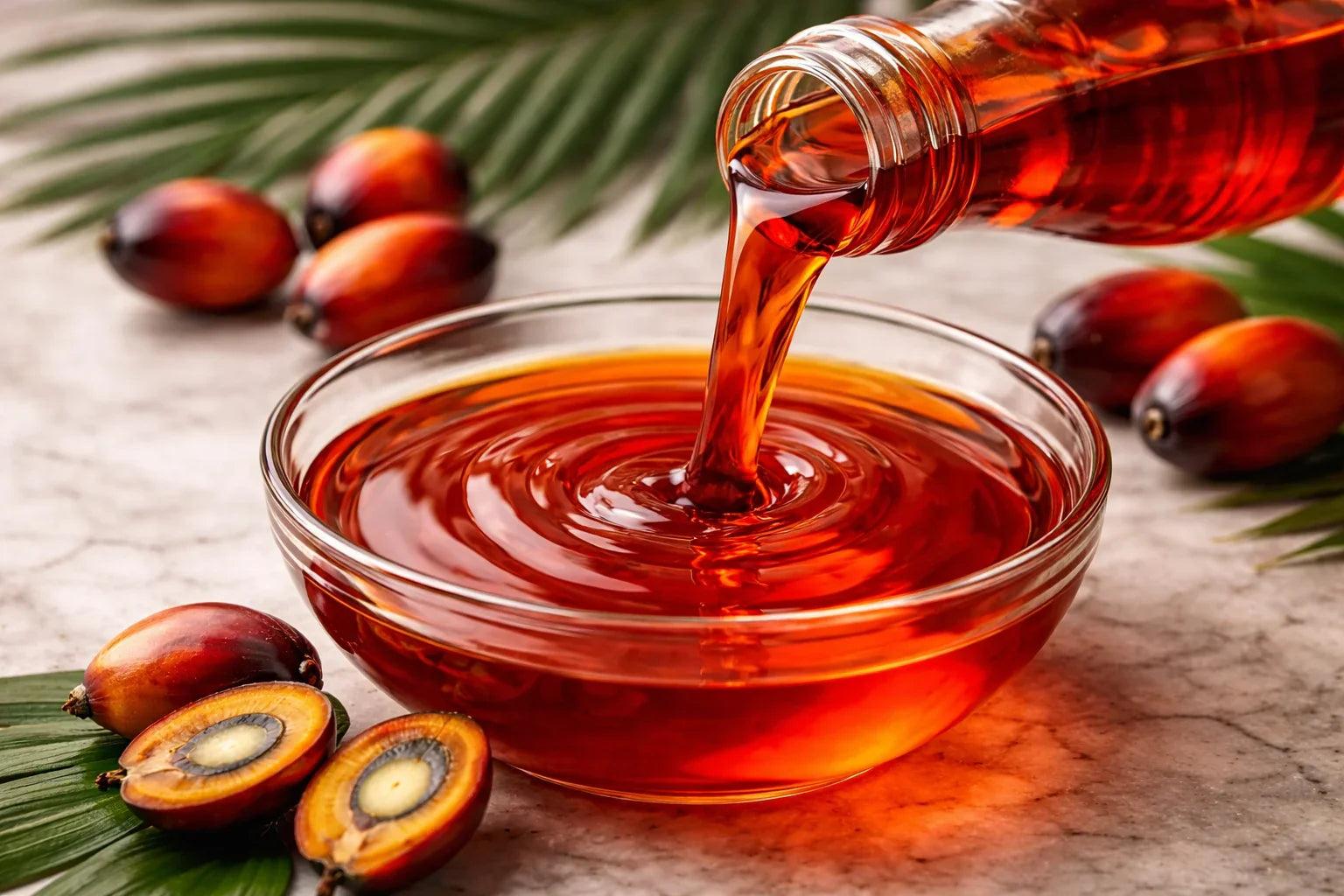
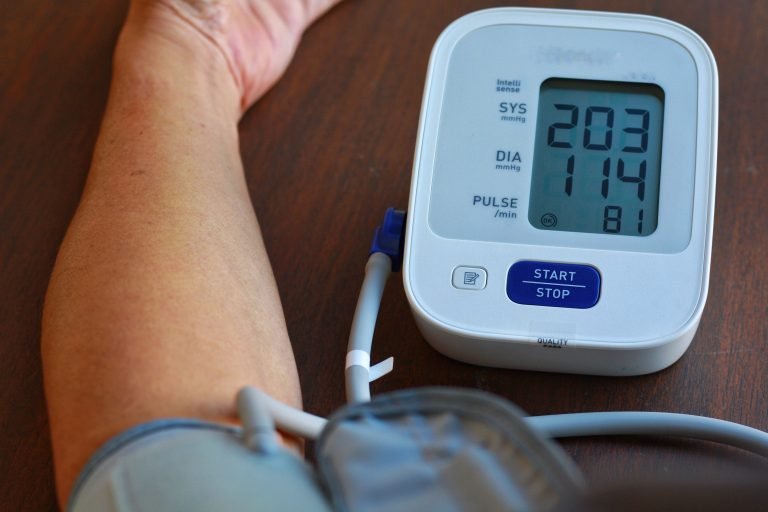
If you have ever asked yourself, “Is Palm Oil Bad for Blood Pressure?”, you are not alone. Many Nigerians living with hypertension or trying to protect their heart health often wonder whether palm oil is safe to eat.
Palm oil is a major part of Nigerian cooking. From egusi soup and jollof rice to beans and native soups, palm oil adds flavor, color, and richness to meals. But because it contains saturated fat, many people worry that palm oil may increase blood pressure or damage the heart.
So, is palm oil bad for blood pressure? The answer is not as simple as yes or no
Is Palm Oil Bad for Blood Pressure?
Many people continue to ask, “Is Palm Oil Bad for Blood Pressure?”
The truth is that palm oil does not directly cause high blood pressure overnight. However, eating too much palm oil regularly — especially in heavily oily, salty, and fried meals — may increase the risk of:
- Obesity
- High cholesterol
- Heart disease
- Poor blood circulation
These conditions can contribute to hypertension over time.
So while palm oil itself may not be the sole cause, unhealthy eating habits involving excessive palm oil can negatively affect blood pressure.
Why Nigerians Should Be Careful About Palm Oil
When discussing Is Palm Oil Bad for Blood Pressure, it is important to understand how Nigerian meals are often prepared.
Many meals already contain:
- Large amounts of salt
- Seasoning cubes
- Fried meats
- Processed foods
Adding excessive palm oil on top of these may increase cardiovascular risks.
People with hypertension should especially avoid:
- Extremely oily soups
- Reused cooking oil
- Deep-fried foods
- Burnt oil
Can Palm Oil Raise Cholesterol?
Another important question linked to Is Palm Oil Bad for Blood Pressure is whether palm oil affects cholesterol.
Palm oil contains saturated fat, and excessive intake may increase LDL (bad cholesterol) in some individuals.
High cholesterol can:
- Narrow blood vessels
- Reduce blood flow
- Increase strain on the heart
- Increase stroke risk
This is why moderation is extremely importan
Is Red Palm Oil Healthier?
When asking Is Palm Oil Bad for Blood Pressure, it is important to know that not all palm oil is the same.
Traditional red palm oil contains:
- Vitamin A
- Vitamin E
- Antioxidants
These nutrients may help reduce inflammation and oxidative stress.
However, even healthier forms of palm oil should still be consumed moderately.
Healthy Ways to Use Palm Oil
If you are wondering Is Palm Oil Bad for Blood Pressure, here are healthier ways Nigerians can still enjoy palm oil safely.
1. Reduce the Quantity
Use smaller amounts when cooking soups and stews.
2. Avoid Reheating Oil
Repeatedly heating palm oil can produce harmful compounds.
3. Eat More Vegetables
Balance oily meals with vegetables and fiber-rich foods.
4. Reduce Salt Intake
Too much salt often contributes more to hypertension than palm oil itself.
5. Limit Fried Foods
Boiling, steaming, grilling, and air frying are healthier alternatives.
Nigerian Foods That May Contain Too Much Palm Oil
Some Nigerian dishes can become unhealthy when overloaded with oil:
- Egusi soup
- Banga soup
- Native stew
- Fried rice
- Fried yam
- Akara
- Moi moi with excess oil
Moderation remains the key.
What Experts Say About Palm Oil and Hypertension
Health experts generally agree that:
- Moderate palm oil consumption may be acceptable
- Excessive saturated fat intake may increase heart disease risk
- Overall diet quality matters most
If you are asking, Is Palm Oil Bad for Blood Pressure, remember that your total lifestyle matters more than one ingredient alone.
Healthy habits include:
- Regular exercise
- Weight management
- Reduced sodium intake
- Drinking enough water
- Eating more fruits and vegetables
Who Should Limit Palm Oil?
People who should be more careful include:
- Individuals with hypertension
- People with high cholesterol
- Individuals living with obesity
- People with heart disease
If your doctor has recommended a low-fat diet, it may be wise to reduce oily foods.
Final Verdict: Is Palm Oil Bad for Blood Pressure?
So finally, is palm oil bad for blood pressure?
Palm oil is not automatically dangerous, but consuming too much of it regularly — especially alongside salty and fried foods — may increase your risk of hypertension and heart disease.
The goal should not necessarily be total avoidance, but moderation and healthier cooking habits.
Â
For many Nigerians, balance is the healthiest approach.
FAQs
Is Palm Oil Bad for Blood Pressure in people with hypertension?
Palm oil can be consumed moderately, but excessive oily and salty foods should be avoided.
Can palm oil increase blood pressure immediately?
Palm oil does not usually raise blood pressure instantly, but unhealthy long-term eating habits can contribute to hypertension.
Is red palm oil healthier than refined palm oil?
Traditional red palm oil contains more antioxidants and nutrients than heavily refined palm oil.
Should people with hypertension stop eating palm oil completely?
Not necessarily. Moderation and healthier meal preparation are more important.
Which cooking oil is best for people with high blood pressure?
Healthier oils may include olive oil, avocado oil, and moderate amounts of vegetable oils alongside balanced diets.
Trusted Health Sources
- World Health Organization (WHO) – Hypertension Facts
Learn more about the causes, risks, and prevention of high blood pressure. - NHS – High Blood Pressure (Hypertension)
UK NHS guide on symptoms, causes, and treatment of hypertension. - American Heart Association – Healthy Eating for High Blood Pressure
Information on diet and heart-healthy eating habits. - Harvard T.H. Chan School of Public Health – Fats and Cholesterol
Explains saturated fats, cholesterol, and heart health. - British Heart Foundation – Foods That Help Lower Blood Pressure
Advice on healthy eating patterns for heart health. - CDC – High Blood Pressure Basics
Overview of hypertension risk factors and prevention.
Related Posts
-
Is Palm Oil Bad for Blood Pressure? The Truth for Nigerian Cooks -
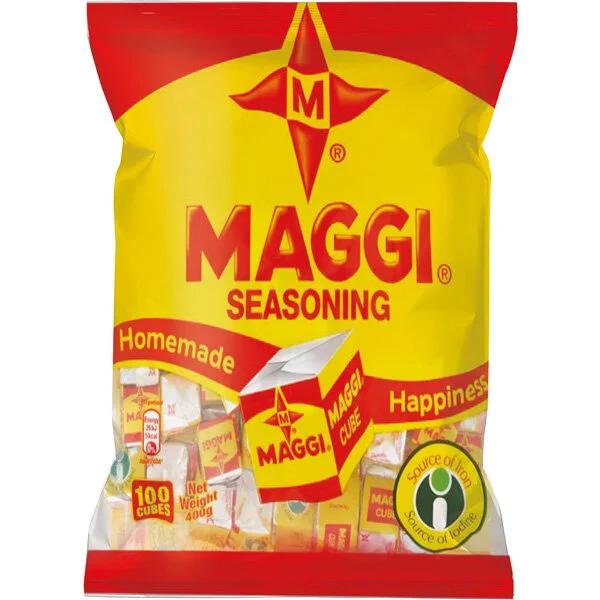
Does Maggi (Seasoning Cubes) Raise Blood Pressure? The Salt Truth Nigerians Should Know -
Does Zobo Drink Lower Blood Pressure? What Nigerians Need to Know About Zobo and Hypertension -
Major Risk Factors for High Blood Pressure Everyone Should Know -
10 Common Causes of High Blood Pressure You Should Never Ignore

Vivian Okpala is a Public Health Educator and Founder of VeeVee Health. She creates evidence-based health content focused on blood sugar control, blood pressure management, weight management, and preventive health, with a strong emphasis on culturally relevant nutrition and lifestyle guidance.
Authors
-
VIVIAN OKPALA: AuthorVivian Okpala is a Public Health Educator and Founder of VeeVee Health. She creates evidence-based health content focused on blood sugar control, blood pressure management, weight management, and preventive health, with a strong emphasis on culturally relevant nutrition and lifestyle guidance.
-
Jennifer Abali: Medical ReviewerJennifer Abali is a pharmacist and public health professional with experience in project management, health promotion, and supporting diverse populations through evidence-based initiatives. She holds an undergraduate degree in Pharmacy and a Master of Public Health, with expertise in reviewing health related information, research, and public health content.
Jennifer has led and contributed to projects focused on wellbeing, health education, and community engagement. She is committed to accuracy, integrity, and clear communication, bringing a detail-oriented and ethical approach to reviewing medical and health information to ensure quality, relevance, and public understanding.

Vivian Okpala is a Public Health Educator and Founder of VeeVee Health. She creates evidence-based health content focused on blood sugar control, blood pressure management, weight management, and preventive health, with a strong emphasis on culturally relevant nutrition and lifestyle guidance.