





Diabetes is a long-term health condition that affects how the body regulates blood glucose (blood sugar). It occurs when the body does not produce enough insulin or cannot use insulin effectively, causing glucose to build up in the bloodstream.
According to the World Health Organization (WHO), diabetes can lead to serious complications affecting the heart, kidneys, eyes, nerves and blood vessels. However, early diagnosis, appropriate treatment and ongoing care can help people manage the condition and reduce the risk of complications.
What Is Diabetes?
Diabetes mellitus is a condition in which blood glucose levels become too high.
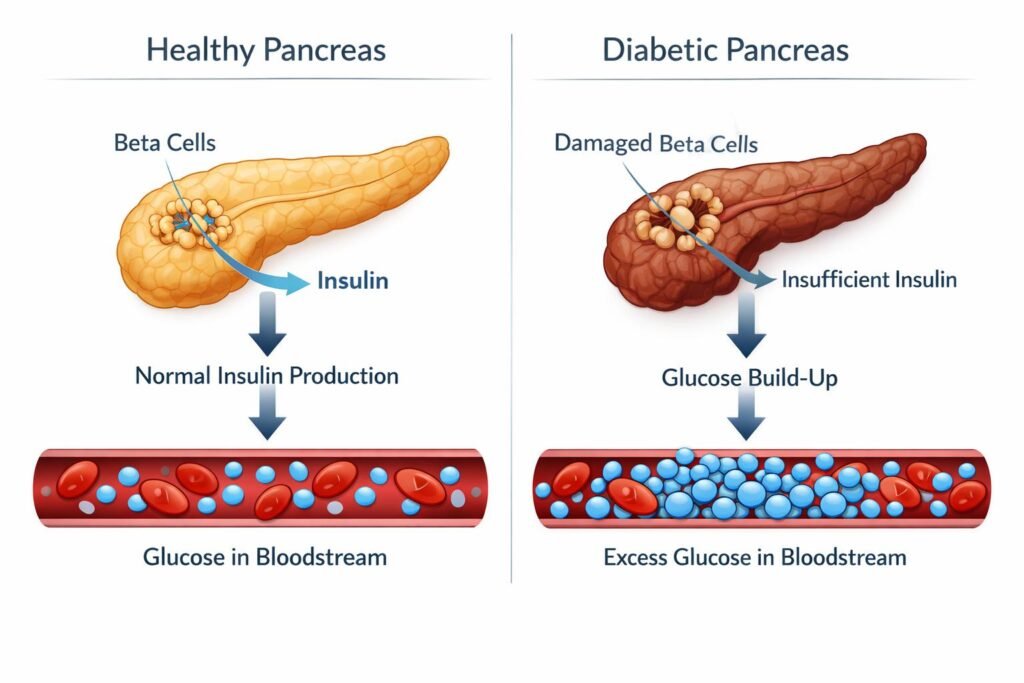
When you eat carbohydrates, your digestive system breaks them down into glucose. Glucose enters the bloodstream and provides energy for the body’s cells. Insulin, a hormone produced by the pancreas, helps glucose move from the blood into cells.
When insulin production is insufficient or the body does not respond to insulin properly, glucose can accumulate in the blood.
The NHS guide to diabetes explains that the condition develops when the body does not make enough insulin, produces none, or cannot use insulin properly.There are several types of diabetes. The three most commonly discussed are type 1 diabetes, type 2 diabetes and gestational diabetes.
What Are the Main Types of Diabetes?
Type 1 Diabetes
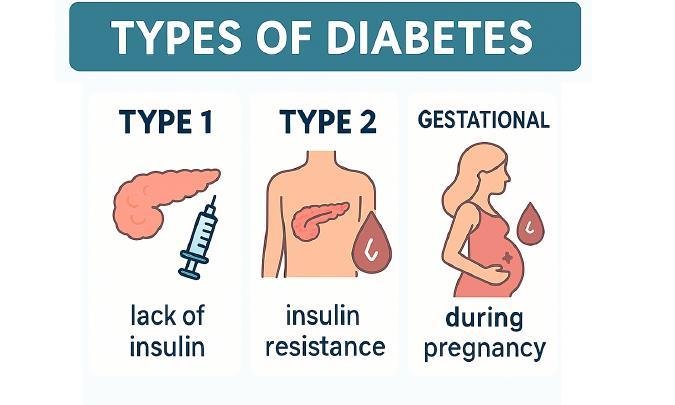
Type 1 diabetes is an autoimmune condition in which the immune system attacks the insulin-producing beta cells in the pancreas. This leaves the body with little or no insulin.
It can develop at any age, although it is often diagnosed in children and young adults. People with type 1 diabetes need insulin treatment to survive.
Important: Type 1 diabetes is not caused simply by eating too much sugar or having an unhealthy lifestyle.
The WHO diabetes fact sheet explains that people with type 1 diabetes require daily insulin administration.
Type 2 Diabetes
Type 2 diabetes is the most common form of diabetes. It develops when the body becomes resistant to insulin and/or the pancreas cannot produce enough insulin to maintain normal blood glucose levels.
Risk factors include family history, increasing age, physical inactivity, excess body fat and certain genetic and metabolic factors. People who are not overweight can also develop type 2 diabetes.
Symptoms may develop gradually, and some people have no obvious symptoms for years.
Management may involve dietary changes, physical activity, medication and, where appropriate, weight management. Some people achieve remission, but continued monitoring is important.
According to the NHS guide to type 2 diabetes, treatment depends on individual needs and may include lifestyle changes and medication.
Gestational Diabetes
Gestational diabetes is high blood glucose that develops during pregnancy, usually when the body cannot produce enough insulin to meet the increased demands of pregnancy.
It does not always cause noticeable symptoms, so screening is important when recommended by the maternity team.
Management may include healthy eating, appropriate physical activity, blood glucose monitoring and medication if needed.
Gestational diabetes often resolves after childbirth, but it increases the mother’s risk of developing type 2 diabetes later in life.
The NHS guide to gestational diabetes explains the condition, its risk factors and the importance of detection and management during pregnancy.
What Causes Diabetes?
There is no single cause of all types of diabetes.
Type 1 diabetes: An autoimmune process destroys insulin-producing cells. The exact cause is not fully understood, and the condition cannot currently be reliably prevented.
Type 2 diabetes: A combination of insulin resistance, inadequate insulin production, genetics, age and other risk factors contributes to the condition.
Gestational diabetes: Pregnancy-related hormonal changes increase insulin resistance. Some women cannot produce enough additional insulin to keep their blood glucose within the expected range.
The WHO’s diabetes information distinguishes these types and explains their different underlying mechanisms.
Diabetes should never be treated as a personal failure. Understanding the type and individual risk factors is more helpful than blaming someone for developing the condition.
What Are the Symptoms of Diabetes?
Common symptoms include:
Excessive thirst.
Frequent urination, including at night.
Persistent tiredness.
Unexplained weight loss.
Increased hunger.
Blurred vision.
Cuts or wounds that heal slowly.
Recurrent infections, including thrush.
Symptoms of type 1 diabetes can develop rapidly over days or weeks. Type 2 diabetes may develop slowly and remain unnoticed for years.
The NHS diabetes overview identifies thirst, frequent urination, tiredness and unexplained weight loss among the main warning signs.
Vomiting, abdominal pain, deep or rapid breathing, confusion or unusual drowsiness may indicate diabetic ketoacidosis, a medical emergency requiring immediate hospital treatment.
Who Is at Risk of Developing Diabetes?
Risk factors vary by type. For type 2 diabetes, they include:
Having a parent or sibling with diabetes.
Increasing age.
Being physically inactive.
Having overweight or obesity, particularly excess abdominal fat.
Having previously had gestational diabetes.
Having certain medical conditions, including polycystic ovary syndrome.
Belonging to an ethnic group with an increased risk of type 2 diabetes.
In the UK, people of Black African, Black Caribbean and South Asian backgrounds can be at increased risk of developing type 2 diabetes, sometimes at a younger age.
The NHS guidance on type 2 diabetes outlines these risk factors and advises people at increased risk to consider assessment.
How Is Diabetes Diagnosed?
Diabetes is diagnosed using blood tests rather than symptoms alone.
Common tests include:
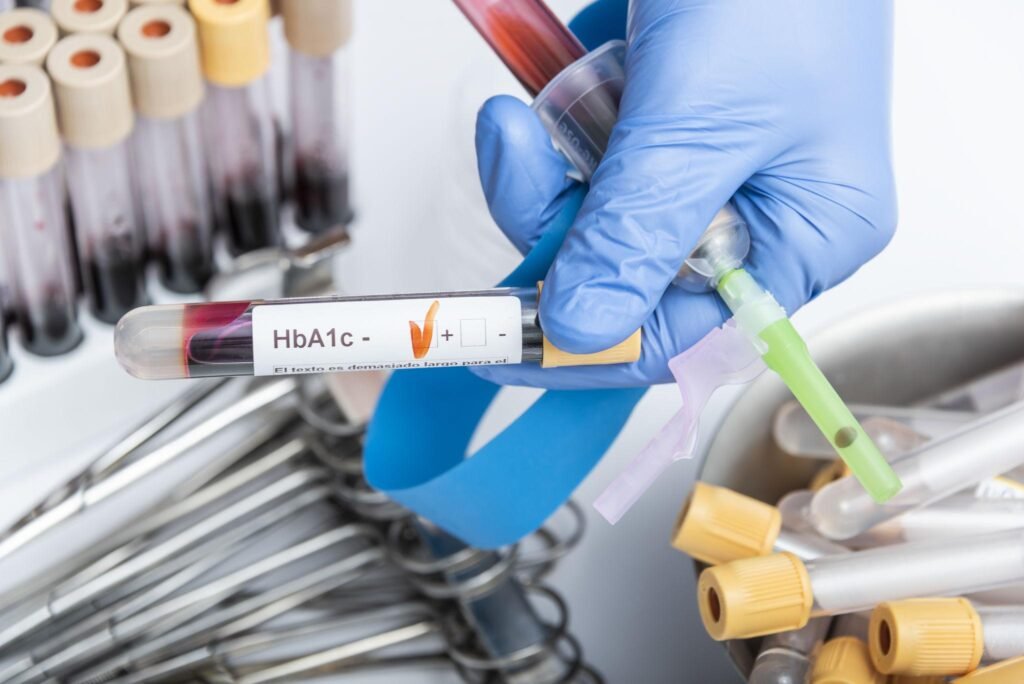
HbA1c: Estimates average blood glucose over approximately two to three months.
Fasting plasma glucose: Measures blood glucose after fasting according to the test instructions.
Oral glucose tolerance test: Measures the body’s response to a glucose drink and is used in particular circumstances, including pregnancy.
Random plasma glucose: Measures blood glucose at a given time and may help diagnose diabetes when typical symptoms are present.
The test used depends on the clinical situation. Pregnancy can require different diagnostic criteria, and HbA1c is not appropriate in every circumstance.
The WHO’s diabetes Q&A describes these diagnostic methods, while Diabetes UK’s diagnostic criteria provides further clinical information.
What Are the Possible Complications of Diabetes?
When blood glucose remains too high over time, diabetes can damage blood vessels and nerves. Potential complications include:
Heart disease and stroke: Diabetes increases the risk of cardiovascular problems.
Kidney disease: Damage to the kidneys can affect their ability to filter waste.
Eye disease: Diabetic retinopathy can damage the retina and threaten sight.
Nerve damage: Neuropathy may cause tingling, pain or numbness, especially in the feet.
Foot ulcers and infections: Reduced sensation and poor circulation can make injuries harder to detect and heal.
Oral health problems: Diabetes can increase the risk of gum disease.
These complications are not inevitable. Regular health checks and appropriate management can help prevent or delay them.
The WHO’s diabetes fact sheet describes the effects of diabetes on the heart, kidneys, eyes, nerves and blood vessels. The NHS diabetes guide also explains the importance of monitoring and managing these risks.
How Can Diabetes Be Managed?
Diabetes management depends on the type of diabetes, the person’s overall health and their prescribed treatment plan.
1. Eat a Balanced Diet
A balanced eating pattern can help support blood glucose control and general health.
For Nigerian households, suitable options may include:
Vegetables such as ugu, spinach, okra and other leafy greens.
Beans, lentils and other high-fibre foods.
Appropriate portions of rice, yam, potatoes and plantain.
Fish, eggs, beans, chicken and other protein sources.
Whole fruits in suitable portions instead of relying on fruit juice.
Nuts, seeds and appropriate unsaturated fats.
People with diabetes do not necessarily need to eliminate all carbohydrates or avoid every traditional Nigerian food. Portion sizes, meal composition and individual medical needs matter.
The WHO recommendations on diabetes support healthy eating and physical activity as important parts of diabetes management.
2. Be Physically Active
Regular activity can improve insulin sensitivity and support cardiovascular health.
Options include walking, treadmill walking, cycling, dancing, swimming, gentle stretching and appropriate strength exercises.
Choose activities that match your ability and health needs. People with diabetes-related complications, mobility limitations or a risk of low blood glucose may need individual advice.
3. Take Prescribed Medication
People with type 1 diabetes require insulin. Treatment for type 2 diabetes may include tablets, injectable medicines, insulin or a combination of approaches. Gestational diabetes may also require medication when lifestyle measures alone do not achieve the recommended glucose levels.
Never stop or change prescribed medication without consulting your healthcare professional.
The NHS diabetes guidance explains that treatment is tailored to the type of diabetes and may include insulin, other medicines and lifestyle changes.
4. Monitor Blood Glucose and Attend Health Checks
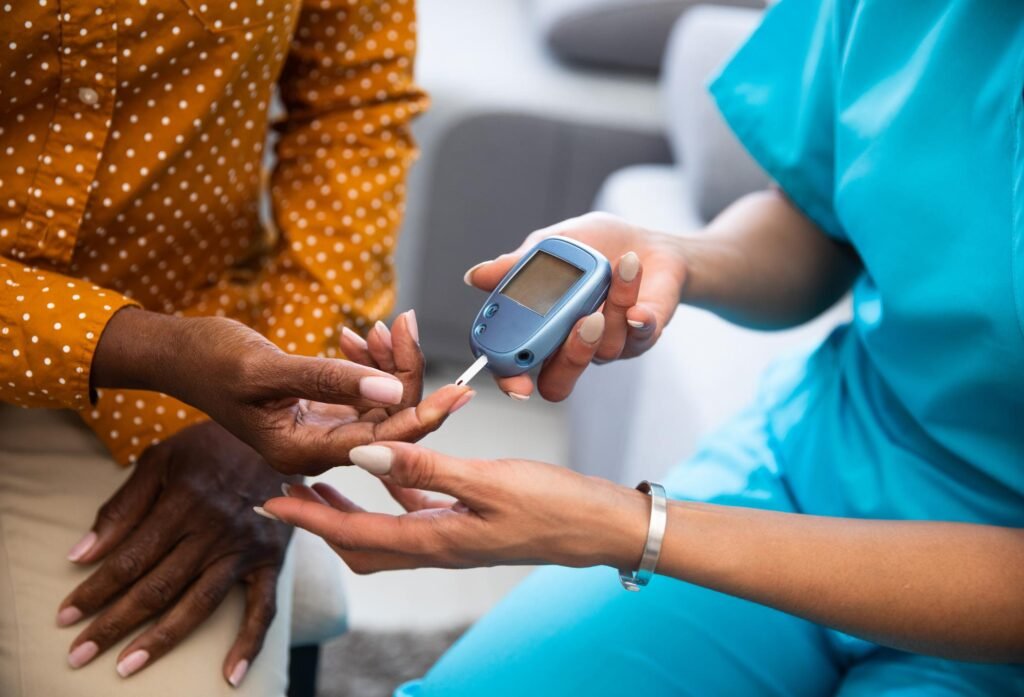
Follow your care team’s advice on blood glucose monitoring and regular reviews. Depending on your needs, these may include HbA1c testing, blood pressure checks, cholesterol assessment, kidney tests, foot examinations and diabetic eye screening.
The WHO diabetes guidance emphasises regular screening and appropriate care to help prevent or delay complications.
5. Prioritise Sleep, Emotional Wellbeing and Other Healthy Habits
Consistent sleep routines, stress management, not smoking and appropriate alcohol advice can support general health and make diabetes management easier.
Living with diabetes can also be emotionally demanding. Seek support from your healthcare team, family or a suitable support group when needed.
Can Diabetes Be Prevented?
Prevention depends on the type:
Type 1 diabetes: There is currently no established lifestyle method that reliably prevents it.
Type 2 diabetes: Risk can often be reduced or the onset delayed through evidence-based lifestyle changes and preventive interventions for eligible people.
Gestational diabetes: It cannot always be prevented. Appropriate antenatal screening and management remain important.
Regular physical activity, a balanced diet, avoiding tobacco and maintaining a healthy weight where appropriate can help reduce the risk of type 2 diabetes.
The WHO diabetes fact sheet outlines these prevention measures and distinguishes type 2 prevention from type 1 diabetes.
Living Well With Diabetes
A diabetes diagnosis does not mean that someone cannot live a fulfilling, active life.
With suitable treatment, health education and ongoing support, many people with diabetes continue to work, travel, care for their families and participate in activities they enjoy.
Learning about the condition, recognising changes in blood glucose, taking medicines as prescribed and attending regular reviews can make a meaningful difference.
Family members and caregivers can help by offering practical support without blame or judgement.
The WHO’s diabetes Q&A highlights the value of education, self-management support and long-term follow-up.
Frequently Asked Questions About Diabetes
Lorem ipsum dolor sit amet, consectetur adipiscing elit. Ut elit tellus, luctus nec ullamcorper mattis, pulvinar dapibus leo.
Can eating too much sugar cause diabetes?
Eating sugar alone does not directly cause every type of diabetes. Type 1 diabetes is an autoimmune condition. Type 2 diabetes develops through a combination of genetic, metabolic and lifestyle-related factors. Excessive intake of sugary drinks and excess calories can contribute to type 2 diabetes risk.
Can diabetes be cured?
There is currently no established cure for type 1 diabetes. Some people with type 2 diabetes can achieve remission, but ongoing monitoring remains necessary. Gestational diabetes often resolves after childbirth, although the risk of developing type 2 diabetes later can remain elevated.
Can you have diabetes without symptoms?
Yes. Type 2 diabetes may cause few or no noticeable symptoms for years. Testing is important for people who have symptoms or an increased risk.
Can people with diabetes eat Nigerian food?
Yes. People with diabetes can enjoy a variety of Nigerian foods. Balanced meals, appropriate portions, high-fibre choices and individualised dietary advice are more useful than automatically banning traditional foods.
Does diabetes only affect older adults?
No. Type 1 diabetes can develop at any age, type 2 diabetes can occur in younger adults and children, and gestational diabetes develops during pregnancy.
For further information, visit the NHS diabetes guide and Diabetes UK’s information on diabetes.
When Should You Seek Medical Advice?
If you or your child has symptoms suggestive of diabetes, seek urgent medical advice through your GP or NHS 111.
Call 999 or go to an emergency department if someone has signs of diabetic ketoacidosis, such as vomiting, abdominal pain, deep or rapid breathing, confusion or reduced consciousness.
If you are pregnant and concerned about gestational diabetes, contact your midwife, GP or maternity team.
Final Thoughts
Diabetes is a serious but manageable health condition. Understanding the different types, recognising symptoms, knowing your risk factors and seeking timely medical care are important steps towards better health.
At VeeVee Health, we are committed to sharing reliable, accessible health education that helps individuals and families make informed decisions.
Disclaimer: This article is for educational purposes only and does not replace professional medical advice, diagnosis or treatment.
References and further reading

Vivian Okpala is a Public Health Educator and Founder of VeeVee Health. She creates evidence-based health content focused on blood sugar control, blood pressure management, weight management, and preventive health, with a strong emphasis on culturally relevant nutrition and lifestyle guidance.
Related
Discover more from Veevee Health
Subscribe to get the latest posts sent to your email.