


Type 2 Diabetes: Causes, Early Symptoms, Prevention and Management

Type 2 Diabetes

Key Takeaways

  • Type 2 diabetes occurs when the body cannot use insulin effectively.

  • Common symptoms include thirst, frequent urination and tiredness.

  • Family history, age and lifestyle factors can increase risk.

  • Early diagnosis helps prevent complications.

  • Healthy eating, exercise and appropriate treatment support management.

  • Some people can achieve remission with appropriate support, but regular monitoring remains essential.

What Is Type 2 Diabetes?

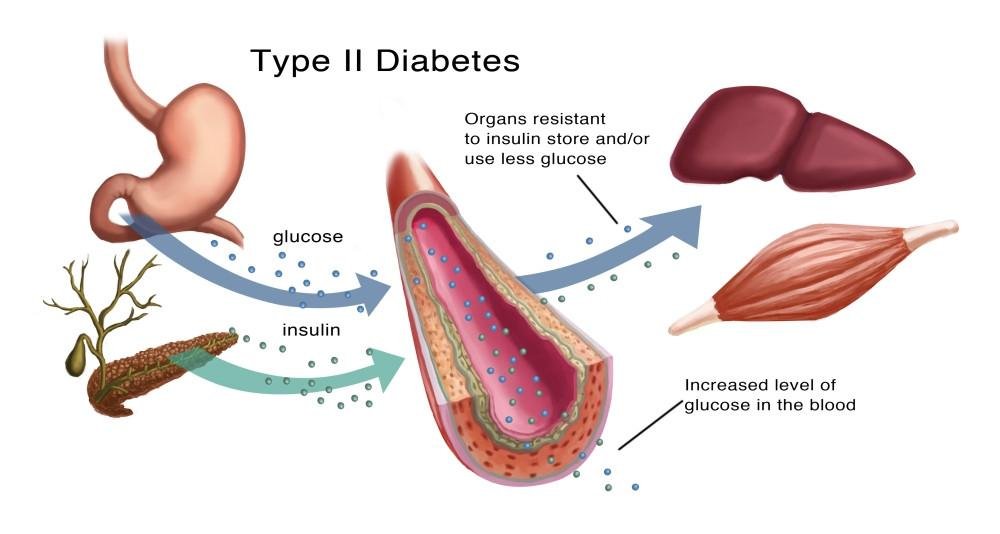
Insulin is a hormone produced by the pancreas. It helps glucose move from the bloodstream into the body’s cells, where it is used for energy.

In type 2 diabetes, the body’s cells become less responsive to insulin. This is called insulin resistance. The pancreas may initially produce more insulin to compensate, but over time it may not produce enough to keep blood glucose within the normal range. As a result, glucose accumulates in the bloodstream.

According to Diabetes UK, type 2 diabetes develops when the body does not produce enough insulin or the insulin it produces does not work properly.

Type 2 diabetes is not simply a condition that affects people who eat sugar or people living with obesity. It develops through a combination of genetic, metabolic, environmental and lifestyle-related factors.

What Causes Type 2 Diabetes?

causes of type 2 diabetes

There is no single cause of type 2 diabetes. Several factors can contribute to its development.

1. Insulin Resistance

When the body’s cells respond less effectively to insulin, glucose cannot be regulated as efficiently. The pancreas may struggle to produce enough insulin to compensate for this resistance.

2. Family History and Genetics

Having a parent or sibling with type 2 diabetes increases a person’s risk. Genetics can influence how the body produces and responds to insulin.

3. Age and Other Health Factors

Risk increases with age, although type 2 diabetes can develop in younger adults and children. High blood pressure, previous gestational diabetes and certain conditions, such as polycystic ovary syndrome, can also be associated with increased risk.

4. Physical Inactivity and Body Fat Distribution

Low levels of physical activity and excess body fat, particularly around the abdomen, can contribute to insulin resistance. However, people who are not overweight can also develop type 2 diabetes.

The NHS guide to type 2 diabetes symptoms and risk factors explains that family history, ethnicity, physical activity and body weight can all influence risk.

It is important to understand that developing type 2 diabetes is not a personal failure. Risk factors differ between individuals, and some cannot be changed.

What Are the Early Symptoms of Type 2 Diabetes?

Type 2 diabetes may develop gradually. Some people have no obvious symptoms, while others notice changes that become more pronounced over time.

Common symptoms include:

  • Increased thirst: Feeling thirsty more often than usual.

  • Frequent urination: Needing to pass urine more often, including at night.

  • Persistent tiredness: Feeling unusually exhausted or lacking energy.

  • Unexplained weight loss: Losing weight without deliberately trying to.

  • Blurred vision: High blood glucose can temporarily affect vision.

  • Slow-healing wounds: Cuts and sores may take longer to heal.

  • Recurring infections: Some people experience repeated infections or genital thrush.

    The NHS list of type 2 diabetes symptoms identifies these warning signs and notes that symptoms can develop gradually.


    Do not wait until symptoms become severe. If you notice these changes, contact your GP for assessment. A blood test can help determine whether diabetes is present.

    If symptoms develop rapidly or you experience vomiting, abdominal pain, deep or rapid breathing, confusion or severe drowsiness, seek emergency medical care. Although less common in type 2 diabetes, diabetic ketoacidosis can occur and is life-threatening.

Who Is at Risk of Type 2 Diabetes?

Anyone can develop type 2 diabetes, but certain factors increase the likelihood.

These include:

  • Having a parent, brother or sister with type 2 diabetes.

  • Being physically inactive.

  • Living with overweight or obesity, particularly excess abdominal fat.

  • Increasing age.

  • Having high blood pressure or certain metabolic conditions.

  • Having had gestational diabetes during a previous pregnancy.

  • Belonging to an ethnic group with a higher risk of developing type 2 diabetes.

In the UK, people from Black African, Black Caribbean and South Asian backgrounds can develop type 2 diabetes at younger ages than people from some other ethnic backgrounds. The NHS guidance on type 2 diabetes notes that risk can increase from age 25 for people from certain ethnic backgrounds.

This is particularly relevant for health education within African and Caribbean communities. However, ethnicity alone does not determine whether an individual will develop diabetes.

If you have risk factors, ask your GP about diabetes testing. In England, eligible adults may also be offered an NHS Health Check.

How Is Type 2 Diabetes Diagnosed?

Type 2 diabetes is diagnosed through blood testing. Symptoms alone cannot confirm the condition.

Common tests include:

  • HbA1c test: Estimates average blood glucose over approximately the previous two to three months.

  • Fasting plasma glucose test: Measures blood glucose after fasting according to clinical instructions.

  • Random plasma glucose test: Measures blood glucose at a particular time and may be used when symptoms are present.

The clinician will determine which test is appropriate and whether further testing is needed to confirm the diagnosis.

The NHS diagnostic guidance explains how blood tests are used to diagnose type 2 diabetes.

In many cases, earlier diagnosis allows people to begin treatment before complications develop.

What Are the Possible Complications of Type 2 Diabetes?

When blood glucose remains high over time, type 2 diabetes can damage blood vessels and nerves throughout the body.

Possible complications include:

  • Heart disease and stroke: Diabetes increases cardiovascular risk.

  • Kidney disease: Damage to the kidneys can affect their filtering function.

  • Eye disease: Diabetic retinopathy can damage the retina and threaten vision.

  • Nerve damage: Neuropathy can cause pain, tingling or numbness, particularly in the feet.

  • Foot ulcers and infections: Reduced sensation and poor circulation can make injuries harder to detect and heal.

  • Oral health problems: People with diabetes can have an increased risk of gum disease.

The WHO diabetes fact sheet describes the impact of diabetes on the heart, kidneys, eyes, nerves and blood vessels.

World Health Organization

These complications are not inevitable. Blood glucose management, blood pressure control, appropriate treatment and regular health checks can help reduce the risk.

How Can Type 2 Diabetes Be Managed?

Managing type 2 diabetes involves an individualised plan that may include nutrition, physical activity, medication and regular health checks.

The NICE guideline on managing type 2 diabetes in adults emphasises personalised care, healthy living, blood glucose management and reducing cardiovascular and kidney risks.

1. Eat a Balanced, Diabetes-Friendly Diet

1. Eat a Balanced, Diabetes-Friendly Diet

A balanced diet can support blood glucose management while providing the nutrients the body needs.

For Nigerian and other African households, practical options include:

  • Leafy vegetables such as ugu and spinach.

  • Okra, garden eggs and other non-starchy vegetables.

  • Beans, lentils and other pulses.

  • Fish, eggs, chicken and other suitable protein sources.

  • Whole grains and higher-fibre carbohydrate choices where available.

  • Whole fruits in suitable portions.

  • Nuts, seeds and appropriate unsaturated fats.

Traditional meals such as eba, amala, pounded yam, rice, beans and plantain do not automatically have to be eliminated. The amount eaten, the preparation method and the balance of the meal all matter.

Helpful habits include reducing sugary drinks, choosing water more often, moderating portions of carbohydrate-rich foods and increasing vegetables and fibre.

The NHS recommendations for type 2 diabetes treatment support healthy eating and gradual, sustainable lifestyle changes.

If you use insulin or medication that can cause low blood glucose, seek individual dietary advice before making substantial changes to your eating pattern.

2. Engage in Regular Physical Activity

Regular physical activity helps the body respond to insulin more effectively and supports heart health.

Activities to consider include:

  • Walking outdoors.

  • Treadmill walking.

  • Dancing.

  • Cycling.

  • Swimming.

  • Gentle stretching.

  • Suitable resistance or bodyweight exercises.

Choose activities that fit your fitness level, mobility and health needs. If you have diabetes-related complications or are new to exercise, ask your healthcare professional about a safe starting point.

The WHO diabetes guidance recommends regular physical activity as part of preventing and managing type 2 diabetes.

3. Take Medication as Prescribed

Some people manage type 2 diabetes through lifestyle changes, while others need medication from the time of diagnosis or as the condition progresses.

Depending on individual circumstances, treatment may include metformin, SGLT2 inhibitors, GLP-1 receptor agonists, other glucose-lowering medicines or insulin.

The appropriate treatment depends on factors such as blood glucose levels, kidney function, cardiovascular health, other medical conditions, side effects and personal preferences.

The NHS treatment guide and NICE recommendations provide information about treatment options and individualised care.

Never start, stop or change prescribed medication without consulting your healthcare professional.

4. Monitor Blood Glucose and Attend Regular Reviews

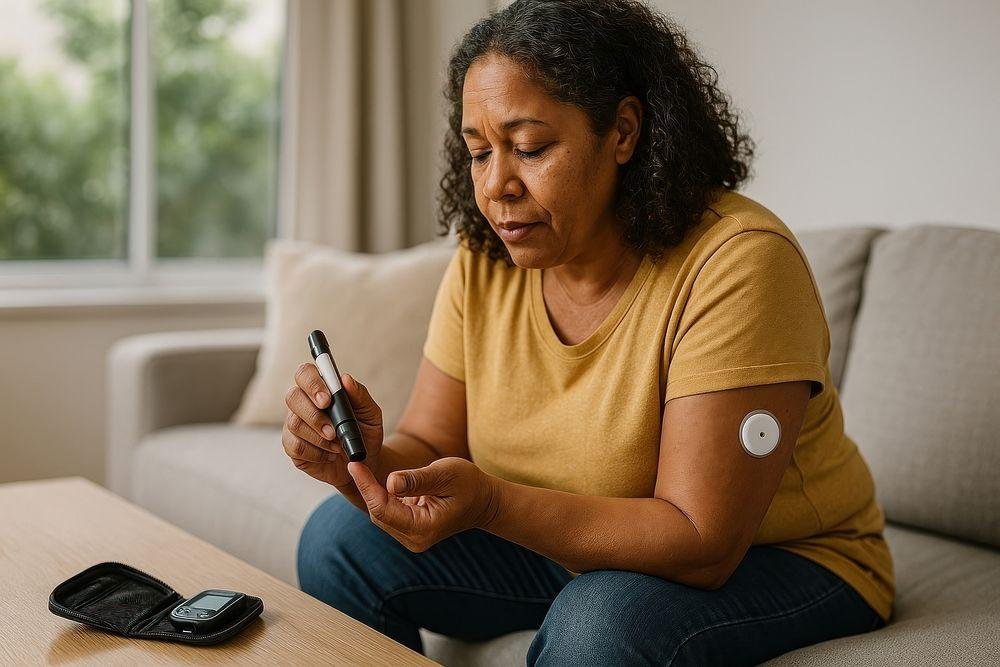
Not everyone with type 2 diabetes needs to check blood glucose with a finger-prick test every day. The need depends on the medication, risk of hypoglycaemia and individual treatment plan.

Regular diabetes reviews may include:

  • HbA1c testing.

  • Blood pressure and cholesterol checks.

  • Kidney function and urine testing.

  • Foot examinations.

  • Diabetic eye screening.

  • A review of medicines, nutrition and physical activity.

The NICE blood glucose management recommendations explain how HbA1c targets and monitoring should be tailored to individual needs.

5. Support Sleep, Emotional Wellbeing and Other Healthy Habits

Managing a long-term condition can be stressful. Regular sleep routines, stress management, avoiding smoking and seeking emotional support can help improve general wellbeing.

If diabetes management feels overwhelming, speak to your diabetes nurse, GP or another appropriate healthcare professional. Support from family and friends can also help.

Can Type 2 Diabetes Be Prevented?

In many people, type 2 diabetes can be delayed or prevented, but prevention is not guaranteed.

Evidence-based approaches include:

  • Being physically active regularly.

  • Eating a balanced diet with plenty of vegetables and fibre-rich foods.

  • Reducing sugary drinks and excessive energy intake.

  • Working towards a healthy weight where appropriate.

  • Attending screening appointments if you are at increased risk.

  • Following a structured diabetes prevention programme when eligible.

The WHO diabetes fact sheet identifies healthy eating, physical activity and appropriate weight management as important measures for reducing the risk of type 2 diabetes.

World Health Organization

In England, eligible people at increased risk may be offered the NHS Diabetes Prevention Programme, which supports sustainable changes to lifestyle.

Can Type 2 Diabetes Go Into Remission?

Some people with type 2 diabetes can achieve remission, meaning their blood glucose levels fall below the diabetes threshold without glucose-lowering medication for a sustained period.

Remission may be possible following substantial, sustained weight loss for some people, often with structured support. However, it is not achievable for everyone, and diabetes can return.

Remission is not the same as a permanent cure. People who achieve it still need appropriate follow-up and checks for complications.

The NHS treatment guide for type 2 diabetes explains that lifestyle changes can sometimes reduce blood glucose to normal levels and lead to remission.

NHS

Do not stop medication in an attempt to achieve remission without medical supervision.
What Is the Difference Between Type 1 and Type 2 Diabetes?

Feature

Type 1 diabetes

Type 2 diabetes

Main cause

Autoimmune destruction of insulin-producing cells

Insulin resistance and/or insufficient insulin production

Onset

Often rapid

Often gradual

Symptoms

May develop quickly

May be mild or absent initially

Insulin treatment

Essential

May or may not be required

Prevention

No established lifestyle prevention method

Many cases can be delayed or prevented

Remission

No established routine remission

Possible for some people

Frequently Asked Questions About Type 2 Diabetes

Can type 2 diabetes be reversed?

Some people achieve remission, but this is not a guaranteed or permanent cure. Continued monitoring remains important.

Can a person have type 2 diabetes without symptoms?

Yes. Symptoms may be mild or absent for years. Blood testing is important for people with symptoms or increased risk.

Does eating sugar cause type 2 diabetes?

Sugar alone is not the sole cause. Type 2 diabetes develops through a combination of genetic, metabolic and lifestyle-related factors. Frequent sugary drinks and excessive energy intake can contribute to risk.

Can people with type 2 diabetes eat rice, yam or plantain?

Yes. These foods can be included in a balanced eating pattern. Portion sizes, preparation, the rest of the meal and individual treatment needs matter.

Is type 2 diabetes only a condition affecting older people?

No. Although it is more common in adults, it can also develop in younger adults and children.

Do all people with type 2 diabetes need insulin?

No. Some people manage their condition with lifestyle changes and other medicines. Others may need insulin depending on their individual needs.

When Should You Seek Medical Advice?

Contact your GP if you have symptoms of type 2 diabetes or are concerned about your risk. A blood test can help establish whether diabetes is present.

Seek urgent medical help if you develop rapidly worsening symptoms, vomiting, abdominal pain, deep or rapid breathing, confusion or unusual drowsiness. Call 999 if you suspect a life-threatening emergency.

If you have already been diagnosed with diabetes, attend your scheduled reviews and contact your healthcare team if your symptoms or glucose readings become difficult to manage.

Final Thoughts

Type 2 diabetes is a common health condition, but understanding its risk factors, recognising symptoms and seeking early diagnosis can make a significant difference.

Balanced nutrition, regular physical activity, appropriate treatment and routine health checks can help people manage diabetes and reduce the risk of complications.

At VeeVee Health, our goal is to provide accessible, evidence-based health education that helps individuals and families make informed decisions.

Medical disclaimer: This article is for educational purposes only and does not replace professional medical advice, diagnosis or treatment.

Type 2 Diabetes
Type 2 Diabetes: Causes, Early Symptoms, Prevention and Management
Key Takeaways Type 2 diabetes occurs when the body cannot use insulin effectively. Common symptoms...
Type 1 Diabetes Overview
Type 1 Diabetes — Causes, Symptoms, Diagnosis and Treatment
Type 1 diabetes is a lifelong condition in which the body can no longer produce enough insulin to regulate...
Diabetes
Diabetes: Overview, Types, Causes, Symptoms and Management
Diabetes is a long-term health condition that affects how the body regulates blood glucose (blood sugar)....
prediabetes
Prediabetes: Signs, Causes, and How to Reverse It Early
Prediabetes is one of the most important early warning signs that your blood sugar levels are rising...
Sugary Drinks and Fruit Juices
Foods That May Affect Your Blood Sugar With Prediabetes or Diabetes
Foods that affect blood sugar play a major role in how well you manage prediabetes or diabetes. Many...
What is hypoglycemia symptoms causes treatment and prevention by VeeVee Health
Hypoglycemia: When Your Blood Sugar Gets Too Low (Symptoms, Causes, Treatment & Prevention)
When Your Blood Sugar Gets Too Low What is hypoglycemia? It is a condition where blood sugar gets too...
Causes of Diabetes
Causes of Diabetes
The causes of diabetes are becoming more common worldwide, affecting both adults and children. Today,...
Top Nigerian fruits for diabetes including guava, avocado, pawpaw and coconut
Top 10 Nigerian Fruits for Diabetes Control in Nigeria
These Nigerian fruits for diabetes are carefully selected based on fibre content, glycaemic impact, and...
Effects of stress on blood pressure, blood sugar, and weight in adults
The Hidden Effects of Stress on Blood Pressure, Blood Sugar, and Weight
Effects of stress on blood pressure, blood sugar, and weight are often overlooked, yet chronic stress...
everyday habits that raise blood sugar
10 Everyday Habits That Are Secretly Raising Your Blood Sugar (Even If You’re Not Diabetic)
Many people are unaware that everyday habits that raise blood sugar can slowly damage metabolic health...
Share this post

Discover more from Veevee Health

Subscribe to get the latest posts sent to your email.

Leave a Comment

Your email address will not be published. Required fields are marked *

Scroll to Top

Discover more from Veevee Health

Subscribe now to keep reading and get access to the full archive.

Continue reading