

Anxiety is a natural human emotion that everyone experiences at different points in life. It is the body’s normal response to situations perceived as stressful, threatening, uncertain or challenging. For example, feeling anxious before a job interview, an examination, a public presentation or an important life decision is a common experience. However, when feelings of fear, worry and nervousness become excessive, persistent and difficult to control, they may indicate an anxiety disorder.
Anxiety disorders are among the most common mental health conditions worldwide. They can affect people of different ages, genders, backgrounds and socioeconomic circumstances. Unlike occasional anxiety, which usually disappears when a stressful situation passes, anxiety disorders may persist and interfere with an individual’s daily activities, relationships, education, work and overall quality of life.
According to the World Health Organization (WHO), anxiety disorders affected approximately 470 million people worldwide in 2023, making them the most common category of mental disorders globally.
Unfortunately, anxiety disorders are sometimes misunderstood or dismissed as overthinking, weakness or an inability to handle life’s challenges. Some people may suffer silently because they are afraid of being judged or misunderstood.
Understanding anxiety disorders, their causes, warning signs, symptoms and available treatment options is important for early identification, appropriate intervention and improved mental well-being.
Key Takeaways
Anxiety is a normal response to stress, but persistent and excessive anxiety may indicate an anxiety disorder.
Anxiety disorders can affect emotional, social, physical and psychological well-being.
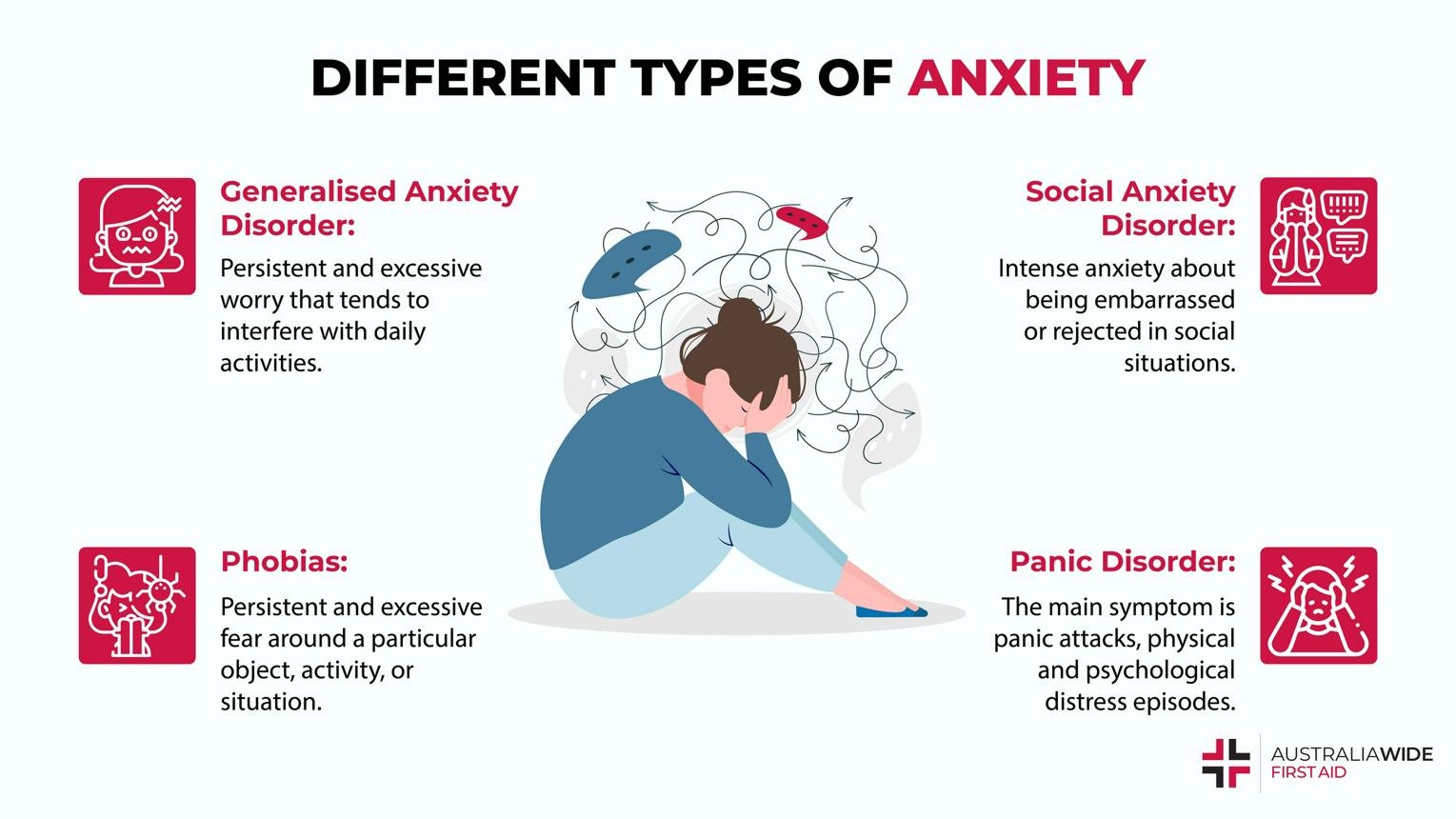
Common types include generalised anxiety disorder, panic disorder, social anxiety disorder and specific phobias.
Symptoms may include excessive worrying, restlessness, rapid heartbeat and difficulty sleeping.
Anxiety disorders are treatable through psychological therapies, medication and appropriate support.
Early recognition and professional intervention can improve outcomes.
What Are Anxiety Disorders?
Anxiety disorders are a group of mental health conditions characterised by excessive fear, worry and anxiety that can be difficult to control. These feelings may occur even when there is no immediate danger or obvious reason to feel threatened.
Unlike normal anxiety, which is usually temporary and connected to a particular situation, anxiety disorders can persist for extended periods and significantly affect an individual’s ability to function.
According to the WHO’s explanation of anxiety disorders, these conditions involve excessive fear and worry, often accompanied by physical tension and behavioural and cognitive symptoms.
Anxiety disorders can affect children, adolescents and adults. Symptoms may vary depending on the type of disorder, the individual’s circumstances and the severity of the condition.
It is important to understand that anxiety disorders are not a sign of weakness, lack of discipline or inability to cope with life. They are recognised mental health conditions that can be assessed and treated.
What Are the Different Types of Anxiety Disorders?
Anxiety disorders are not a single condition. They include different disorders with distinct symptoms, triggers and patterns of behaviour.
Some commonly recognised types include:
Generalised Anxiety Disorder (GAD)
Generalised Anxiety Disorder is characterised by excessive, persistent and difficult-to-control worry about different aspects of everyday life.
A person with GAD may constantly worry about their health, finances, employment, family, relationships, children’s safety or future events, even when there is little reason to expect something bad to happen.
For example, someone may spend hours worrying about losing their job, becoming seriously ill or experiencing financial difficulties, despite having no immediate evidence that these situations are likely to occur.
Common symptoms include:
Persistent and excessive worrying.
Restlessness and feeling constantly on edge.
Difficulty concentrating.
Irritability.
Muscle tension.
Fatigue.
Difficulty sleeping.
The worry associated with GAD can become overwhelming and interfere with daily responsibilities, relationships and general well-being.
Read more from the NHS guide to Generalised Anxiety Disorder.
Panic Disorder
Panic disorder is characterised by recurrent, unexpected panic attacks and persistent concern about experiencing further attacks or their consequences.
A panic attack is an intense episode of fear or discomfort that develops suddenly and may occur even when there is no immediate danger.
Symptoms may include:
Sudden intense fear.
Rapid or pounding heartbeat.
Sweating.
Trembling or shaking.
Shortness of breath.
Chest discomfort.
Dizziness.
Feeling detached from oneself or one’s surroundings.
Fear of losing control or dying.
Because some panic attack symptoms resemble those of serious physical health conditions, including heart problems, a medical assessment may be necessary, particularly when symptoms are new or unexplained.
People with panic disorder may begin avoiding places or activities where they fear another attack could occur.
The NHS guide to panic disorder provides further information about symptoms, diagnosis and treatment.
Social Anxiety Disorder
Social anxiety disorder, sometimes called social phobia, involves an intense and persistent fear of being judged, embarrassed, humiliated or negatively evaluated by other people.
A person experiencing social anxiety may feel extremely uncomfortable when speaking in public, meeting unfamiliar people, attending social gatherings or performing activities in front of others.
For example, a student may avoid answering questions in class because of the fear of giving a wrong answer and being laughed at. Similarly, an employee may avoid making presentations or contributing during workplace meetings because of the fear of criticism.
Common symptoms include:
Excessive fear of social situations.
Avoiding public speaking or social gatherings.
Sweating and trembling around other people.
Difficulty maintaining eye contact.
Fear of embarrassment.
Excessive self-consciousness.
Worrying for days before a social event.
Social anxiety can affect education, employment, relationships and opportunities for personal development.
Specific Phobias
A specific phobia involves an intense and persistent fear of a particular object, situation or activity that presents little or no actual danger.
Examples include:
Arachnophobia: Fear of spiders.
Acrophobia: Fear of heights.
Claustrophobia: Fear of enclosed or confined spaces.
Aerophobia: Fear of flying.
Trypanophobia: Fear of injections or needles.
Cynophobia: Fear of dogs.
A person with a specific phobia may experience intense anxiety when exposed to the feared object or situation, leading them to avoid it altogether.
Although avoiding the feared situation may provide temporary relief, it can reinforce the fear and interfere with everyday activities.
Separation Anxiety Disorder
Separation anxiety disorder involves excessive fear or anxiety about being separated from someone to whom an individual has a strong emotional attachment.
It is commonly associated with childhood, but it can also occur in adolescents and adults.
In children, it may involve excessive distress when separated from parents or caregivers, refusal to attend school, nightmares about separation or persistent fear that something bad will happen to loved ones.
In adults, it may involve excessive worry about losing a spouse, partner, child or another important attachment figure.
Agoraphobia
Agoraphobia involves intense fear or anxiety about situations where escaping might be difficult or where help might not be readily available if panic-like or other incapacitating symptoms occur.
A person may fear or avoid situations such as:
Using public transport.
Being in crowded places.
Standing in queues.
Being outside the home alone.
Being in open or enclosed spaces.
Severe agoraphobia may make it difficult for an individual to leave home or participate in normal daily activities.
Note: The classification of anxiety disorders varies between diagnostic systems. These examples provide general health education rather than a complete diagnostic classification.
For a broader overview of recognised anxiety disorders, visit the National Institute of Mental Health (NIMH).
What Causes Anxiety Disorders?
There is no single cause of anxiety disorders. Research suggests that they develop through a complex interaction of biological, psychological, social and environmental factors.
Different factors may increase an individual’s vulnerability to anxiety disorders, although experiencing one or more of these factors does not automatically mean someone will develop the condition.
Genetic and Family History
Genetics may contribute to an individual’s susceptibility to anxiety disorders.
People with a family history of anxiety disorders or other mental health conditions may have an increased risk of developing similar difficulties.
However, genetic predisposition does not mean that anxiety disorders are inevitable. Environmental experiences and other factors also play important roles.
Brain Chemistry and Functioning
The brain plays an important role in processing emotions, detecting threats and regulating fear responses.
Differences in the functioning of brain networks involved in fear and anxiety may contribute to anxiety disorders.
Neurotransmitters, which are chemical messengers involved in communication between nerve cells, also participate in the regulation of mood and anxiety.
Traumatic Experiences
Exposure to traumatic or highly stressful experiences may increase the risk of developing anxiety disorders.
Examples include:
Childhood abuse or neglect.
Domestic violence.
Sexual assault.
Serious accidents.
Loss of a loved one.
Exposure to war or community violence.
Natural disasters.
Traumatic experiences can affect how individuals perceive threats and respond to situations they consider unsafe.
Prolonged Stress
Long-term exposure to stressful situations can contribute to anxiety symptoms.
Examples include financial difficulties, unemployment, workplace pressure, marital conflict, caregiving responsibilities and uncertainty about the future.
For instance, an individual experiencing prolonged financial hardship may constantly worry about paying rent, feeding their family or meeting other responsibilities.
When these worries become persistent, excessive and difficult to control, professional assessment may be helpful.
The NHS guidance on anxiety, fear and panic discusses common life circumstances that can contribute to anxiety, including work, family, financial and health difficulties.
Physical Health Conditions
Certain physical health conditions can cause symptoms that resemble anxiety or contribute to anxiety-related difficulties.
These may include thyroid disorders, heart rhythm disturbances, respiratory conditions and other medical problems.
Some medications and substances can also contribute to anxiety symptoms.
This is why healthcare professionals may need to assess both physical and mental health when investigating unexplained anxiety symptoms.
Substance Use
Alcohol, recreational drugs and excessive caffeine consumption can contribute to or worsen anxiety symptoms in some individuals.
Although some people use alcohol or other substances in an attempt to relax or manage emotional distress, these substances may worsen anxiety over time.
Environmental and Social Circumstances
A person’s living conditions and social environment can influence their mental well-being.
Factors such as poverty, insecurity, discrimination, social isolation, poor housing and limited access to healthcare may contribute to psychological distress.
These factors highlight the importance of addressing the wider social determinants of mental health rather than viewing anxiety only as an individual problem.
What Are the Signs and Symptoms of Anxiety Disorders?
Anxiety disorders can affect people differently. Some individuals experience predominantly emotional and psychological symptoms, while others experience noticeable physical symptoms.
Symptoms can be grouped into four broad categories.
Emotional Symptoms
These involve changes in how a person feels and responds emotionally.
Examples include:
Persistent fear and worry.
Feeling nervous or frightened.
Irritability.
Feeling overwhelmed.
A sense of impending danger.
Difficulty relaxing.
Psychological and Cognitive Symptoms
These affect thinking, concentration and perception.
Examples include:
Racing thoughts.
Excessive worrying.
Difficulty concentrating.
Expecting the worst to happen.
Difficulty making decisions.
Fear of losing control.
Persistent negative thoughts.
Physical Symptoms
Anxiety can activate the body’s stress response, producing physical symptoms such as:
Increased heart rate.
Sweating.
Trembling.
Muscle tension.
Dizziness.
Headaches.
Stomach discomfort.
Shortness of breath.
Fatigue.
Sleep disturbances.
Physical symptoms should not automatically be attributed to anxiety. New, severe or unexplained symptoms require appropriate medical assessment.
The NHS guide to anxiety, fear and panic explains how the body’s stress response can produce physical symptoms, including increased heart rate and sweating.
Behavioural and Social Symptoms
Anxiety may also influence how people behave and interact with others.
Examples include:
Avoiding social gatherings.
Withdrawing from friends and family.
Avoiding situations that trigger fear.
Repeatedly seeking reassurance.
Difficulty attending school or work.
Avoiding important responsibilities.
When these symptoms persist and significantly interfere with everyday functioning, it is important to seek professional advice.
How Are Anxiety Disorders Diagnosed?
Anxiety disorders cannot be accurately diagnosed through online quizzes or by simply identifying a few symptoms.
A qualified healthcare professional, such as a doctor, psychiatrist or appropriately trained mental health practitioner, can assess an individual’s symptoms and determine whether they meet the diagnostic criteria for an anxiety disorder.
The assessment may involve:
Medical and Personal History
The healthcare professional may ask about:
Current symptoms and when they started.
Frequency and severity of anxiety.
Previous mental health difficulties.
Family history of mental health conditions.
Recent stressful or traumatic experiences.
Physical health conditions.
Medications, alcohol and substance use.
Psychological Assessment
The healthcare professional may explore the individual’s thoughts, feelings, behaviours and how anxiety affects everyday life.
Standardised screening questionnaires, such as the Generalised Anxiety Disorder Assessment (GAD-7), may help assess symptoms, but they do not independently establish a diagnosis.
Physical Examination and Investigations
Depending on the symptoms, a doctor may conduct a physical examination or request investigations to rule out medical conditions that can cause similar symptoms.
The assessment should consider the individual’s overall health, personal circumstances and level of functional impairment.
The NICE clinical guideline on generalised anxiety disorder and panic disorder provides recommendations for assessment and management.
How Are Anxiety Disorders Treated?
Anxiety disorders are treatable. The appropriate treatment depends on the type of anxiety disorder, severity of symptoms, individual circumstances and response to previous treatment.
The World Health Organization’s guidance on anxiety disorders identifies psychological interventions and medication as important evidence-based treatment options.
Cognitive Behavioural Therapy (CBT)
Cognitive Behavioural Therapy is one of the established psychological treatments for anxiety disorders.
CBT helps individuals understand how their thoughts, emotions and behaviours influence one another.
For example, someone who constantly worries about making mistakes may begin to believe that every small mistake will lead to serious consequences. CBT helps the individual identify these unhelpful thinking patterns, examine the evidence behind them and develop healthier ways of responding.
CBT may involve:
Identifying negative thinking patterns.
Challenging unrealistic fears.
Developing practical problem-solving skills.
Learning relaxation techniques.
Gradually confronting feared situations through appropriate exposure exercises.
CBT should be delivered by appropriately trained practitioners.
Learn more about Cognitive Behavioural Therapy (CBT) through the NHS.
Counselling and Other Psychological Therapies
Counselling and other forms of psychological support can help individuals explore emotional difficulties, understand their experiences and develop healthier coping strategies.
Depending on the condition, treatment may involve individual therapy, group therapy or structured psychological interventions.
Talking therapies can be delivered face-to-face, online or through other appropriate formats.
Medication
Medication may be recommended when symptoms are persistent, severe or significantly affecting everyday functioning.
Some medications used in treating anxiety disorders include:
Selective Serotonin Reuptake Inhibitors (SSRIs).
Serotonin-Noradrenaline Reuptake Inhibitors (SNRIs).
Other medicines in selected circumstances, depending on the diagnosis and clinical assessment.
SSRIs and SNRIs are commonly used antidepressant medicines that can also help manage certain anxiety disorders. Their use does not mean that a person has depression.
Medication should only be prescribed and monitored by a qualified healthcare professional. Individuals should not start, change or stop prescribed medication without appropriate medical advice.
Benzodiazepines are generally not recommended for routine long-term treatment because of risks including dependence and limited long-term benefits.
Lifestyle and Supportive Interventions
Lifestyle changes can complement professional treatment and support recovery.
These may include:
Regular physical activity.
Adequate sleep.
Balanced nutrition.
Relaxation and breathing exercises.
Mindfulness practices.
Reducing excessive caffeine consumption.
Avoiding alcohol and recreational drugs.
Maintaining supportive relationships.
Lifestyle changes should not replace professional treatment when an anxiety disorder has been diagnosed.
How Can You Manage and Reduce Anxiety in Everyday Life?
Although everyday anxiety and anxiety disorders are not the same, developing healthy coping habits can support emotional and psychological well-being.
Here are practical strategies that may help.
Identify Your Anxiety Triggers
Try to understand the situations, thoughts or experiences that make you feel anxious.
For example, anxiety may increase when dealing with financial responsibilities, workplace pressure, relationship difficulties or uncertainty about the future.
Keeping a journal can help you identify recurring patterns and understand how you respond to stressful situations.
Practise Deep Breathing and Relaxation
Slow breathing and relaxation techniques may help reduce physical tension and support emotional regulation.
Try breathing gently through your nose and slowly breathing out. Avoid forcing or holding your breath if this makes you uncomfortable.
Other relaxation techniques include mindfulness, meditation and progressive muscle relaxation.
Engage in Regular Physical Activity
Physical activity can support mental well-being and help reduce stress.
Consider activities such as:
Walking.
Jogging.
Dancing.
Swimming.
Cycling.
Yoga.
Start with manageable activities and gradually increase your level of movement.
Maintain a Healthy Sleep Routine
Poor sleep can make it more difficult to manage stress and emotional challenges.
Try to:
Maintain regular sleeping and waking times.
Reduce screen exposure before bedtime.
Avoid excessive caffeine, particularly later in the day.
Create a comfortable sleeping environment.
Develop a relaxing bedtime routine.
Limit Caffeine and Alcohol
Excessive caffeine may increase nervousness, restlessness and palpitations in some people.
Alcohol may temporarily make some individuals feel relaxed, but it can worsen anxiety and disrupt sleep.
Reducing or avoiding these substances may help improve overall well-being.
Talk to Someone You Trust
Keeping worries to yourself can sometimes make emotional distress more difficult to manage.
Talking to a trusted friend, family member, counsellor or healthcare professional can provide emotional support and help you explore possible solutions.
Remember that asking for help is not a sign of weakness.
Avoid Excessive Worrying About Things Beyond Your Control
It is natural to worry about the future, but constantly focusing on situations you cannot control can increase psychological distress.
Try distinguishing between problems you can take practical steps to address and circumstances you cannot change.
Focus your energy on manageable actions rather than repeatedly imagining the worst possible outcome.
Seek Professional Support When Necessary
Self-help strategies can be useful, but they may not be sufficient for people experiencing an anxiety disorder.
If anxiety is persistent, overwhelming or affecting your relationships, work, education or everyday activities, seek professional assessment.
The WHO self-care recommendations for anxiety include regular exercise, healthy sleeping and eating habits, relaxation and mindfulness.
How Do Anxiety Disorders Affect Overall Health and Well-being?
Anxiety disorders can affect more than a person’s emotional state. They can influence several interconnected dimensions of health, including physical, psychological, emotional and social well-being.
This is particularly important when considering the four components of mental health discussed in our pillar article, What Is Mental Health?
Emotional Well-being
Persistent anxiety can make it difficult to regulate emotions.
Individuals may experience excessive fear, frustration, irritability, emotional exhaustion and difficulty relaxing.
Physical Well-being
Anxiety can trigger physical stress responses, including increased heart rate, muscle tension, sweating, headaches and sleep disturbances.
Persistent anxiety may also affect healthy lifestyle behaviours and contribute to difficulties managing existing physical health conditions.
Social Well-being
People experiencing anxiety disorders may withdraw from social activities, avoid relationships or struggle to participate in work, school and community activities.
Social anxiety, for example, can make ordinary interactions and public gatherings extremely distressing.
These effects demonstrate why anxiety disorders should be recognised and managed as important public health concerns.
How Can Anxiety Disorders Be Prevented?
There is no guaranteed way to prevent every anxiety disorder because several biological, psychological and environmental factors contribute to their development.
However, certain interventions can help reduce risk, strengthen resilience and promote mental well-being.
Some important approaches include:
Promoting positive mental health from childhood.
Creating supportive family environments.
Encouraging healthy parent-child relationships.
Addressing bullying and childhood trauma.
Promoting emotional and social learning in schools.
Improving access to mental health services.
Encouraging physical activity and healthy lifestyles.
Reducing stigma and discrimination.
Providing support for individuals experiencing stressful life circumstances.
The WHO’s recommendations on anxiety prevention highlight parental education, school-based social and emotional learning programmes and physical activity as useful preventive approaches.
When Should You Seek Professional Help?
Not every experience of anxiety requires medical treatment. However, it is important to recognise when anxiety goes beyond normal everyday worry.
Consider seeking professional support when:
You experience persistent and excessive worry that is difficult to control.
Anxiety interferes with your work, education or family responsibilities.
You regularly avoid social situations because of fear.
You experience repeated panic attacks.
You have persistent sleep disturbances related to anxiety.
Physical symptoms are affecting your daily activities.
Self-help strategies are not improving your situation.
In the UK, you can contact your GP for an assessment or refer yourself to NHS Talking Therapies for anxiety support, depending on eligibility and local availability.
If you experience a mental health crisis, thoughts of suicide or an immediate risk of self-harm, seek urgent help. Call 999 or go to A&E if you or someone else is in immediate danger.
In Nigeria, you can approach a qualified doctor, psychiatrist or clinical psychologist for assessment and appropriate care.
Early identification and appropriate treatment can make a significant difference. You do not have to wait until anxiety becomes overwhelming before seeking help.
Conclusion
Anxiety is a normal human emotion, but when fear, worry and nervousness become persistent, excessive and difficult to control, they may indicate an anxiety disorder.
Anxiety disorders are among the most common mental health conditions worldwide and can affect people of different ages, backgrounds and circumstances. They can interfere with emotional, psychological, physical and social well-being, making it difficult for individuals to maintain relationships, work, study and participate in everyday activities.
However, anxiety disorders are treatable. Through early identification, appropriate psychological interventions, medication when necessary, healthy lifestyle practices and supportive relationships, individuals can learn to manage their symptoms and improve their quality of life.
As individuals, families and communities, we must create environments where people feel comfortable discussing their mental health challenges without fear of judgement or discrimination.
We must also understand that telling someone to stop worrying or simply be strong is not a substitute for professional mental health support.
Remember: Anxiety disorders are health conditions, not personal weaknesses. Seeking help is a positive step towards better mental health and overall well-being.
Frequently Asked Questions (FAQs)
What is an anxiety disorder?
An anxiety disorder is a mental health condition characterised by excessive fear, worry or anxiety that is difficult to control and interferes with everyday functioning.
What is the difference between normal anxiety and an anxiety disorder?
Normal anxiety is usually temporary and associated with a particular stressful situation. An anxiety disorder involves excessive or persistent anxiety that causes significant distress or interferes with daily life.
What are five common symptoms of anxiety disorders?
Common symptoms include excessive worrying, restlessness, difficulty concentrating, rapid heartbeat and difficulty sleeping. Other symptoms may include sweating, trembling and muscle tension.
What are the most common types of anxiety disorders?
They include generalised anxiety disorder, panic disorder, social anxiety disorder, specific phobias, separation anxiety disorder and agoraphobia.
References
World Health Organization (2026). Anxiety Disorders. 15 September 2026.
National Health Service (NHS). Generalised Anxiety Disorder (GAD).
National Health Service (NHS). Panic Disorder.
National Health Service (NHS). Get Help with Anxiety, Fear or Panic.
National Institute of Mental Health (NIMH). Anxiety Disorders.
National Institute for Health and Care Excellence (NICE). Generalised Anxiety Disorder and Panic Disorder in Adults: Management (CG113).
National Health Service (NHS). Cognitive Behavioural Therapy (CBT).
World Health Organization (WHO). Brief Structured Psychological Interventions for Anxiety.

Vivian Okpala is a Public Health Educator and Founder of VeeVee Health. She creates evidence-based health content focused on blood sugar control, blood pressure management, weight management, and preventive health, with a strong emphasis on culturally relevant nutrition and lifestyle guidance.
Related
Discover more from Veevee Health
Subscribe to get the latest posts sent to your email.