
What Is Mental Health? Understanding Its Importance, Influencing Factors and How to Maintain Good Mental Health

mental health

Key takeaways

  • Mental health is an essential part of overall health and well-being.

  • It affects how we think, feel, behave and relate to others.

  • Everyone has mental health, whether or not they have a mental health condition.

  • Biological, psychological, social and environmental factors influence mental health.

  • Mental health conditions are treatable, and seeking help is a sign of strength.

  • Healthy lifestyle habits and supportive relationships can promote mental well-being.

Mental health is an essential part of our overall health and well-being. It influences how we think, feel, behave, relate to other people and respond to the different challenges we encounter throughout life. Just as we pay attention to our physical health, taking care of our mental health is equally important.

The World Health Organization (WHO) defines mental health as a state of mental well-being that enables individuals to cope with the stresses of life, realise their abilities, learn and work well, and contribute to their communities (WHO, 2026).

Mental health is not simply about the absence of mental illness. It also involves emotional stability, psychological well-being, healthy relationships and the ability to function in everyday life.

Unfortunately, mental health is still misunderstood in many communities. In some African societies, including Nigeria, people experiencing mental health difficulties may face stigma, discrimination, judgement and misconceptions. Some may be told to pray harder, exercise more self-control or simply stop worrying, rather than being encouraged to seek appropriate professional support.

Although faith, family support and community connections can provide comfort, mental health conditions should also be recognised as health concerns that may require professional assessment and treatment.

Understanding mental health is the first step towards promoting healthier individuals, families and communities.

Mental health and emotional wellbeing – African woman taking time to care for her mental health.

What exactly is mental health?

Mental health refers to our emotional, psychological and social well-being. It determines how we think, feel and act, and influences how we handle stress, make decisions and interact with others.

According to the WHO, mental health is a fundamental component of health and exists on a continuum. This means that a person’s mental well-being can change throughout life depending on their experiences, circumstances and available support (WHO, 2026).

For example, a person may experience periods of happiness, confidence and emotional stability but may also experience sadness, anxiety, grief, frustration or stress when faced with difficult circumstances.

Experiencing these emotions does not automatically mean someone has a mental health disorder. However, when emotional or psychological difficulties become persistent, overwhelming or begin to interfere with daily functioning, professional support may be necessary.

Mental health influences several aspects of our everyday lives, including:

  • Thinking and decision-making: Our ability to concentrate, learn, solve problems and make informed decisions.

  • Emotional well-being: How we understand, express and manage our emotions.

  • Relationships: How we communicate, build trust and maintain healthy relationships.

  • Stress management: How we respond to pressure, disappointment, uncertainty and unexpected situations.

  • Daily functioning: Our ability to work, study, care for ourselves and participate in community activities.

Mental health is therefore not an issue that concerns only people diagnosed with mental illness. It is relevant to everyone, regardless of age, gender, occupation, background or socioeconomic status.

Why is mental health important?

Mental health plays an important role in maintaining a healthy and productive life. It influences our physical health, relationships, productivity and general quality of life.

The importance of mental health can be understood in several ways.

Why is mental health important

It supports emotional well-being

Good mental health helps individuals recognise, understand and manage their emotions. It allows people to respond more effectively to difficult experiences without becoming completely overwhelmed by them.

It does not mean being happy all the time. Rather, it involves developing healthy ways to cope with different emotions and life experiences.

It improves relationships

Our mental well-being influences how we communicate, interact and relate to others.

When individuals have good mental health, they may find it easier to express their feelings, resolve disagreements, establish boundaries and maintain meaningful relationships with family members, friends and colleagues.

It supports productivity and performance

Mental health affects concentration, memory, motivation, decision-making and problem-solving.

Poor mental health can make it difficult to concentrate at work, complete school assignments, manage responsibilities or maintain productivity.

The WHO recognises mental health as an important factor in people’s ability to learn, work and contribute to society (WHO, 2026).

It contributes to physical health

Mental and physical health are closely connected. Prolonged psychological distress can affect sleep, appetite, energy levels and everyday health behaviours.

Some people experiencing mental health difficulties may also find it harder to maintain healthy eating habits, exercise regularly or manage existing physical health conditions.

This is why healthcare should consider the whole person rather than treating physical and mental health as completely separate issues.

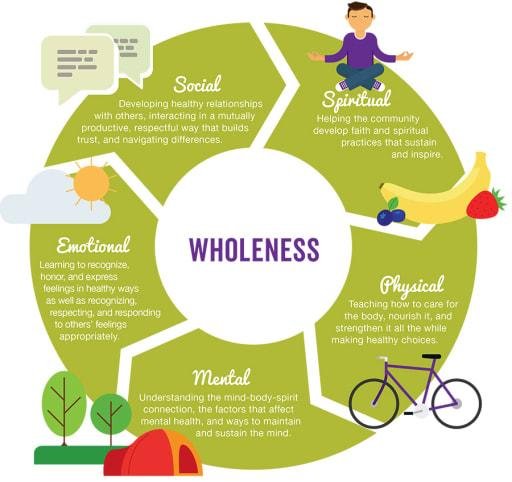
The Four Components of Mental Health

Mental health is multidimensional. It encompasses different aspects of human well-being that interact and influence one another. For a broader understanding of mental health, we can examine four interconnected components: emotional, social, physical and psychological well-being.

Components of Mental Health

1. Emotional well-being

Emotional well-being refers to the ability to recognise, understand, express and manage emotions appropriately.

It involves developing healthy ways to cope with happiness, sadness, anger, fear, disappointment, grief and other emotional experiences.

A person with good emotional well-being is not necessarily happy all the time but can recognise emotions and develop appropriate coping strategies.

2. Social well-being

Social well-being refers to the ability to establish and maintain healthy relationships, interact positively with others and develop a sense of belonging within families and communities.

It includes:

  • Maintaining healthy family relationships.

  • Building meaningful friendships.

  • Communicating effectively.

  • Developing supportive social networks.

  • Participating in community activities.

  • Respecting other people’s feelings and boundaries.

Social isolation, loneliness, discrimination and unhealthy relationships can negatively affect social well-being.

3. Physical well-being

Physical well-being refers to maintaining a healthy body through appropriate nutrition, physical activity, adequate sleep, personal hygiene and access to healthcare.

Physical and mental health are closely connected. Poor physical health, chronic illnesses, sleep disturbances and prolonged physical discomfort can affect emotional and psychological well-being.

Similarly, prolonged psychological distress can influence physical health.

4. Psychological well-being

Psychological well-being concerns how individuals understand themselves, think, process information, make decisions and cope with life’s challenges.

It includes:

  • Positive self-esteem.

  • Self-awareness.

  • Healthy thinking patterns.

  • Problem-solving abilities.

  • Resilience.

  • Personal growth.

  • A sense of purpose and fulfilment.

Psychological well-being supports individuals in adapting to life experiences, managing challenges and developing a positive sense of self.

How the four components are interconnected

These four components do not function independently. They influence and support one another.

For example, someone experiencing prolonged unemployment may develop financial stress (psychological well-being), experience sadness and frustration (emotional well-being), withdraw from friends and family (social well-being), and experience sleep disturbances or physical exhaustion (physical well-being).

This demonstrates why mental health should be approached holistically rather than focusing on one aspect of a person’s life.

What are the different types of mental health conditions?

Mental health conditions cover a wide range of disorders and psychological difficulties that can affect a person's thoughts, emotions and behaviour. Some of the commonly recognised mental health conditions include:

Mental health conditions cover a wide range of disorders and psychological difficulties that can affect a person’s thoughts, emotions and behaviour.

Some of the commonly recognised mental health conditions include:

Depression is a mental health condition characterised by persistent low mood, sadness or loss of interest and pleasure in activities.

Other symptoms may include:

  • Persistent feelings of hopelessness or worthlessness.

  • Loss of interest in previously enjoyable activities.

  • Changes in appetite or body weight.

  • Difficulty sleeping or sleeping excessively.

  • Tiredness and reduced energy.

  • Difficulty concentrating.

  • Thoughts of death or suicide.

Depression is more than ordinary sadness. It can affect a person’s ability to work, study, maintain relationships and carry out everyday activities.

Anxiety involves feelings of fear, worry or nervousness. While occasional anxiety is a normal human response to stressful situations, anxiety disorders involve excessive or persistent anxiety that can interfere with daily life.

Common anxiety-related conditions include generalised anxiety disorder, panic disorder, social anxiety disorder and phobias.

Symptoms may include:

  • Excessive worrying.

  • Restlessness and irritability.

  • Rapid heartbeat.

  • Sweating and trembling.

  • Difficulty sleeping.

  • Difficulty concentrating.

  • Avoiding certain people, places or situations.

Bipolar disorder is a mental health condition characterised by episodes of significant changes in mood, energy and activity levels.

A person may experience periods of depression and episodes of mania or hypomania, depending on the type of bipolar disorder.

During manic episodes, a person may experience unusually elevated or irritable mood, increased energy, reduced need for sleep, rapid speech and impulsive behaviour.

Bipolar disorder is a medical condition that requires appropriate assessment and management.

PTSD can develop after a person experiences or witnesses a traumatic event.

Examples of traumatic experiences may include physical or sexual assault, serious accidents, violence, disasters or other life-threatening situations.

Symptoms may include:

  • Recurrent distressing memories or nightmares.

  • Flashbacks.

  • Avoidance of reminders of the traumatic event.

  • Feeling constantly alert or on edge.

  • Difficulty sleeping.

  • Emotional distress and fear.

Not everyone who experiences trauma develops PTSD. However, people experiencing persistent symptoms should be encouraged to seek professional support.

Schizophrenia

Schizophrenia is a serious mental health condition that can affect how a person thinks, perceives reality, expresses emotions and behaves.

Some symptoms may include:

  • Hallucinations, such as hearing voices that other people cannot hear.

  • Delusions, which are strongly held beliefs that are not supported by reality.

  • Disorganised thinking or speech.

  • Reduced motivation.

  • Social withdrawal.

Schizophrenia is a treatable condition, and appropriate medical care and psychosocial support can help people manage their symptoms.

Eating disorders

Eating disorders are serious mental health conditions involving disturbances in eating behaviours, food-related thoughts and attitudes towards body weight or shape.

Examples include anorexia nervosa, bulimia nervosa and binge-eating disorder.

They can affect people of different ages, genders and backgrounds and may have serious physical and psychological consequences.

Note: These conditions have different symptoms and diagnostic criteria. Experiencing one or two symptoms does not automatically mean someone has a mental health disorder. A qualified healthcare professional should carry out an appropriate assessment.

The NHS provides information about these and other mental health conditions, including symptoms, diagnosis and available treatments (NHS, n.d.).

Factors that influence mental health

Mental health is influenced by a combination of biological, psychological, social and environmental factors. These factors can either protect mental well-being or increase the risk of developing mental health difficulties. The WHO and the Centers for Disease Control and Prevention (CDC) recognise that mental health is shaped by circumstances at individual, family, community and societal levels (WHO, 2014; CDC, 2026). Some important influencing factors include:

Mental health is influenced by a combination of biological, psychological, social and environmental factors. These factors can either protect mental well-being or increase the risk of developing mental health difficulties.

The WHO and the Centers for Disease Control and Prevention (CDC) recognise that mental health is shaped by circumstances at individual, family, community and societal levels (WHO, 2014; CDC, 2026).

Some important influencing factors include:

Biological factors

Biological factors are associated with the body’s physical and genetic characteristics.

They include:

  • Genetic predisposition and family history.

  • Brain development and functioning.

  • Hormonal changes.

  • Chronic physical health conditions.

  • Neurological conditions.

For example, having a family history of certain mental health conditions may increase a person’s susceptibility, although it does not mean they will necessarily develop the same condition.

Psychological factors

Psychological factors relate to how individuals think, feel, interpret experiences and respond to challenges.

Examples include:

  • Low self-esteem.

  • Negative thinking patterns.

  • Childhood trauma.

  • Emotional difficulties.

  • Poor coping mechanisms.

  • Exposure to prolonged stress.

Unresolved traumatic experiences and persistent psychological distress may affect a person’s emotional well-being and increase their vulnerability to mental health difficulties.

Social factors

Our relationships and social circumstances play an important role in mental health.

These include:

  • Family relationships and support systems.

  • Marital and relationship difficulties.

  • Bullying and discrimination.

  • Social isolation and loneliness.

  • Unemployment and financial difficulties.

  • Workplace stress and conflicts.

  • Bereavement and loss.

    For instance, someone experiencing domestic violence, workplace bullying or prolonged financial hardship may experience significant psychological distress.

Environmental factors

The environment in which people live, work, learn and interact can influence their mental well-being.

Environmental factors include:

  • Poor housing conditions.

  • Poverty and economic inequality.

  • Exposure to violence and insecurity.

  • Unsafe communities.

  • Limited access to healthcare.

  • Displacement and forced migration.

  • Unhealthy working and learning environments.

These factors demonstrate why mental health should not be viewed entirely as an individual’s responsibility. Society, institutions, families and governments also have important roles to play in creating environments that support mental well-being.

Lifestyle factors

Everyday lifestyle habits can also influence mental health.

These include:

  • Inadequate sleep.

  • Poor nutrition.

  • Physical inactivity.

  • Excessive alcohol consumption.

  • Drug and substance misuse.

  • Limited social interaction.

  • Prolonged exposure to stressful situations.

Healthy lifestyle choices can support mental well-being, although they are not substitutes for professional treatment when someone has a mental health condition.

Signs that someone may be experiencing mental health difficulties

Signs that someone may be experiencing mental health difficulties

Mental health difficulties do not always present in the same way. Some people may openly express their struggles, while others may withdraw from social activities or try to hide their feelings.

Recognising possible warning signs can help individuals, families and communities identify when someone may need support.

Some signs to look out for include:

Emotional changes

  • Persistent sadness or irritability.

  • Excessive fear or worry.

  • Feelings of hopelessness.

  • Frequent mood changes.

  • Loss of interest in previously enjoyable activities.

Behavioural changes

  • Withdrawing from family and friends.

  • Avoiding social activities.

  • Increased alcohol or drug use.

  • Unusual changes in behaviour.

  • Neglecting personal hygiene or daily responsibilities.

Physical changes

  • Persistent tiredness.

  • Changes in appetite.

  • Difficulty sleeping or sleeping excessively.

  • Unexplained physical complaints.

  • Reduced energy.

Cognitive changes

  • Difficulty concentrating.

  • Forgetfulness.

  • Persistent negative thoughts.

  • Difficulty making decisions.

  • Confused or disorganised thinking.

These signs do not necessarily indicate a mental health disorder. However, when they persist, become severe or interfere with everyday life, it is important to seek professional advice.

Thoughts of suicide or self-harm should always be taken seriously and require prompt support.

How can we maintain good mental health?

How can we maintain good mental health?

Maintaining good mental health requires a combination of healthy lifestyle practices, supportive relationships, effective stress management and access to appropriate healthcare.

Although we cannot control every situation that affects our mental well-being, there are practical steps we can take to promote and protect it.

Maintain healthy relationships

Strong social connections can provide emotional support, encouragement and a sense of belonging.

Make time for family, friends and people you trust. Do not isolate yourself when going through difficult experiences.

Talking to someone who listens without judging can make it easier to process emotions and seek help.

Engage in regular physical activity

Physical activity supports both physical and mental well-being.

Activities such as walking, jogging, dancing, swimming, cycling and skipping can help improve mood, support sleep and reduce stress.

You do not necessarily need an expensive gym membership. Regular walking, household activities and other forms of movement can contribute to a healthier lifestyle.

Eat a balanced diet

Nutrition is important for overall health, including brain function.

Include a variety of:

  • Fruits and vegetables.

  • Whole grains and fibre-rich foods.

  • Beans, lentils and other legumes.

  • Fish, eggs and other healthy protein sources.

  • Nuts and seeds.

  • Adequate water.

For Nigerian households, healthy food choices can include beans, vegetables, fish, moi-moi, unrefined whole grains and balanced portions of traditional meals.

No single food can prevent or cure mental health conditions, but a balanced diet supports general health.

Get adequate sleep

Sleep plays an important role in emotional regulation, concentration and memory.

Establish a consistent sleeping routine, reduce excessive screen exposure before bedtime and create a comfortable sleeping environment.

Persistent sleep difficulties should be discussed with a healthcare professional, particularly when they affect daily functioning.

Learn healthy stress management techniques

Stress is part of everyday life, but prolonged or poorly managed stress can affect mental well-being.

Healthy coping strategies include:

  • Deep breathing exercises.

  • Mindfulness and relaxation.

  • Prayer or spiritual practices, if meaningful to you.

  • Spending time outdoors.

  • Listening to music.

  • Journaling.

  • Taking breaks from overwhelming activities.

It is also important to recognise situations that are beyond your control and seek appropriate support when necessary.

Develop healthy boundaries

Learning to say no, protecting your personal time and recognising unhealthy relationships can help reduce unnecessary emotional pressure.

You do not have to accept every responsibility or meet every expectation placed on you by others.

Healthy boundaries can support better relationships and emotional well-being.

Seek professional help when necessary

If emotional or psychological difficulties persist, become overwhelming or interfere with daily activities, speak to a qualified healthcare professional.

Depending on individual needs, support may involve counselling, psychotherapy, medication, community mental health services or a combination of treatments.

Seeking help early can make a meaningful difference.

Mental health awareness in African communities: Breaking the stigma

Mental health awareness is particularly important in communities where misconceptions, cultural beliefs and stigma may prevent people from seeking appropriate care. In some African communities, mental health conditions are wrongly associated with spiritual attacks, curses, family problems or personal weakness. Although religious and cultural beliefs are important to many individuals, they should not prevent people from accessing appropriate medical and psychological support. A person experiencing depression, anxiety, PTSD or another mental health condition deserves compassion, understanding and evidence-based care, not ridicule or discrimination. In Nigeria, challenges such as poverty, unemployment, insecurity, domestic violence, substance misuse and limited access to mental healthcare can further affect people's psychological well-being. We need to encourage open conversations about mental health in our homes, schools, workplaces, churches, mosques and communities. Families should learn to recognise possible warning signs, listen without judgement and support individuals in accessing professional care. Governments and healthcare institutions also have a responsibility to improve access to affordable, accessible and quality mental health services. Mental illness is not a moral failure, and seeking professional help is not a sign of weakness.

Mental health awareness is particularly important in communities where misconceptions, cultural beliefs and stigma may prevent people from seeking appropriate care.

In some African communities, mental health conditions are wrongly associated with spiritual attacks, curses, family problems or personal weakness.

Although religious and cultural beliefs are important to many individuals, they should not prevent people from accessing appropriate medical and psychological support.

A person experiencing depression, anxiety, PTSD or another mental health condition deserves compassion, understanding and evidence-based care, not ridicule or discrimination.

In Nigeria, challenges such as poverty, unemployment, insecurity, domestic violence, substance misuse and limited access to mental healthcare can further affect people’s psychological well-being.

We need to encourage open conversations about mental health in our homes, schools, workplaces, churches, mosques and communities.

Families should learn to recognise possible warning signs, listen without judgement and support individuals in accessing professional care.

Governments and healthcare institutions also have a responsibility to improve access to affordable, accessible and quality mental health services.

Mental illness is not a moral failure, and seeking professional help is not a sign of weakness.

When should you seek professional mental health support?

It is important to seek professional support when emotional, psychological or behavioural changes:

  • Persist for an extended period.

  • Affect your ability to work, study or perform everyday activities.

  • Interfere with relationships.

  • Cause significant distress.

  • Lead to social withdrawal.

  • Result in harmful coping behaviours.

  • Make it difficult to care for yourself.

You do not need to wait until your situation becomes severe before asking for help.

In the UK, you can start by contacting your GP or accessing NHS Talking Therapies where eligible. The NHS also provides information about mental health services and urgent support.

If you or someone else is in immediate danger, or there is an immediate risk of suicide or serious self-harm, seek emergency assistance. In the UK, call 999 or go to A&E.

For people in Nigeria, a qualified doctor, psychiatrist, clinical psychologist or recognised mental health service can provide assessment and appropriate support.

Conclusion

Mental health is an essential part of our overall health, and it deserves the same attention we give to our physical well-being.

It influences how we think, feel, behave, relate to others and cope with life’s challenges. While biological, psychological, social and environmental factors can influence our mental health, there are practical ways to promote well-being and reduce the impact of some risk factors.

We must also recognise that mental health conditions are not a sign of weakness, a lack of faith or a personal failure. They are health conditions that deserve understanding, appropriate care and professional attention.

As individuals, families and communities, we all have a role to play in promoting mental health awareness, challenging stigma and creating supportive environments where people feel safe to speak about their struggles.

Remember: You do not have to be mentally unwell to start taking care of your mental health. Your mental health matters every day.

Frequently asked questions (FAQs)

What is mental health in simple terms?

Mental health refers to our emotional, psychological and social well-being. It affects how we think, feel, behave, make decisions and interact with others.

Is mental health the same as mental illness?

No. Mental health is a part of everyone’s overall health, while mental illness refers to specific health conditions that can affect thoughts, emotions, behaviour and daily functioning.

Can someone have poor mental health without having a mental illness?

Yes. A person may experience stress, grief, emotional exhaustion or temporary psychological distress without having a diagnosable mental health condition.

What are the five common signs of poor mental health?

Common signs include persistent sadness, excessive worrying, social withdrawal, changes in sleeping patterns and difficulty concentrating. These signs should be considered in context and assessed when necessary.

Can mental health improve?

Yes. Mental health can improve through appropriate treatment, psychological support, healthy lifestyle practices, supportive relationships and positive changes in one’s environment.

Why is mental health awareness important?

Mental health awareness helps people recognise symptoms, understand available treatments, challenge stigma and encourage individuals to seek help when necessary.

References

The following sources support the health information presented in this article.

1. World Health Organization (2026). Mental health: Strengthening our response. Available at: https://www.who.int/news-room/fact-sheets/detail/mental-health-strengthening-our-response

2. World Health Organization (2014). Social determinants of mental health. Geneva: WHO. Available at: https://www.who.int/publications/i/item/9789241506809

3. Centers for Disease Control and Prevention (2026). About Mental Health. Available at: https://www.cdc.gov/mental-health/about/

4. National Health Service (NHS). Mental health conditions. Available at: https://www.nhs.uk/mental-health/conditions/

5. National Health Service (NHS). Mental health. Available at: https://www.nhs.uk/mental-health/

6. World Health Organization (2022). WHO guidelines on mental health at work. Geneva: WHO. Available at: https://www.who.int/publications/i/item/9789240053052

 
Men's mental health
Men's Mental Health in Nigeria: The Silent Struggles We Need to Talk About
Men’s mental health in Nigeria is an important public health issue that deserves greater attention....
Signs of Mental Health Problems
Early Warning Signs of Mental Health Problems: 10 Crucial Signs You Should Never Ignore
Mental health is an essential part of overall wellbeing. It influences how we think, feel, behave, relate...

Mental Health Stigma: 7 Powerful Ways to Break the Silence and Encourage Help-Seeking.
Mental Health Stigma: Why Are People Afraid to Seek Help?
Mental health is an essential part of overall health, yet discussing emotional distress and mental illness...

Mental Health Awareness
Mental Health Awareness: 10 Harmful Myths We Must Stop Believing
Mental health awareness has become an increasingly important public health issue. Conversations about...
Mental Health Literacy: 7 Powerful Reasons Everyone Should Understand Mental Health
Mental health is an essential part of overall health, yet it remains one of the most misunderstood areas...
Rapid Weight Loss
Rapid Weight Loss: 9 Hidden Health Risks of Slimming Products and Extreme Dieting
Rapid weight loss has become an increasingly visible trend, particularly on social media, where dramatic...

Eating Disorders
Eating Disorders: Warning Signs, Causes and Effective Prevention Strategies
Key Takeaways Eating disorders are serious mental health conditions involving unhealthy relationships...

Schizophrenia
Schizophrenia: 9 Important Facts, Warning Signs and Effective Treatment Options
Schizophrenia is a mental health condition that is often misunderstood, feared and surrounded by stigma....

Black African woman experiencing emotional distress associated with PTSD.
Post-Traumatic Stress Disorder (PTSD): Causes, Signs and Symptoms, Risk Factors, Diagnosis and Treatment
PTSD (Post-Traumatic Stress Disorder) is a mental health condition that can develop after a person experiences...
mental health consultation
Bipolar Disorder: Causes, Signs and Symptoms, Types, Diagnosis and Treatment
Key Takeaways Bipolar disorder is a mental health condition characterised by significant changes in...

Share this post

Discover more from Veevee Health

Subscribe to get the latest posts sent to your email.

Leave a Comment

Your email address will not be published. Required fields are marked *

Scroll to Top

Discover more from Veevee Health

Subscribe now to keep reading and get access to the full archive.

Continue reading